Overview
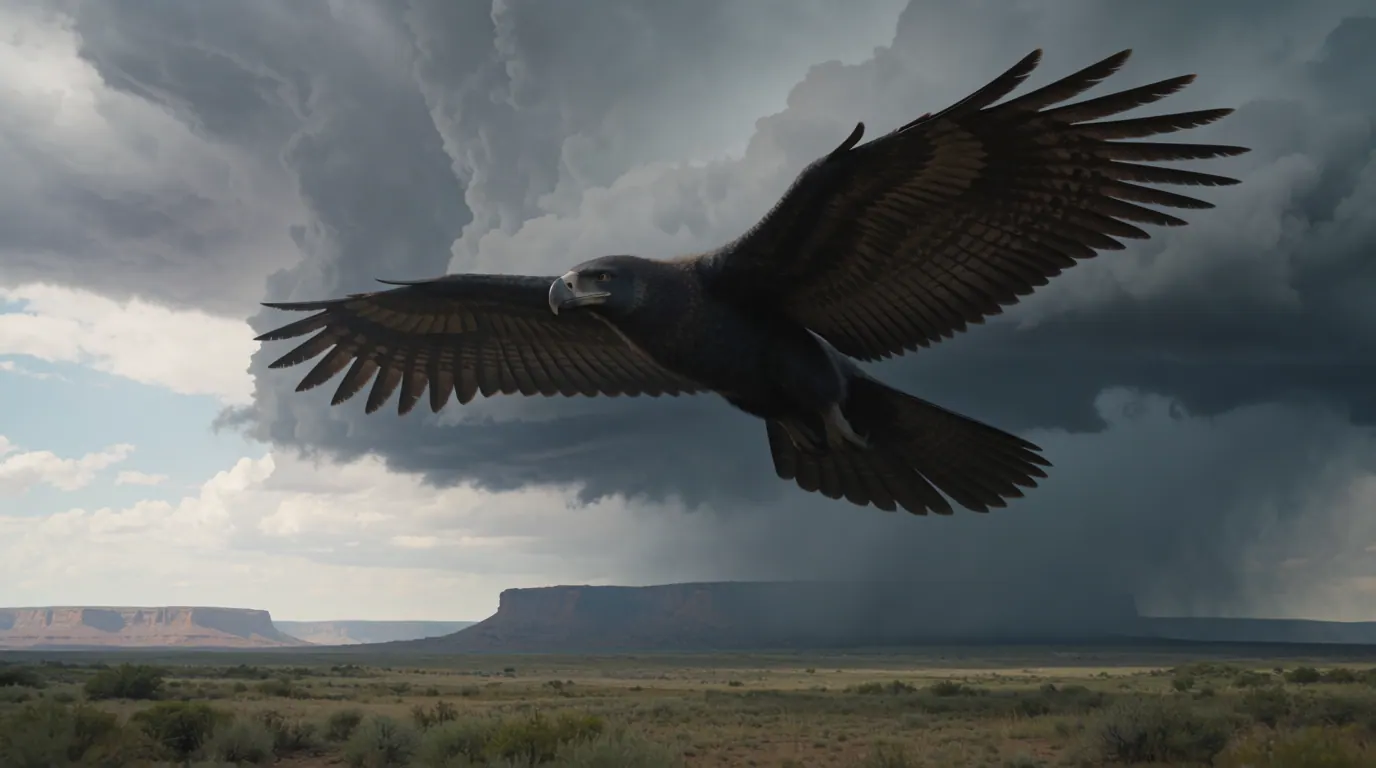
Thunderbird names a family of sacred giant birds across many Indigenous nations of North America - beings tied to storms, power, and ceremony from the Pacific Northwest to the Plains and Great Lakes. English cryptozoology later borrowed the word for airplane-sized raptor flaps and frontier “pterodactyl” yarns. Those layers are not the same: living religious teachings are not hunt targets, and settler newspaper monsters lack museum specimens.
Anthropologists and Native spokespeople repeatedly warn against flattening dozens of distinct traditions into one monster for listicles. Public ethnographies and encyclopedias describe thunder and lightning as the bird’s wingbeats and eye-flashes in some tellings, while other nations keep ceremonial detail closed.
For classical Mediterranean firebird symbolism rather than Indigenous storm beings, see Phoenix. For other oversized bird press scares, compare Owlman.
Origin of the legend
Oral traditions long predate English print. Franz Boas’s 1898 Tillamook text is one early ethnographic publication among hundreds of nation-specific stories. Canadian Encyclopedia and Audubon overviews stress that Ojibwe, Tlingit, Pawnee, and many other peoples keep different thunderbird roles - whale hunters, storm rulers, or spirit helpers - not a single cryptid dossier.
Settler pulp added thin layers: the 1890 Tombstone Epitaph flying-reptile yarn and the 25 July 1977 Lawndale, Illinois report that two huge birds briefly lifted ten-year-old Marlon Lowe. Ornithologists propose known large birds or exaggeration; no carcass closed either case.
Audubon’s ethnographic survey notes roughly five hundred Thunderbird references across anthropological documents - a reminder that the English label covers many nations, not one zoo specimen waiting in a freezer.
Similar beings
Sacred thunderbirds should not be collapsed into Phoenix rebirth allegory or Mothman newspaper flaps. Condors, eagles, and aircraft explain many modern “sky darkening” tips. Frontier pterosaur hoaxes are journalism history, not Indigenous ceremony.
In popular culture
Sports logos, comics, and cryptid TV recycle a generic giant eagle. Respectful coverage keeps ceremonial specifics with the nations that own them and treats Lawndale-style flaps as separate modern rumor.