Hubs
Topic lists that gather related files - cryptids, UFO cases, alien types, places, and more. Each hub is a map into the archive, not a second encyclopedia of the same subjects.
Anomalous Places
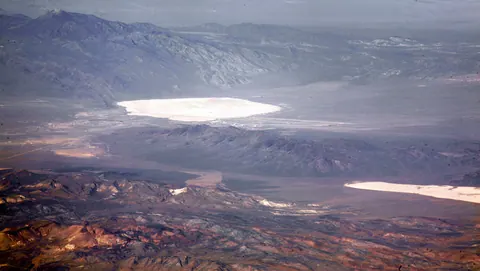
Anomalous places are real spots on the map that collected UFO, vortex, triangle, or secret-base legends - a Norwegian valley of floating lights, a Nevada airbase the CIA denied for decades, a patch of Atlantic blamed for lost ships. Secrecy, geology, and storytelling explain most of the lore; a few puzzles stay open.
 AI ILLUSTRATION
Conspiracy Claims
Some conspiracy stories start with a real document - in March 1962 the Joint Chiefs of Staff drafted Operation Northwoods, a menu of staged attacks meant to justify invading Cuba. Others grow from a single unverifiable letter or transcript. Historians accept the Northwoods file as genuine and rejected; the leap to every later tragedy is where the evidence stops.
 AI ILLUSTRATION
Cosmic Anomalies
A radio shout from deep space that never repeated, a star that dimmed by more than a fifth, an elongated visitor from another star system - cosmic anomalies are real measurements that briefly outran the models. Astronomers usually land on comets, dust, ice, or rock; SETI researchers keep listening anyway.
 AI ILLUSTRATION
Cryptids
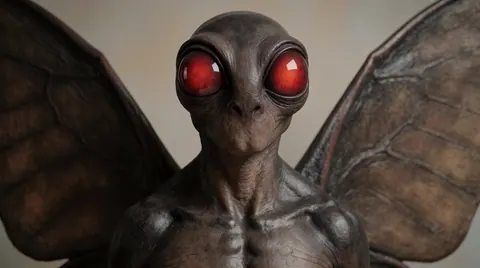
Cryptids are creatures people swear they saw but science has never caught - a red-eyed winged man in Point Pleasant, a hoofed devil in the Pine Barrens, a long neck rising from Lake Champlain. Zoologists explain most reports as misidentified animals, hoaxes, and folklore, yet the sightings keep arriving.
 AI ILLUSTRATION
Cursed Objects
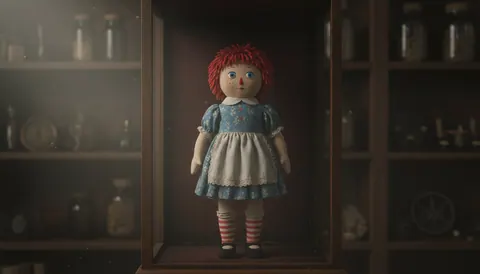
Cursed objects are dolls, paintings, gems, and relics said to bring bad luck to whoever owns them - a Raggedy Ann that moves by itself, a blue diamond that ruins its owners, a print that survives house fires. Historians usually find coincidence, showmanship, and tabloid storytelling behind the curse.

Haunted Places
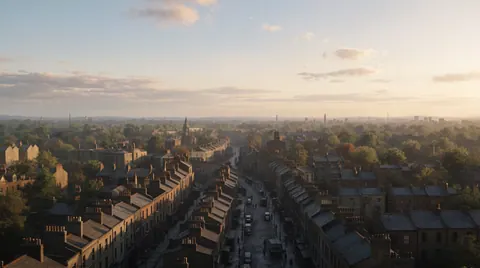
Haunted places are where history left a mark heavy enough to tell stories about - a solitary-confinement prison in Philadelphia, a Colorado hotel that inspired The Shining, a tower where queens were beheaded. Historians read the ghosts as memory, grief, and tourism layered on real deaths; visitors keep coming after dark.
 AI ILLUSTRATION
Historical Mysteries
Five women murdered in Whitechapel in autumn 1888, a treasure pamphlet printed in Lynchburg in 1885, eight letters carved on an English garden monument - historical mysteries are cold cases where the paper trail stops just short of an answer. Historians work from inquests and archives; new forensics and digitized newspapers occasionally move the needle.
How to Weigh Strange Claims
A bronze computer pulled from a Greek shipwreck, a monster photo confessed as a hoax sixty years later, a 72-second radio burst that never repeated - strange claims rest on very different kinds of evidence. Scientists and historians rank physical objects and primary records above testimony, and testimony above folklore, before asking what any of it means.
 AI ILLUSTRATION
Internet Legends
Internet legends are folklore born online - a 2012 imageboard puzzle that sent solvers chasing QR-code posters across the world, a painting sold on eBay with a curse attached, a cabinet whose seller later admitted he invented its haunting. Journalists can usually trace the first post; what happened next is collective storytelling at network speed.
 AI ILLUSTRATION
Lost Civilizations List
Lost civilizations range from Plato's sunken Atlantis and the occult continents of Lemuria and Mu to real cities that emptied out - Cahokia, Great Zimbabwe, the Indus Valley - plus scripts no one can read. Archaeology confirms the real cultures were built by their own peoples; the legendary lands remain stories.
 AI ILLUSTRATION
Mandela Effect
The Mandela Effect is the eerie experience of many people sharing the same wrong memory - Berenstein Bears, a monocled Mr. Monopoly, Darth Vader saying "Luke, I am your father." Fans joke about slipped timelines; psychologists see reconstructive memory at work, and the real books, logos, and film prints settle each case.
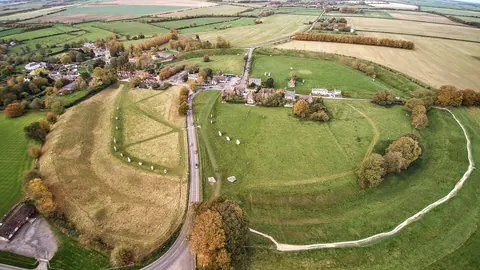
Megaliths
Megaliths are giant stone monuments raised long before modern machinery - Göbekli Tepe's carved pillars, Stonehenge's sarsens, Newgrange's solstice tomb, the moai of Rapa Nui. Archaeologists read them as feats of human organization and belief; alternative writers credit lost civilizations or ancient astronauts the digs do not support.
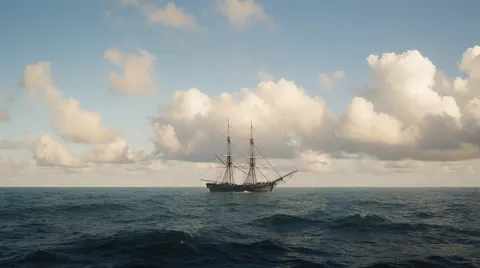 AI ILLUSTRATION
Mysterious Disappearances
Five Navy bombers lost off Florida in 1945, a brigantine found sailing itself in 1872, a hijacker who jumped into the Washington night with $200,000 - famous vanishings live on because the last solid fact is so vivid. Investigators usually land on weather, navigation error, or crime; the missing bodies keep the stories open.
 AI ILLUSTRATION
Mythical Creatures List
Mythical creatures are the beings that cultures built into their stories - an Irish banshee keening before a death, a Japanese fox that becomes a woman, a Norse wolf fated to swallow Odin. Scholars read them as folklore, religion, and moral warning rather than animals, which is exactly why they last.
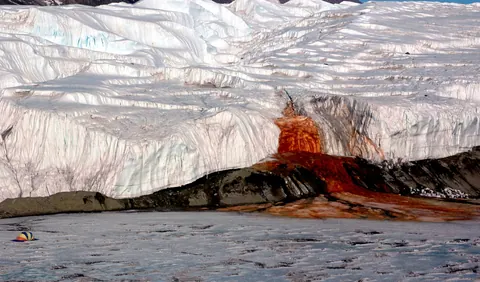
Natural Anomalies
Natural anomalies are places that look impossible until you learn how they formed - a glacier bleeding red in Antarctica, rocks that slide across a Death Valley lakebed, crystals longer than a bus in a Mexican cave. Geology, chemistry, and biology explain nearly all of them; the wonder survives the explanation.
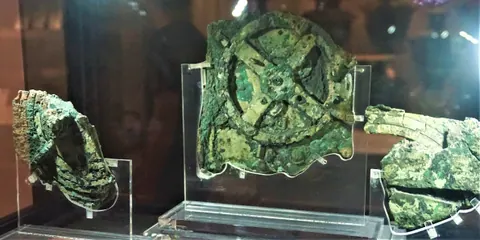
Objects and Artifacts
A corroded bronze computer from a Greek shipwreck, a clay jar hailed as an ancient battery, a 1513 map said to show Antarctica - mysterious artifacts are real things in real museums with wild stories attached. Specialists usually find human ingenuity, misreading, or invention behind the legend.
Ohio Cryptids
Ohio cryptids include a four-foot frog-man on the Little Miami River, a hairy Grassman in the hills around Salt Fork State Park, and South Bay Bessie, a serpent said to cruise Lake Erie. Skeptics point to an escaped iguana, bears, and big fish; Ohioans keep the legends alive anyway.
 AI ILLUSTRATION
Paranormal Types
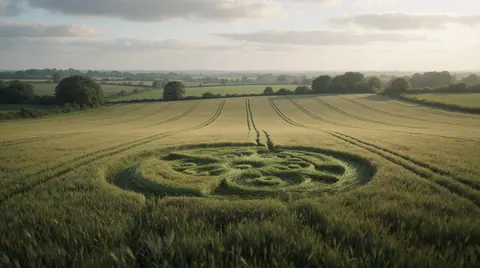
Some paranormal experiences repeat so often they have become types of their own - rings pressed into English wheat, a "noisy ghost" throwing objects around a teenager's bedroom, a dark figure in a hat at the foot of the bed. Mainstream explanations run from pranksters to REM sleep.
 AI ILLUSTRATION
Strange Sounds
A drone only some people can hear, a Russian radio buzz that has droned for four decades, an ocean sound loud enough to cross the Pacific - strange sounds are real recordings and real complaints. Many trace to ice, machinery, or military radio; a few, like Havana Syndrome, remain fiercely disputed.
 AI ILLUSTRATION
Types of Aliens
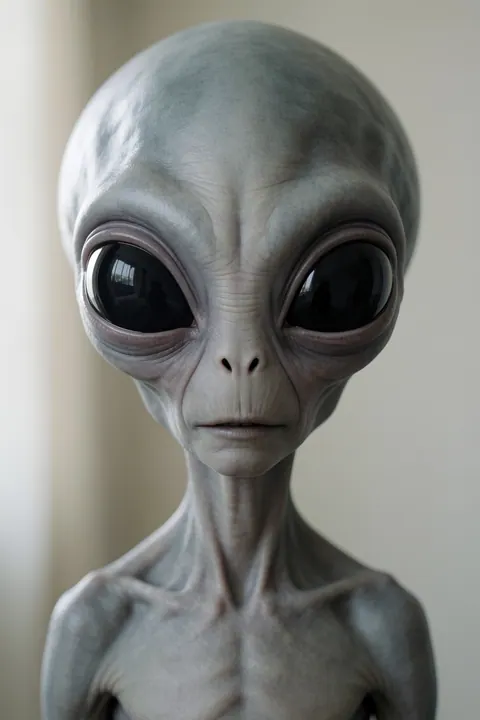
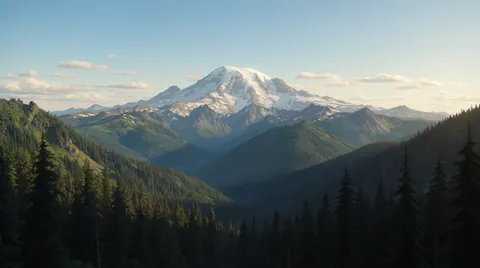
Types of aliens are the recurring visitors of UFO lore - big-eyed Greys, fair Nordics, shapeshifting Reptilians, towering Mantids, and more - each born from a specific book, case, or contactee between the 1950s and 1990s. No specimen has ever been verified; historians read them as modern folklore with traceable origins.
 AI ILLUSTRATION
UFO Cases
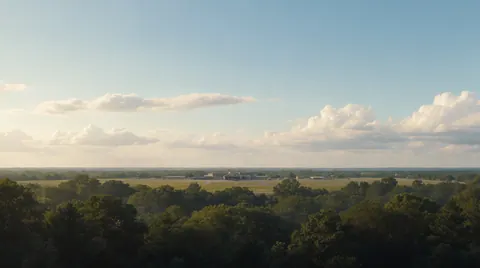
The most famous UFO cases are nights pinned to a date and place - a pilot over Mount Rainier in 1947, a policeman's landing site at Socorro, jets chasing lights over Tehran and Belgium. Investigators usually find flares, aircraft, satellites, or stress-bent memory, yet a stubborn few remain officially unidentified.
 AI ILLUSTRATION
UFO Programs
For more than seventy years, governments have kept offices whose job was to explain strange lights in the sky. The Air Force's Project Blue Book logged 12,618 reports from 1952 to 1969 and left 701 unidentified. Today's AARO reviews the same questions under a new name. No program has confirmed alien craft, but the files themselves are real history.