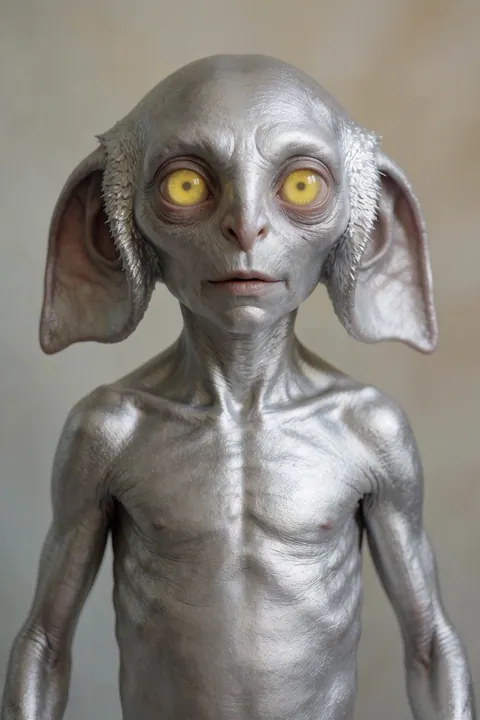
Overview
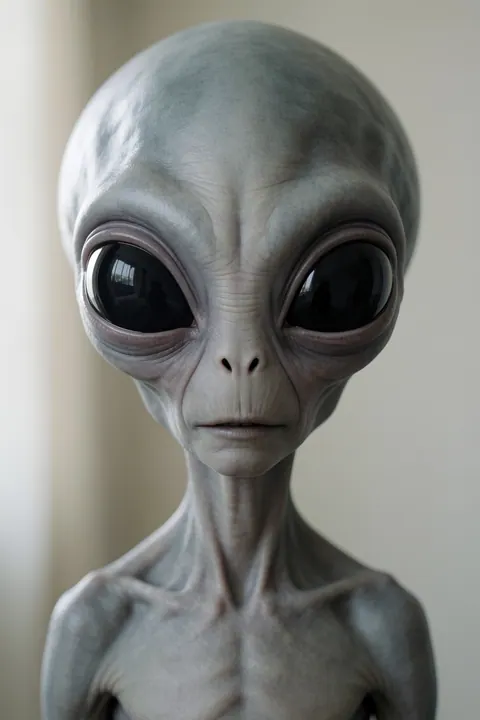
The face most people draw when they hear "alien" - bald grey head, no nose, huge black eyes - is barely sixty years old. Its modern form took shape after Betty and Barney Hill lost two hours on a New Hampshire road on 19-20 September 1961 and later, under hypnosis with psychiatrist Benjamin Simon, described small examiners with wraparound eyes. John G. Fuller's 1966 book The Interrupted Journey carried that face into living rooms, and the cover of Whitley Strieber's Communion (1987) fixed it in the public mind for good.
The grey was never the only visitor on offer. In 1952 a California lecturer named George Adamski described a long-haired, human-looking man from Venus. In 1975 a Swiss farmer began photographing "beamships" he credited to blond guides from the Pleiades. In 1999 a British broadcaster-turned-author told readers that shapeshifting reptiles ran the world. Each type of alien has a birthday, a birthplace, and usually one storyteller who fixed its look - which makes the whole cast easier to trace than to prove.
Greys
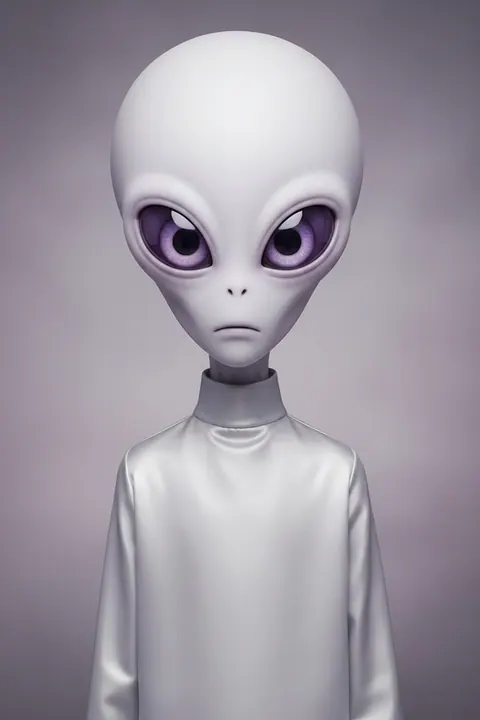
What they look like: three to four feet tall, grey or pale skin, oversized hairless head, huge black almond eyes, slit mouth, little or no nose, thin limbs.
Where the lore comes from: the Betty and Barney Hill case (1961, hypnosis 1963-1964), amplified by Bud Hopkins's abduction casebooks and Strieber's Communion. By the 1990s The X-Files could summon them with a glance.
How seriously to take it: the most widely reported alien type of all, and also the one psychologists study most - hypnosis, sleep paralysis, and a face that saturated every screen. Not every famous abduction matches; the 1973 Pascagoula witnesses described wrinkled, robot-like beings instead. Full profile: Greys.
Nordic aliens
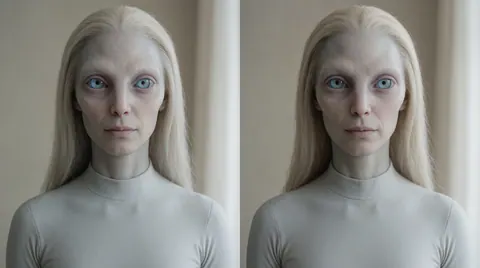
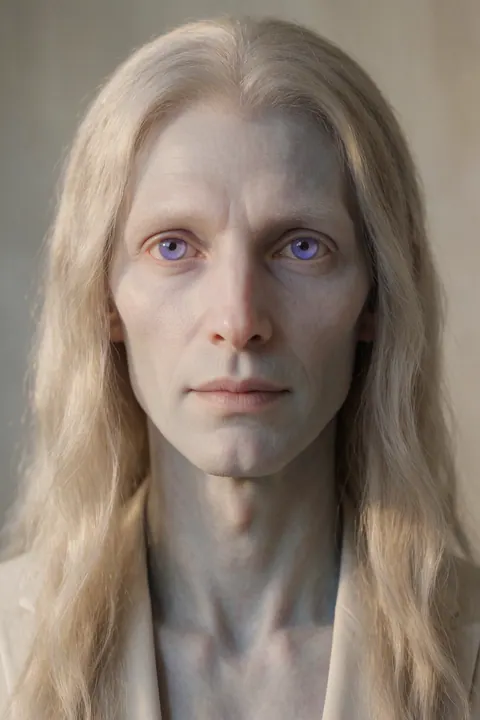
What they look like: tall, fair-skinned, often long blond hair and light eyes - essentially idealized humans in one-piece suits.
Where the lore comes from: George Adamski's claimed meeting with a Venusian later called Orthon near Desert Center, California, on 20 November 1952, written up in Flying Saucers Have Landed (1953). These "Space Brothers" preached against nuclear war, and a wave of 1950s contactees told similar stories.
How seriously to take it: Adamski's photographs and claims drew heavy skeptical fire even in his lifetime. Historians treat the type as Cold War religious folklore - messengers in saucers rather than angels on clouds. Full profile: Nordic Aliens.
Pleiadians
What they look like: the Nordic template again - blond, slender, serene - said to hail from the Pleiades star cluster.
Where the lore comes from: Billy Meier, a one-armed Swiss farmer who said his contacts with a woman named Semjase began on 28 January 1975. Barbara Marciniak's channeled Bringers of the Dawn (1992) later turned Pleiadians into a spiritual "star family."
How seriously to take it: critics have identified model craft in Meier's photos, and images he presented as his visitors were later shown to be faked. The channeled strand makes no physical claims at all. Full profile: Pleiadians.
Reptilians
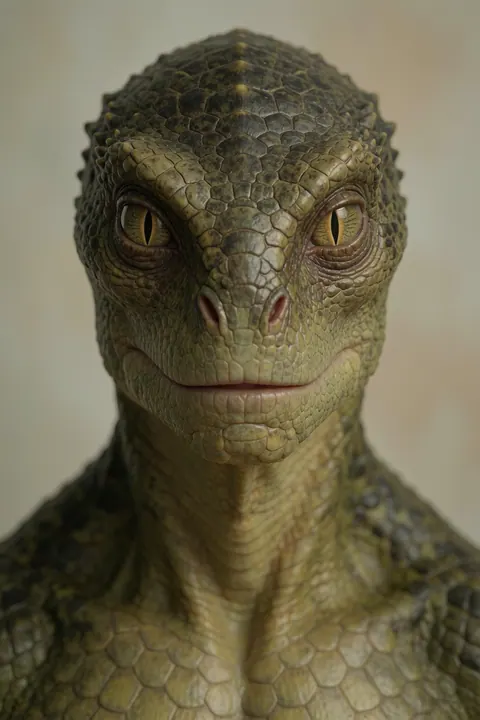
What they look like: scaled humanoid lizards with slit-pupil eyes, said to reach seven feet or more once their human disguise slips - or "glitches" on camera.
Where the lore comes from: pulp first - Robert E. Howard's 1929 story "The Shadow Kingdom" gave readers Serpent Men posing as nobles, and NBC's 1983 miniseries V showed friendly visitors peeling off human skin. David Icke's The Biggest Secret (1999) turned that plot into a claimed reptilian bloodline running royal houses and governments.
How seriously to take it: scholars of conspiracy culture, notably Michael Barkun, treat it as a modern conspiracy myth; fact-checkers trace the "glitching eyes" in viral clips to video-compression artifacts. Full profile: Reptilians.
Mantis aliens
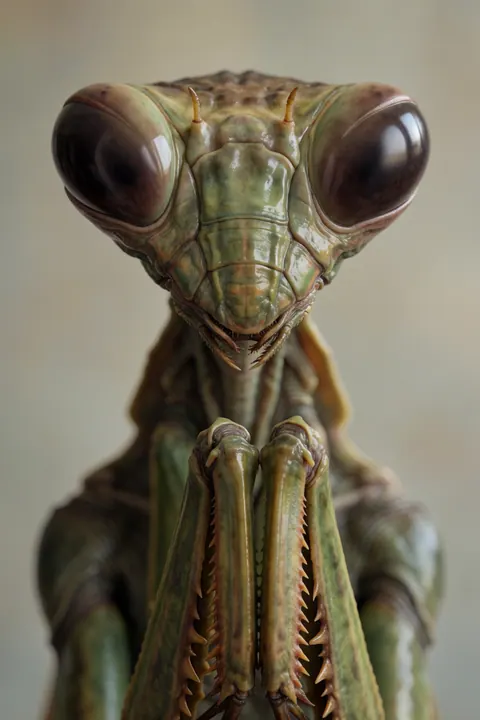
What they look like: tall, thin insect-like beings with triangular heads, huge eyes, and folded forelimbs, usually described as standing in charge while Greys do the work.
Where the lore comes from: abduction accounts of the late 1980s and 1990s. Karla Turner's Into the Fringe (1992) recounts a man recalling a giant, pale mantis-like being under hypnosis; historian David Jacobs later grouped similar reports as "insectalins."
How seriously to take it: entirely testimony from hypnosis-era abduction research, with no photograph or physical trace. Full profile: Mantis Aliens.
Tall Whites
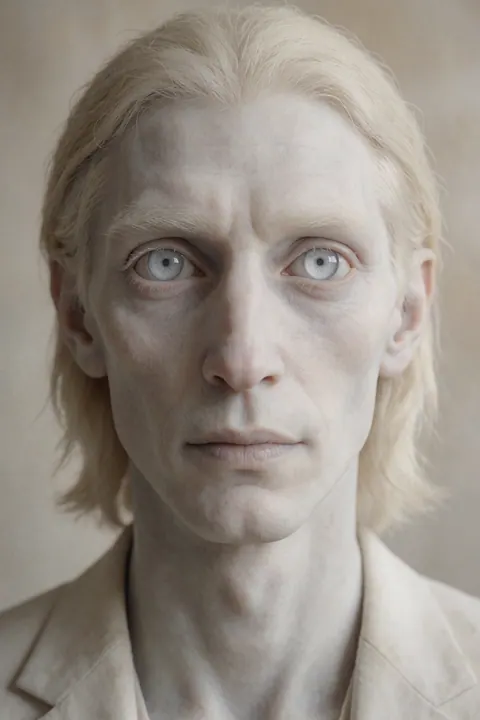
What they look like: very tall, chalk-white humanoids with pale blue eyes, in silvery suits.
Where the lore comes from: a single source - Charles James Hall, who says he met them as a U.S. Air Force weather observer on the Indian Springs ranges near Nellis AFB, Nevada, in the mid-1960s. His Millennial Hospitality books began appearing in 2002.
How seriously to take it: one man's memoir, written decades later in a novel-like voice, with no independent sighting of the beings themselves. Full profile: Tall Whites.
Arcturians
What they look like: descriptions vary, because they are mostly heard rather than seen - slender three-to-four-foot beings in the 1990 channeled text, taller blue-toned healers in later New Age art.
Where the lore comes from: Edgar Cayce's trance readings of the 1930s-1940s described the real star Arcturus as a spiritual waypoint; channeled books such as We, the Arcturians (1990) gave it a civilization.
How seriously to take it: a channeling tradition, not an encounter tradition; there are no sightings to test. Full profile: Arcturians.
Little green men and the Hopkinsville goblins
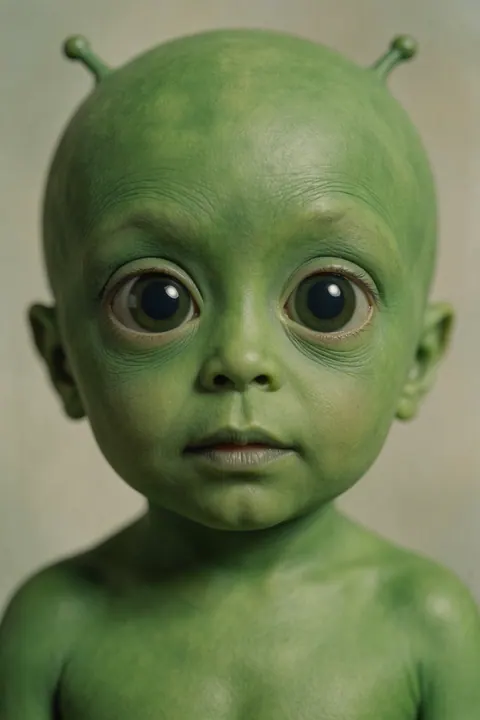
What they look like: small, big-headed, and - in cartoons - bright green.
Where the lore comes from: the phrase was a pulp and newspaper joke by the early 1950s. On the night of 21-22 August 1955, two families at a farmhouse near Kelly, Kentucky, told police they spent hours firing at glowing, big-eared little figures; the local paper described "little men" in metal-looking clothes, and later headlines painted them green.
How seriously to take it: "little green men" is media slang, not a witness type. The Kelly case is a real, well-documented night of terror that skeptics such as Joe Nickell attribute to great horned owls. Full profiles: Little Green Men and Hopkinsville Goblins.
Alien types compared
| Type | Said to look like | Lore takes shape | Key figure or case | Strongest support |
|---|---|---|---|---|
| Greys | Small, grey, huge black eyes | 1961-1987 | Betty and Barney Hill; Communion | Many abduction testimonies |
| Nordics | Tall, blond, human | 1952 | George Adamski | Contactee books and photos |
| Pleiadians | Blond, serene humanoids | 1975 onward | Billy Meier; Barbara Marciniak | Disputed photos; channeling |
| Reptilians | Seven-foot shapeshifting lizards | 1929 pulp to 1999 | David Icke | Viral video "glitches" |
| Mantids | Tall praying-mantis humanoids | Late 1980s-1990s | Karla Turner; David Jacobs | Hypnosis testimony |
| Tall Whites | Chalk-white giants in silver suits | 1960s events, 2002 books | Charles James Hall | One memoir |
| Arcturians | Slender, often blue-toned healers | 1930s-1990 | Edgar Cayce; channelers | Channeled texts |
| Little green men | Small, green, big-headed | 1930s-1950s press | Kelly, Kentucky (1955) | Newspaper slang |
Why the cast keeps growing
Every type on this list arrived through a medium - a contactee lecture, a hypnosis session, a paperback cover, a channeled book, a miniseries. Folklorists note that each one mirrors the anxieties of its decade: atomic-age saviors in the 1950s, clinical examiners in the medical-anxiety 1980s, hidden reptilian elites in the internet-conspiracy 1990s. Once a look is printed, later witnesses have a ready-made face for a frightening night.
That does not make every witness a liar. Many people describe these encounters with real distress, and some cases - the Hills, the Kelly farmhouse, Pascagoula - come with police reports and same-week press. What is missing, for every type, is the thing that would settle it: a body, a tissue sample, or a craft examined in the open. For the dated sightings behind the lore, see UFO Cases.
Related hubs
FAQ
What are the main types of aliens in UFO lore? The big four are Greys (small black-eyed examiners), Nordics (tall fair humanoids), Reptilians (shapeshifting lizard people), and Mantids (insect-like overseers). Pleiadians, Tall Whites, Arcturians, and Little Green Men fill out the cast.
Are any of these alien types proven to exist? No. Every type rests on testimony, hypnosis sessions, channeled books, or photos later disputed. No body, tissue, or craft has passed independent scientific examination.
Where did the classic grey alien look come from? Its modern form crystallized in Betty and Barney Hill's 1963-1964 hypnosis sessions about their 1961 drive, spread through John G. Fuller's 1966 book, and was fixed for millions by the cover of Whitley Strieber's Communion (1987).
Why do Nordic aliens look so human? They come from 1950s contactee books, where visitors were spiritual messengers warning about the atomic bomb. Looking like idealized humans made them teachers rather than monsters.
Is the Xenomorph a type of alien? Not in this sense. The Xenomorph is a film creature from Alien (1979). UFO-lore types are visitors that real people claim to have met.
Sources
- Desmond Leslie & George Adamski, Flying Saucers Have Landed (1953) - https://archive.org/details/flyingsaucershav0000adam
- "Grey alien," Wikipedia - https://en.wikipedia.org/wiki/Grey_alien
- "Billy Meier," Wikipedia - https://en.wikipedia.org/wiki/Billy_Meier
- "Reptilian conspiracy theory," Wikipedia - https://en.wikipedia.org/wiki/Reptilian_conspiracy_theory
- Karla Turner, Into the Fringe (1992) - https://archive.org/details/IntoTheFringeByDrKarlaTurner