Lost civilizations
Legendary lands and contested cultures - mainstream archaeology beside alternative claims, with sources and attributed claims.
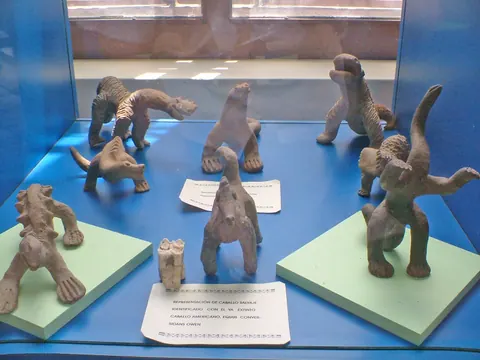
Acámbaro Figures
Acámbaro figures are roughly 32,000 ceramic objects, including dinosaur-shaped pieces, that hotelier Waldemar Julsrud amassed near Acámbaro, Mexico, after 1944. Archaeologist Charles Di Peso found modern debris mixed through the dig and testimony that paid villagers manufactured them. Mainstream archaeology treats the collection as a 20th-century forgery industry, not ancient dinosaur art.
 AI ILLUSTRATION
Agartha
Agartha is an occult hollow-Earth kingdom said to lie inside the planet, reached by polar openings or subterranean passages in esoteric travel tales. Geology rejects a habitable inner world; Agartha survives as occult fiction and conspiracy cartography, not as excavated architecture.
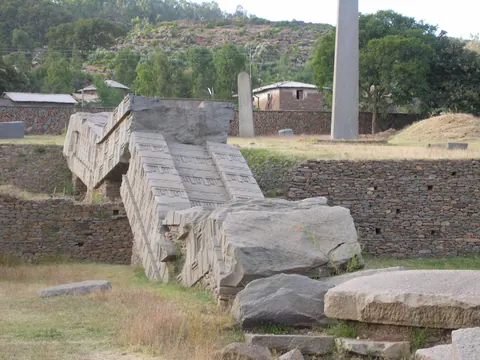
Kingdom of Aksum
Aksum was a Horn of Africa trading kingdom famed for towering granite stelae, Red Sea commerce, and early Christian kingship under rulers like Ezana. Archaeology documents a real African empire at the highland capital - not an Atlantis colony or alien quarry.

Ancestral Puebloans
Ancestral Puebloans built multi-story great houses at Chaco Canyon and cliff-hugging villages like Mesa Verde's Cliff Palace across the Four Corners region from roughly 850-1300 CE. Drought, resource strain, and social upheaval drove migrations south and east - not a mysterious vanishing - into communities whose Hopi, Zuni, and Rio Grande Pueblo descendants still live there today.
 AI ILLUSTRATION
Atlantis Theories
Atlantis begins in Plato’s Timaeus and Critias as a cautionary island empire that sinks after hubris. Later readers treat it as archaeology, allegory, or lost high technology - while classicists keep the dialogues primary and most candidate “found Atlantis” sites unproven as Plato’s island.

Cahokia
Cahokia was a Mississippian megacity of earthen mounds near modern St. Louis, peaking around 1050–1200 CE with Monks Mound at its ceremonial core. Archaeology documents Native urban planning - not a lost white race or alien construction crew - even as popular myth still tries to hijack the skyline.
 AI ILLUSTRATION
Camelot
Camelot is King Arthur's legendary court, first named by French poet Chretien de Troyes around 1170 - not by any earlier Welsh or British source. Historians read it as literary invention layered onto older Arthur legends, while Cadbury Castle's real Dark Age ramparts remain a tourist favorite with no proven textual link to the name.
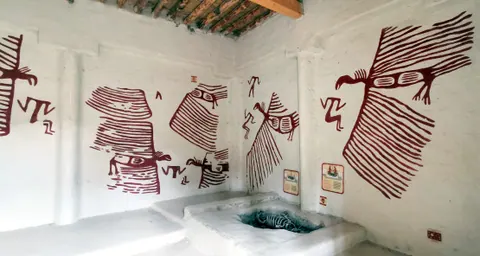
Çatalhöyük
Çatalhöyük was a densely packed Neolithic town in central Anatolia where thousands entered mudbrick homes through roof hatches around 7,100 BCE. Excavations uncovered wall paintings, plastered bull skulls, and floor burials - an egalitarian urban experiment before kings or metal tools.
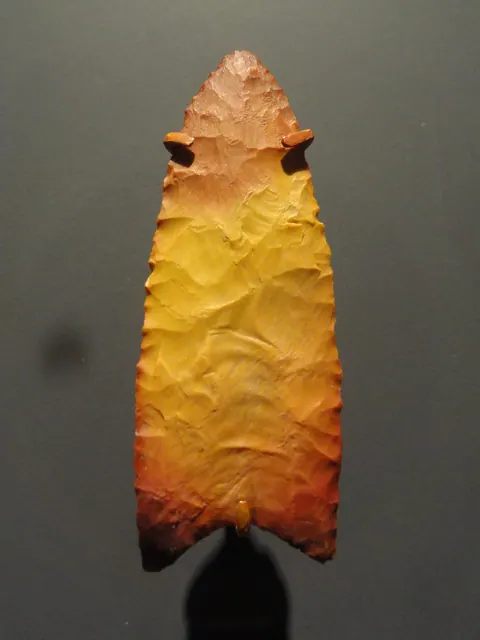
Clovis Culture
Clovis culture names Ice Age North American hunter-gatherers identified by their distinctive fluted stone spear points, dated to roughly 13,050-12,750 years ago at sites like Blackwater Draw, New Mexico. Once treated as the "first Americans," Clovis is now understood as one technology among earlier-arriving peoples, as older sites keep pushing the real peopling-of-the- Americas timeline further back.
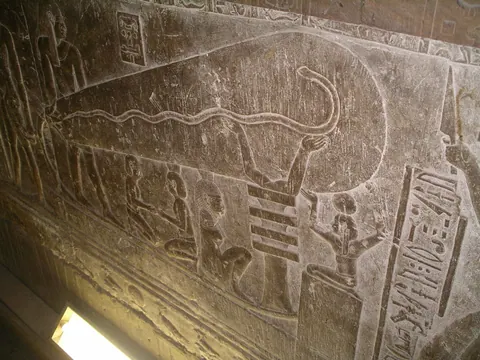
Dendera Light
The Dendera "light bulb" reliefs on Hathor Temple's crypt walls show a lotus flower, serpent, and djed pillar - standard Egyptian creation and rebirth symbols, not ancient electricity. Egyptologists have read this scene since Auguste Mariette first published the temple in 1870. No wires, batteries, or power source appear anywhere in Dendera's archaeology.
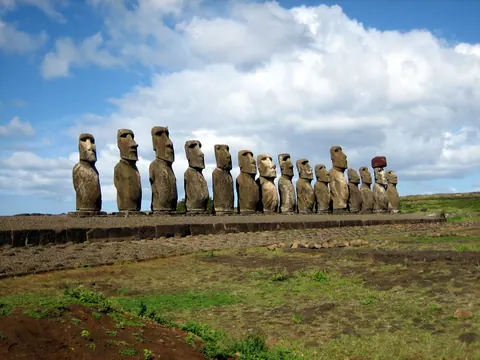
Rapa Nui Society
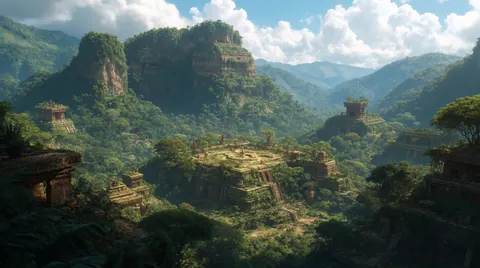
Rapa Nui society carved nearly 1,000 moai after Polynesian settlers arrived roughly 800 years ago, managing a small island for centuries before European contact in 1722. Disease and slave raids drove the real crash; the popular ecocide story oversimplifies what recent research ties more to colonial violence.
 AI ILLUSTRATION
El Dorado
El Dorado began as a real Muisca ritual near Bogota, where a new ruler was gilded in gold dust and rowed onto Lake Guatavita to offer treasure to the water. Spanish conquistadors twisted "the gilded one" into a rumored golden city, fueling centuries of doomed expeditions. The real ceremony left behind the 1969 Muisca Raft artifact.
Great Zimbabwe
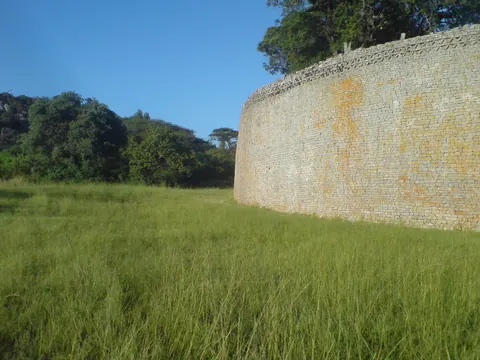
Great Zimbabwe is a medieval stone city in southeastern Zimbabwe, capital of a Shona-linked trading polity that flourished roughly the 11th–15th centuries CE. Archaeology credits African builders; colonial-era myths of foreign architects were political fiction dressed as excavation talk, not dig results.
Greenland Norse Settlements
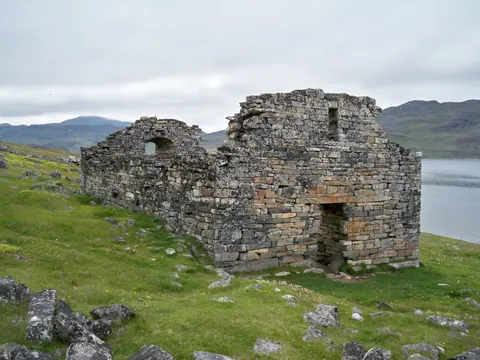
Norse farmers settled Greenland's fjords around 985 CE under Erik the Red and held on for roughly 450 years before the Eastern and Western Settlements fell silent. Climate cooling, a collapsed ivory market, and strained Inuit relations explain the end - not a single vanishing night, and no lost high-tech colony swallowed by ice.
Helicopter Hieroglyphs
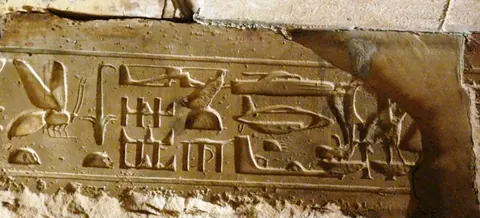
The "helicopter hieroglyphs" are a palimpsest on the Temple of Seti I at Abydos: workers plastered over Seti's titles and recarved Ramesses II's name on top, and the two overlapping outlines coincidentally resemble a helicopter and other vehicles. Egyptologists call it ordinary recarving, not a New Kingdom air force.
 AI ILLUSTRATION
Hyperborea
Hyperborea is the far-north paradise of Greek myth - a land beyond the North Wind where Apollo was said to be especially honored. Later occult writers reused the name for Arctic homelands; mainstream classics treat it as literary geography, not a dug civilization.
Iron Pillar of Delhi
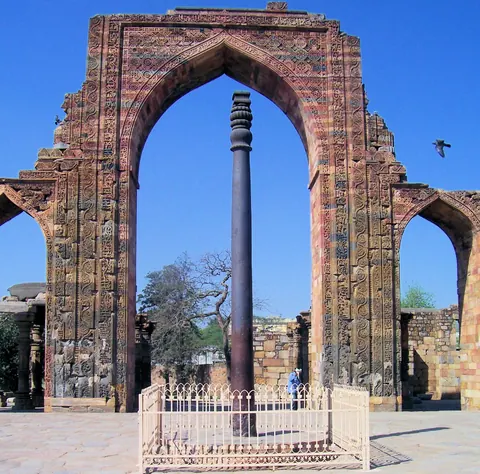
Delhi's Iron Pillar is a genuine 5th-century Gupta-era forged-iron column that has resisted serious rusting for over 1,600 years in the open air. Metallurgists credit a phosphorus-rich iron recipe that forms a protective crystalline coating, not lost ancient technology or extraterrestrial metal. It still stands at the Qutb complex, a UNESCO World Heritage Site.
Ica Stones
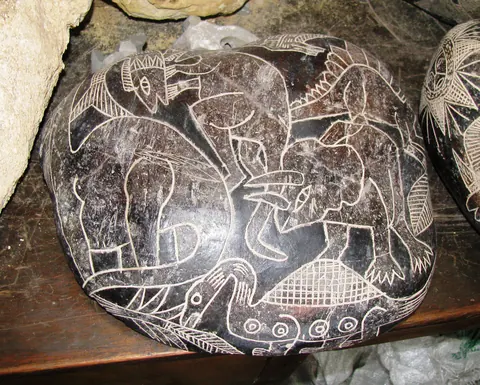
Ica stones are engraved andesite rocks sold around Ica, Peru, depicting dinosaurs, continents, and surgery. In 1973 farmer Basilio Uschuya admitted to carving them for tourists and demonstrated the technique to investigators. Peruvian authorities classed the trade as forgery, though thousands still circulate as supposed proof of ancient advanced knowledge.
Indus Script
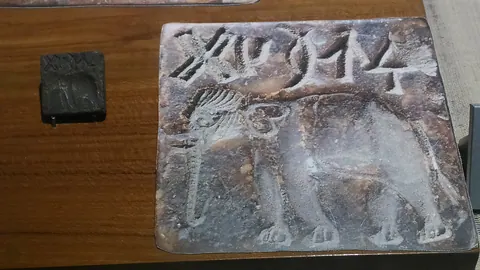
The Indus script is the still-undeciphered sign system of the Harappan civilization, known mainly from tiny seal texts and pottery marks. Short inscriptions and the missing bilingual key keep every viral breakthrough claim on probation with specialists, while mainstream research stays inside South Asian archaeology - not a Mu mother tongue.
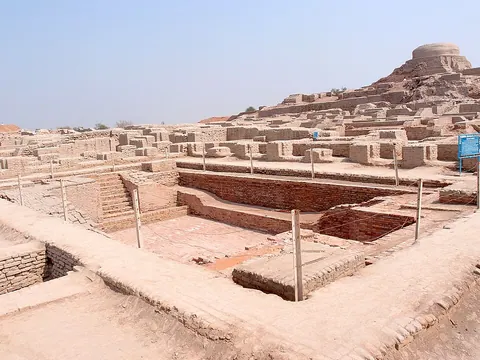
Indus Valley Civilization
The Indus Valley Civilization (Harappan civilization) was a Bronze Age urban culture across parts of modern Pakistan and northwest India. Archaeology documents planned cities, craft networks, and an undeciphered script - a real civilization that still invites questions about language, decline, and lost knowledge.
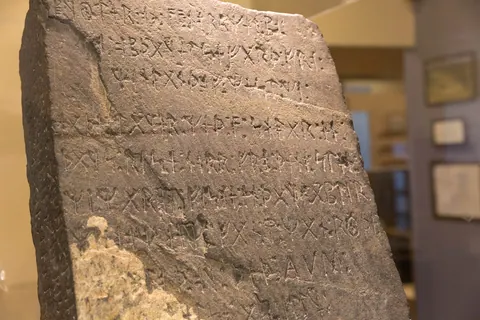
Kensington Runestone
The Kensington Runestone is a Minnesota slab farmer Olof Öhman reported unearthed from a tree root in 1898, inscribed with runes claiming a 1362 Norse expedition. Runologists find its language and letter forms anachronistically modern, matching 19th-century Swedish-American dialect rather than medieval Norse. Most historians treat it as a period hoax, not Viking evidence.

Khmer Empire and Angkor
Angkor was the hydraulic megacity capital of the Khmer Empire, built around temple-mountains like Angkor Wat from the 9th to 15th centuries CE. Lidar surveys since 2012 revealed a low-density urban sprawl far larger than tourists ever walked, while drought-then-flood climate swings help explain why the canal-fed capital eventually emptied out.
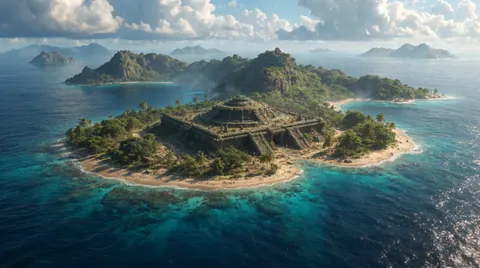 AI ILLUSTRATION
Kumari Kandam
Kumari Kandam is a Tamil tradition of a vast southern homeland swallowed by the sea, rooted in medieval commentary on lost Sangam-era poetry academies. In the 1920s-30s, Tamil revivalists fused it with the unrelated Western "Lemuria" hypothesis to claim deep antiquity for Tamil civilization - a distinct literary legend, not a copy of Lemuria.
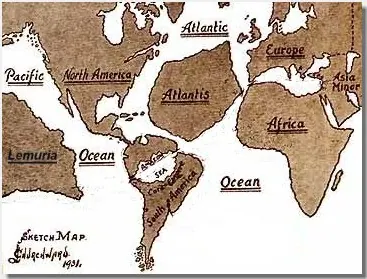
Lemuria
Lemuria began as an 1864 biogeographic land-bridge idea to explain lemur distributions, then flowered into a Theosophical lost continent of a mythical root race. Plate tectonics removed the scientific need for a sunken landmass, yet Lemuria lore still thrives as esoteric mythology and imaginative geography.
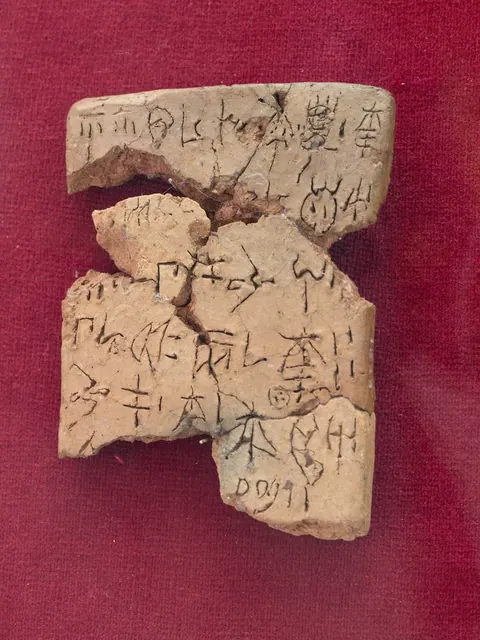
Linear A
Linear A is the undeciphered script of Minoan Crete, ancestral in form to the later deciphered Linear B used for Mycenaean Greek. Clay tablets survive in useful numbers - yet without a bilingual, the underlying Minoan language stays contested among specialists.
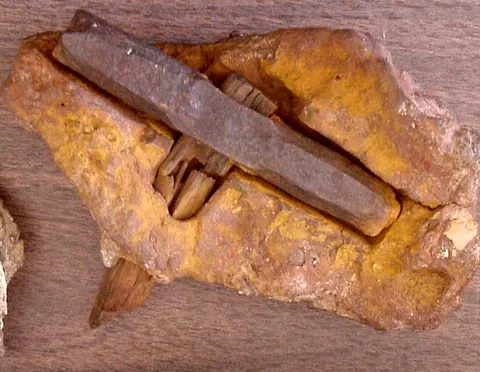
London Hammer
The London Hammer is a 19th-century iron hammer head encased in a lump of rock found near London, Texas, in 1936. Geologists explain the concretion as mineral-rich creek water precipitating around the tool over decades, not millions of years. Similar modern objects have turned up encased in the same creek bed.
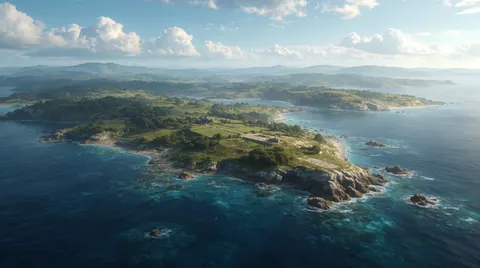 AI ILLUSTRATION
Lyonesse
Lyonesse is a legendary land said to have stretched from Cornwall to the Scilly Isles before drowning in a single catastrophic flood. First mapped in a 15th-century travel itinerary, it later anchored Arthurian romance and real place-name disputes. Modern coastal geology shows no evidence of one sudden continent-scale flood event.
 AI ILLUSTRATION
Maine Penny
The Maine penny is an 11th-century Norwegian coin that amateur archaeologist Guy Mellgren reported finding at the Goddard site in 1957, among Native American trade goods. Numismatists confirm the coin itself is genuine, but a 2017 reassessment argues its dig-site context cannot be verified, so it may be a later intrusion rather than proof of Norse-Native trade.
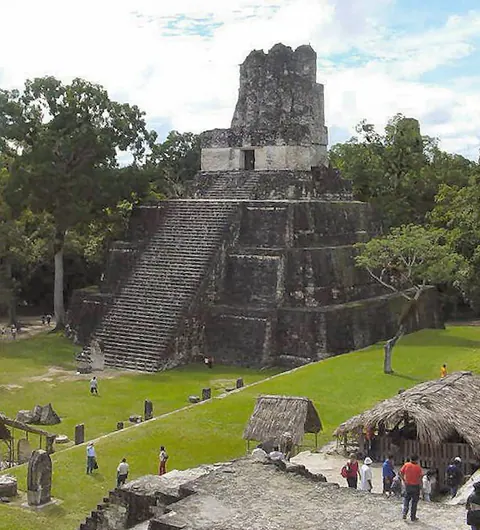
Maya Classic Collapse
The Classic Maya collapse describes the 8th-9th century CE political fragmentation of southern lowland cities like Tikal and Calakmul - not a disappearance of the Maya people, who still number in the millions today. Documented drought cycles, chronic warfare, and strained divine kingship ended an era, while northern cities like Chichen Itza kept thriving.
 AI ILLUSTRATION
Mu
Mu is a Pacific lost-continent idea popularized by James Churchward in the early twentieth century, often blended with Lemuria in later New Age books. Mainstream geology finds no drowned Mu empire - plate tectonics and Pacific archaeology leave Churchward’s tablets and timelines uncorroborated.
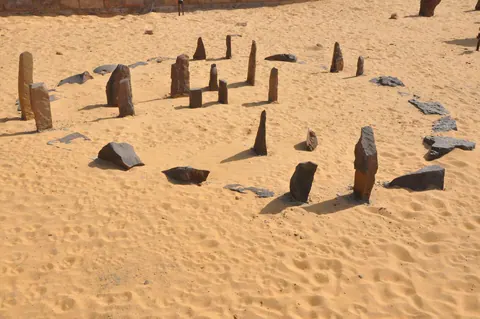
Nabta Playa
Nabta Playa is a Neolithic ceremonial site in Egypt's Western Desert where Saharan herders raised stone megaliths and buried sacrificed cattle roughly 6,000-4,800 years before the Sahara dried into desert. Excavators led by Fred Wendorf proposed a calendar circle tracking the summer solstice; ancient-astronaut shows have since bolted on Orion-alignment claims that mainstream archaeoastronomers do not support.
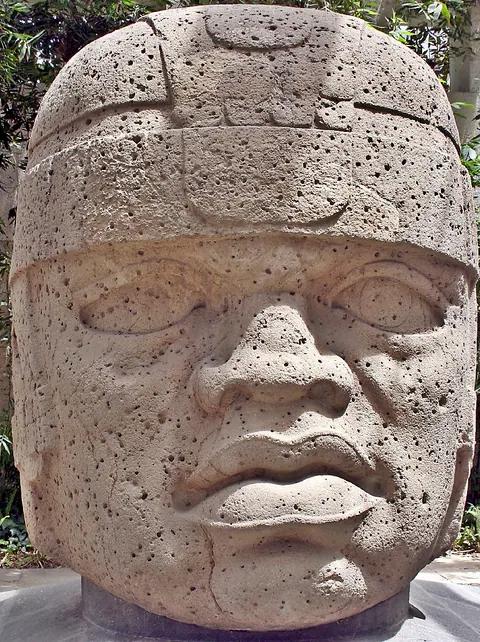
Olmec
The Olmec were an early Mesoamerican civilization of the Gulf Coast lowlands, famous for colossal basalt heads and centers such as San Lorenzo and La Venta in the Formative period. Archaeology treats them as a foundational Native culture - not African voyagers or alien sculptors.
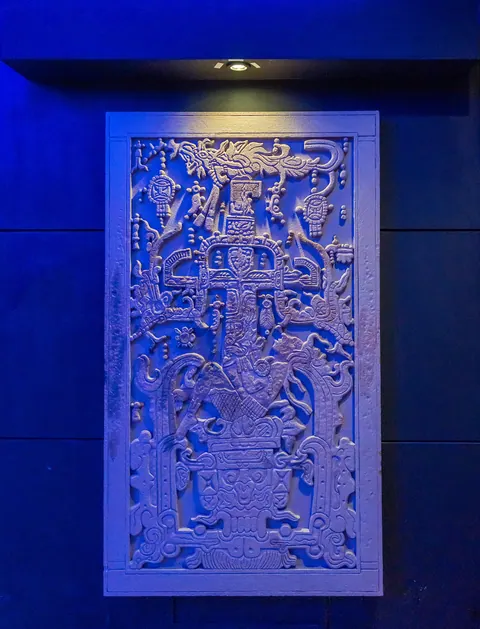
Pacal's Sarcophagus Lid
The carved lid sealing K'inich Janaab' Pakal's tomb beneath Palenque's Temple of the Inscriptions shows the Maya king falling into the jaws of the underworld at the base of the World Tree, a well-documented piece of Classic Maya cosmology. A 1960s-onward pop-culture reading recasts the same scene as an astronaut piloting a rocket, a claim Maya epigraphers reject outright.
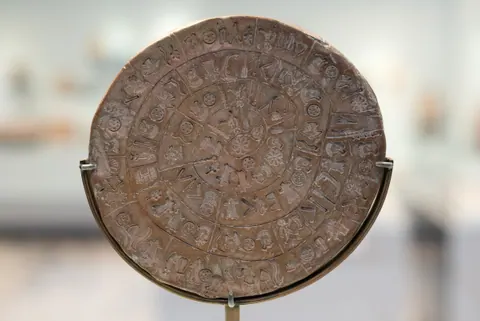
Phaistos Disc
The Phaistos Disc is a fired clay disc from Minoan Crete stamped with spiraling undeciphered signs on both faces. It is a real museum object - not a modern prop - but no reading has won lasting specialist consensus, and it remains a one-of-a-kind Bronze Age puzzle rather than proof of Atlantis mail.
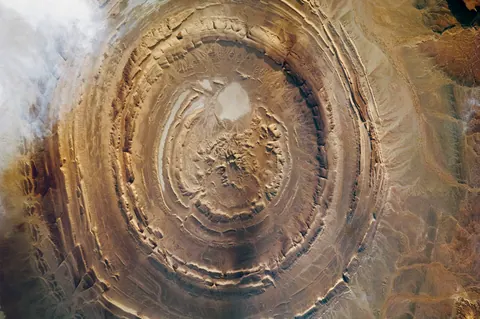
Richat Structure (Eye of the Sahara)
The Richat Structure is a real eroded geologic dome in Mauritania often mislabeled online as Plato’s Atlantis rings. Geology explains the concentric bands; Greek dialogues still live in prose, not as a Saharan city blueprint carved by gods or aliens.
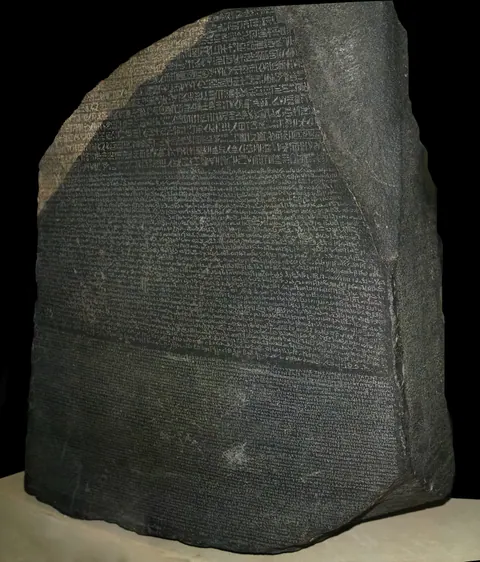
Rosetta Stone and the Decipherment of Egyptian Hieroglyphs
The Rosetta Stone is a 196 BCE Ptolemaic decree in hieroglyphic, Demotic, and Greek, rediscovered by French soldiers in 1799. Champollion used the known Greek to crack hieroglyphs by 1822, unlocking millennia of Egyptian texts that had been unreadable for over a thousand years.
 AI ILLUSTRATION
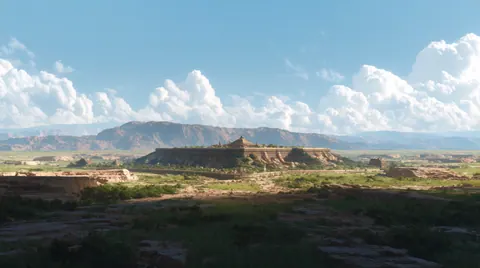
Shambhala
Shambhala is a hidden kingdom in Buddhist literature - a pure land-like realm associated with Kalachakra teachings - later remixed by Theosophy and New Age seekers into a Himalayan utopia. Scholars treat scriptural Shambhala as sacred geography; tourist “find the gate” claims stay unverified.
 AI ILLUSTRATION
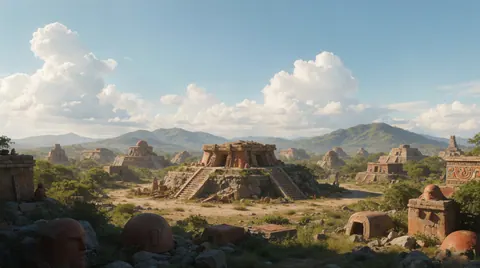
Tartaria
Tartaria is an internet-era empire myth built from old map labels for Inner Asia and conspiracy readings of world fairs and mud floods. Historians treat Tartary as a geographic exonym, not a suppressed global super-civilization erased by elites, and primary atlases still show that quieter story.
 AI ILLUSTRATION
Tecaxic-Calixtlahuaca Head
This small terracotta head, excavated in central Mexico in 1933, was identified by archaeologist José García Payón as stylistically Roman and found beneath an undisturbed pre-contact floor - seeming evidence of Roman contact with ancient America. A 2001 thermoluminescence and stylistic rebuttal argues it is more likely a post-contact European import mixed into the deposit.
 AI ILLUSTRATION
Thule
Thule was the northernmost land Greek explorer Pytheas claimed to reach around 325 BCE, later debated by Strabo and Pliny as Iceland, Norway, or Shetland. Centuries afterward, a 1918 Munich occult society borrowed the name for Aryan-homeland mysticism; that political myth has nothing to do with Pytheas’s original geography.

Vinland
Vinland is the Norse name for lands the Greenland colony reached around 1000 CE, confirmed by the excavated encampment at L'Anse aux Meadows, Newfoundland. Tree-ring analysis tied to a 993 CE solar storm dated Norse wood-cutting there precisely to 1021 CE - predating Columbus by nearly five centuries, though Vinland itself was never permanently colonized.
Voynich Manuscript
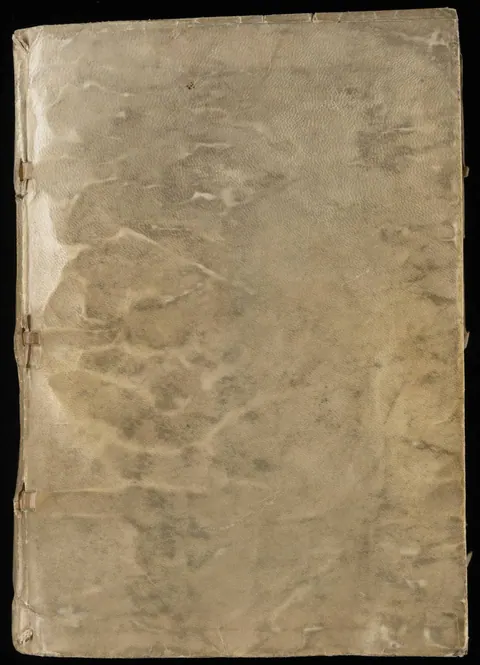
The Voynich Manuscript is an illustrated codex in an undeciphered script, held at Yale's Beinecke Library. Radiocarbon dating of the vellum points to the early 15th century. The physical book is real; what the script means remains one of history's most inviting open puzzles.
 AI ILLUSTRATION
Ys
Ys is a Breton legend of a city built below sea level and protected by a king’s locked floodgate, until his reckless daughter Dahut opened it and drowned everyone. Collected from oral tradition in 1839, the tale blends real coastal flooding memory with moral fable; no excavation has located a sunken city off Brittany.