SAQIB QAYYUM / CC BY-SA 3.0

Indus Valley CivilizationDraft

Harappan civilization · Indus civilization · Indus Valley Culture
EVIDENCEABCDE
ARCHAEOLOGICALA · Physically verified or firmly documented

Mainstream consensus: Verified archaeological culture with ongoing research questions (especially script decipherment and decline models).

Short answer

The Indus Valley Civilization (Harappan civilization) was a Bronze Age urban culture across parts of modern Pakistan and northwest India. Archaeology documents planned cities, craft networks, and an undeciphered script - a real civilization that still invites questions about language, decline, and lost knowledge.

Mainstream view

A major Bronze Age civilization known from archaeology - urban planning, standardized weights, long-distance trade, and an undeciphered Indus script. Decline is researched through climate, river shifts, and socio-economic change, not a single mystical catastrophe.

Alternative claim

Fringe narratives may claim extreme antiquity, ancient nuclear war at Mohenjo-daro, or a fully deciphered “advanced science” script suppressed by academia.

Short answer

The Indus Valley Civilization (Harappan civilization) was a real Bronze Age urban culture in South Asia. Archaeology documents planned cities, craft networks, and an undeciphered script. It is not a mythical lost land - though fringe media sometimes invent extreme antiquity or suppressed technology.

What it is

Entry class: archaeological civilization. Location: Indus basin and related regions of modern Pakistan and northwest India. Consensus dating: roughly 3300–1300 BCE across Early, Mature, and Late phases. Claimed dating: occasional fringe stretches into far older “mother civilization” timelines.

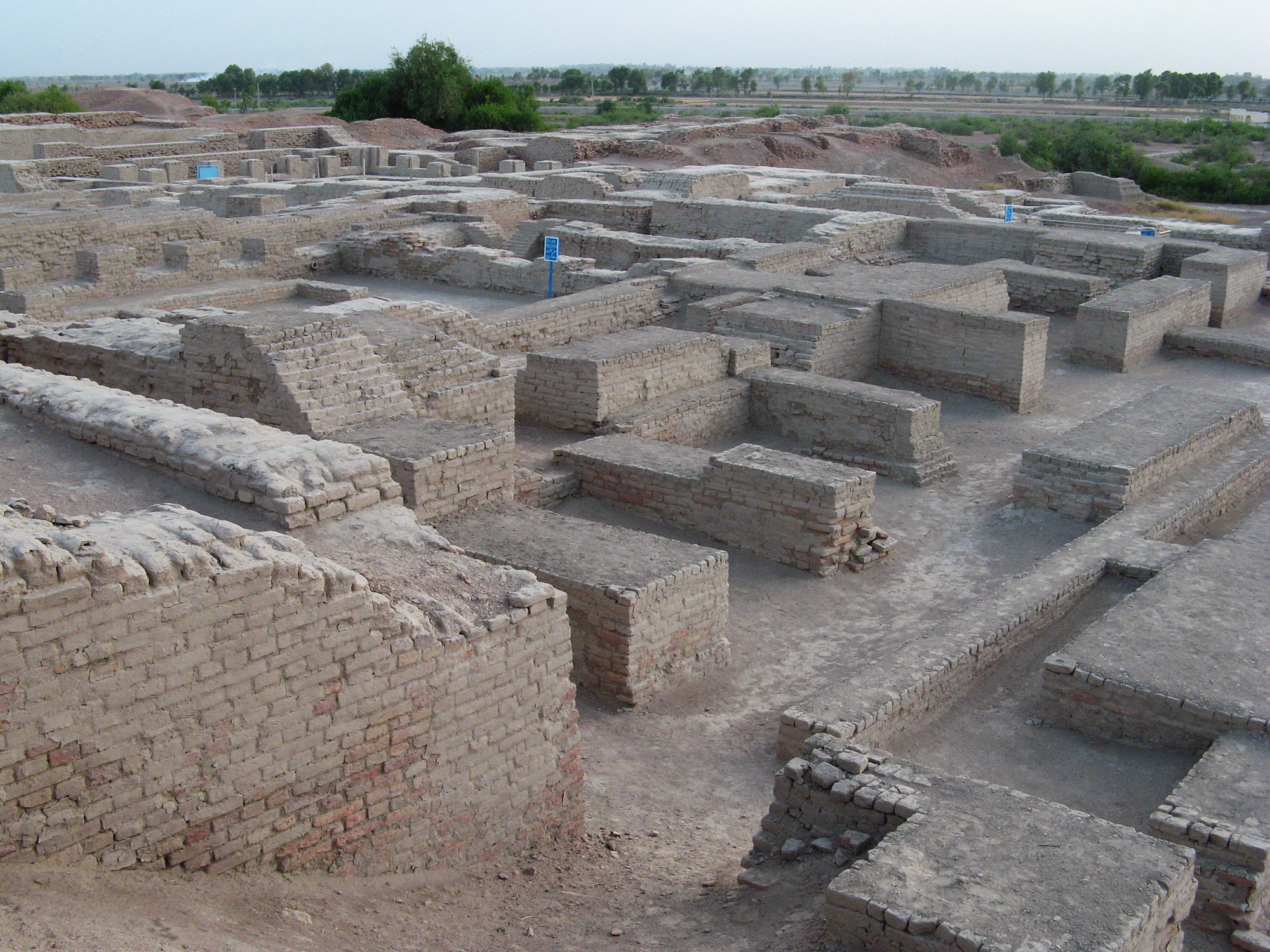
Major excavated sites include Harappa, Mohenjo-daro, Dholavira, and Rakhigarhi. Coordinates on this page orient near Mohenjo-daro. Hallmarks include baked-brick architecture, drainage systems, standardized weights, seal-based administration imagery, and long-distance exchange with regions including Mesopotamia.

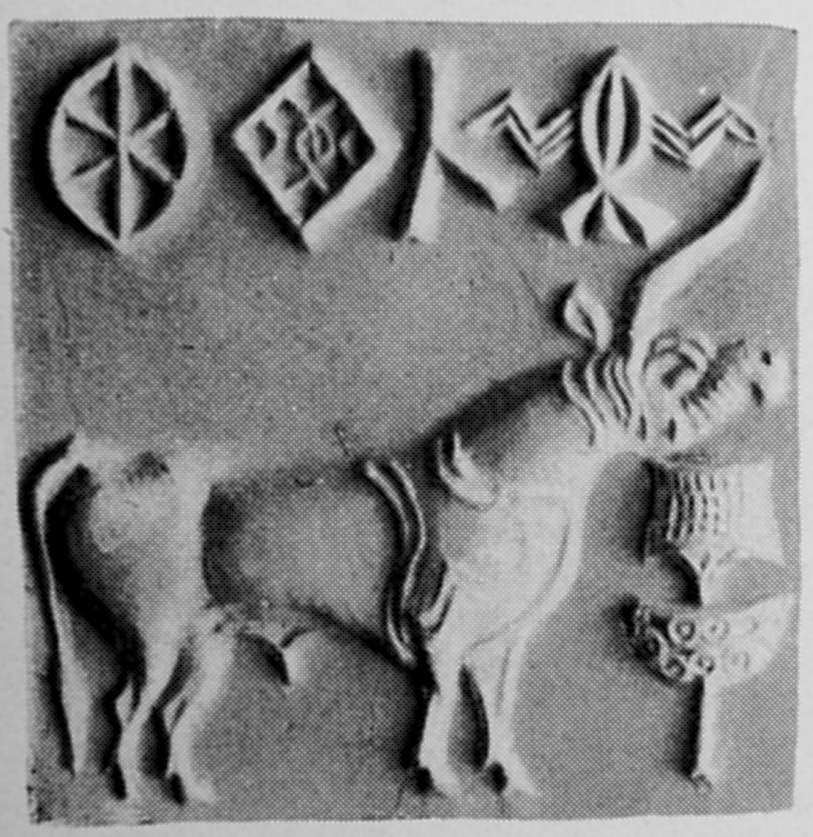
The Indus script remains undeciphered. Seal texts are typically very short, which limits testing of decipherment claims.

Mainstream view vs alternative claims

Mainstream archaeology treats the Indus as a verified urban Bronze Age culture with open questions (script, decline mechanisms). Alternative claims may allege ancient nuclear war, fully solved decipherments, or non-human tech.

ClaimMainstream view
Ancient astronauts / lost super-raceBronze Age urban material culture without non-human tech
Nuclear war at Mohenjo-daroRejected fringe reading of skeletal and site data
Script fully decipheredNo consensus decipherment; texts remain short and contested
Legendary rather than realHundreds of excavated and surveyed sites document a real culture

Evidence rating

Evidence level: A. Mainstream consensus: verified archaeological culture with ongoing research questions, especially Indus script decipherment and Late Harappan transformation models.

PreferRealAsset photography of Mohenjo-daro and seals is used on this page - licensed documentary images, not AI reconstructions of a “lost” fantasy city.

Timeline

  • c. 3300–2600 BCE — Early Harappan developments toward urban systems.
  • c. 2600–1900 BCE — Mature Harappan urban peak.
  • 1921–1924 — Systematic excavations and public announcement of the civilization.
  • c. 1900–1300 BCE — Late Harappan reorganization and urban decline (causes debated).

Key debates and stories

Attributed cards cover Marshall-era discovery, Mohenjo-daro’s Great Bath urban remains, Indus script debates, and fringe nuclear-war claims. Prefer excavation reports, UNESCO site documentation, and scholarly reviews over sensational retellings.

Related lost-civilization peers and planned site pages (Mohenjo-daro, Harappa, Dholavira). Cross-category: Göbekli Tepe - another deep-time archaeology-vs-fringe conversation in a different region and period.

Museum seal exhibitions, UNESCO tourism at Moenjodaro, TV documentaries on “undeciphered scripts,” and alternative-history shows that mystify Harappan decline or invent prehistoric weapons.

FAQ

Was the Indus Valley Civilization real? Yes - a documented Bronze Age archaeological culture with major excavated cities such as Harappa and Mohenjo-daro.

Has the Indus script been deciphered? No decipherment has broad scholarly consensus. Short inscriptions and missing bilingual keys keep the script unresolved.

Why did the Indus cities decline? Researchers debate climate change, river course shifts, and economic reorganization across Late Harappan centuries - not a single proven mystical catastrophe.

Is Mohenjo-daro evidence of ancient nuclear war? Mainstream archaeology rejects that fringe claim.

Where were the main Indus cities? Core sites include Harappa, Mohenjo-daro, Dholavira, and Rakhigarhi, among hundreds of related settlements.

How old is the civilization? Roughly 3300–1300 BCE across phases, with Mature urbanism around 2600–1900 BCE in common specialist frameworks.

Sources

UNESCO Moenjodaro listing and excavation-history overviews are linked in the Sources panel. Prefer archaeological synthesis over YouTube lost-civilization channels.
Documentary photos

Rights-cleared documentary stills and serious reference images. These are not AI illustrations.

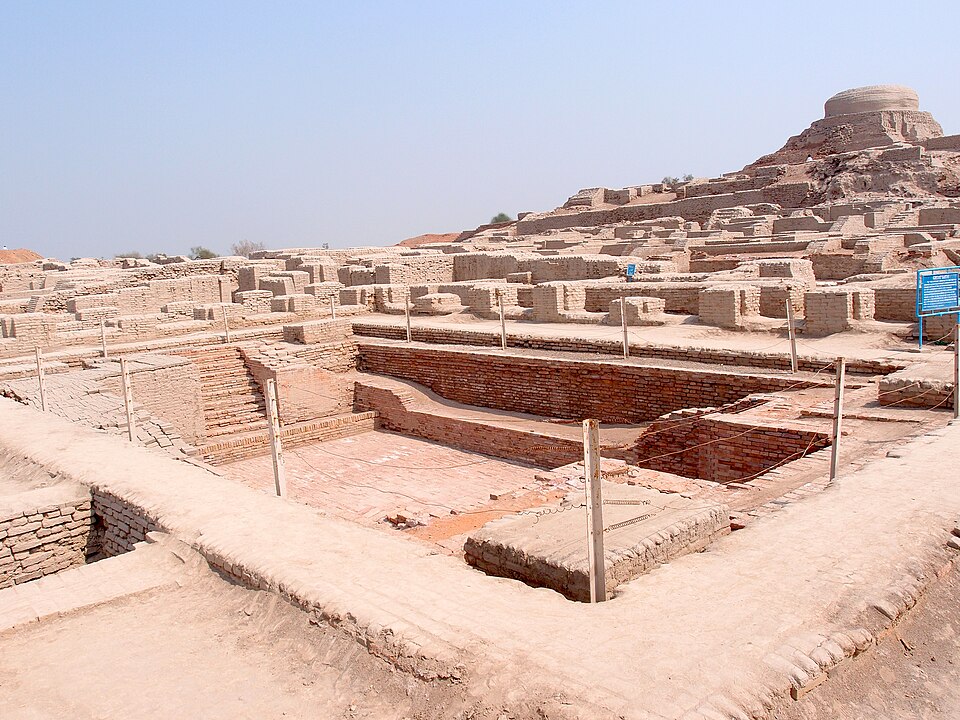
Great Bath and brick ruins at Mohenjo-daro, Sindh, Pakistan, showing planned Indus urban architecture.
Great Bath area at Mohenjo-daroCredit: Saqib Qayyum / CC BY-SA 3.0
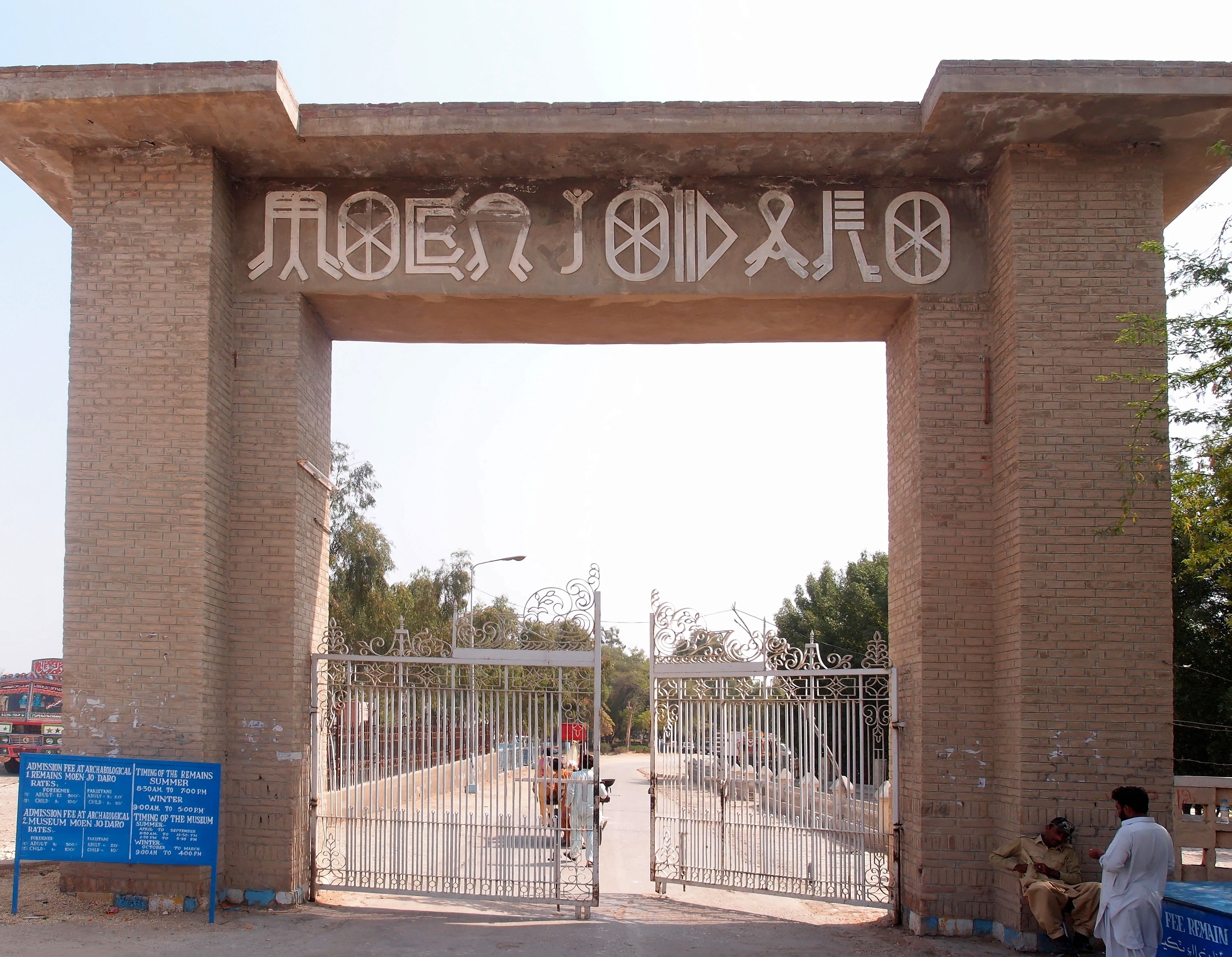
Complex entrance gate and brick structures at Mohenjo-daro archaeological site.
Entrance / gate area at Mohenjo-daroCredit: Saqib Qayyum / CC BY-SA 3.0
Wide view of excavated brick ruins and mounds at Mohenjo-daro.
Excavated ruins on the Mohenjo-daro moundsCredit: Wikimedia Commons photographer / CC BY-SA (see SOURCES.md)
Indus “unicorn” seal or mold showing animal motif and Indus script signs.
Indus “unicorn” seal motif (script undeciphered)Credit: Commons / museum open-access photography (see SOURCES.md)

Key debates and stories

Attributed discovery narratives, debates, and claim histories from named sources. Links open the originals; AnomalyWiki does not verify these claims.

Claims vs mainstream

The claim

The Indus cities prove a mythical lost advanced race or ancient astronaut contact.

Mainstream view

Material culture fits Bronze Age urbanism - bricks, seals, crafts, trade - without evidence of non-human technology.

The claim

Skeletons at Mohenjo-daro prove ancient nuclear war.

Mainstream view

Popular “atomic war” readings are not supported by mainstream archaeology; skeletal assemblages and site histories have conventional forensic and depositional explanations.

The claim

The Indus script has been fully deciphered as a known language.

Mainstream view

No decipherment has gained broad scholarly consensus. The script remains undeciphered; short seal texts limit testing of claims.

The claim

The civilization is legendary rather than archaeological.

Mainstream view

Hundreds of sites, stratified excavations, and museum corpora document a real urban Bronze Age culture.

Timeline

  1. c. 3300–2600 BCEEarly Harappan regional cultures develop toward urban integration.Source: Standard archaeological periodization summaries
  2. c. 2600–1900 BCEMature Harappan urban peak - planned towns, seals, craft specialization, long-distance exchange.Source: Excavation syntheses (Harappa, Mohenjo-daro, and related sites)
  3. 1921–1922Daya Ram Sahni begins major excavations at Harappa; Mohenjo-daro work follows under R. D. Banerji / John Marshall’s ASI program.Source: Archaeological Survey of India excavation history
  4. 1924John Marshall announces the civilization to a wide public as a previously unrecognized Bronze Age culture.Source: Contemporary ASI announcements / Marshall publications
  5. c. 1900–1300 BCELate Harappan transformations - urban decline, regional reorganization; causes debated (climate, rivers, economy).Source: Archaeological decline and climate-proxy literature

FAQ

Was the Indus Valley Civilization real?

Yes. It is a documented Bronze Age archaeological culture with major excavated cities such as Harappa and Mohenjo-daro.

Has the Indus script been deciphered?

No decipherment has broad scholarly consensus. Short inscriptions and missing bilingual keys keep the script unresolved.

Why did the Indus cities decline?

Researchers debate climate change, river course shifts, and economic reorganization across Late Harappan centuries - not a single proven mystical catastrophe.

Is Mohenjo-daro evidence of ancient nuclear war?

Mainstream archaeology rejects that fringe claim. Site and skeletal data are interpreted within ordinary archaeological and forensic frameworks.

Where were the main Indus cities?

Core sites include Harappa (Punjab), Mohenjo-daro (Sindh), Dholavira (Gujarat), and Rakhigarhi (Haryana), among hundreds of related settlements.

How old is the civilization?

Specialist chronologies commonly place Early to Late Harappan phases roughly between about 3300 and 1300 BCE, with Mature urbanism around 2600–1900 BCE.