Short answer
Göbekli Tepe is a Pre-Pottery Neolithic ceremonial complex in Şanlıurfa Province, Turkey, with monumental limestone T-shaped pillars dating roughly 9600–8200 BCE. It is a verified archaeological site and UNESCO World Heritage property. Alternative writers sometimes cast it as proof of lost high civilizations or ancient aliens; mainstream archaeology does not.
Location and access
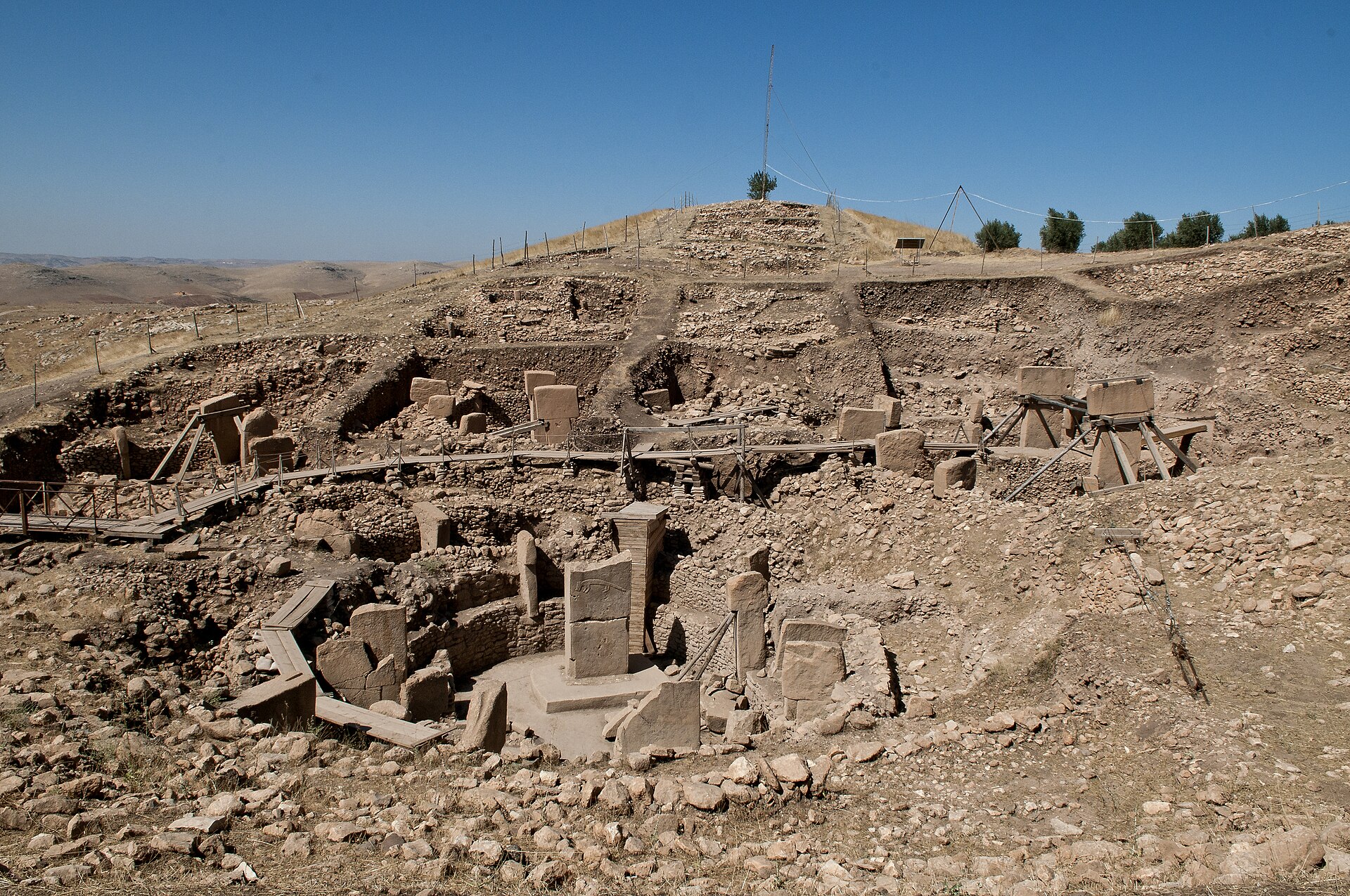
The site sits on a plateau in the Germuş Mountains about 15 km northeast of Şanlıurfa, near Örencik village, at approximately 37.2236° N, 38.9217° E. UNESCO describes Upper Mesopotamia surroundings that once overlooked the Harran Plain.
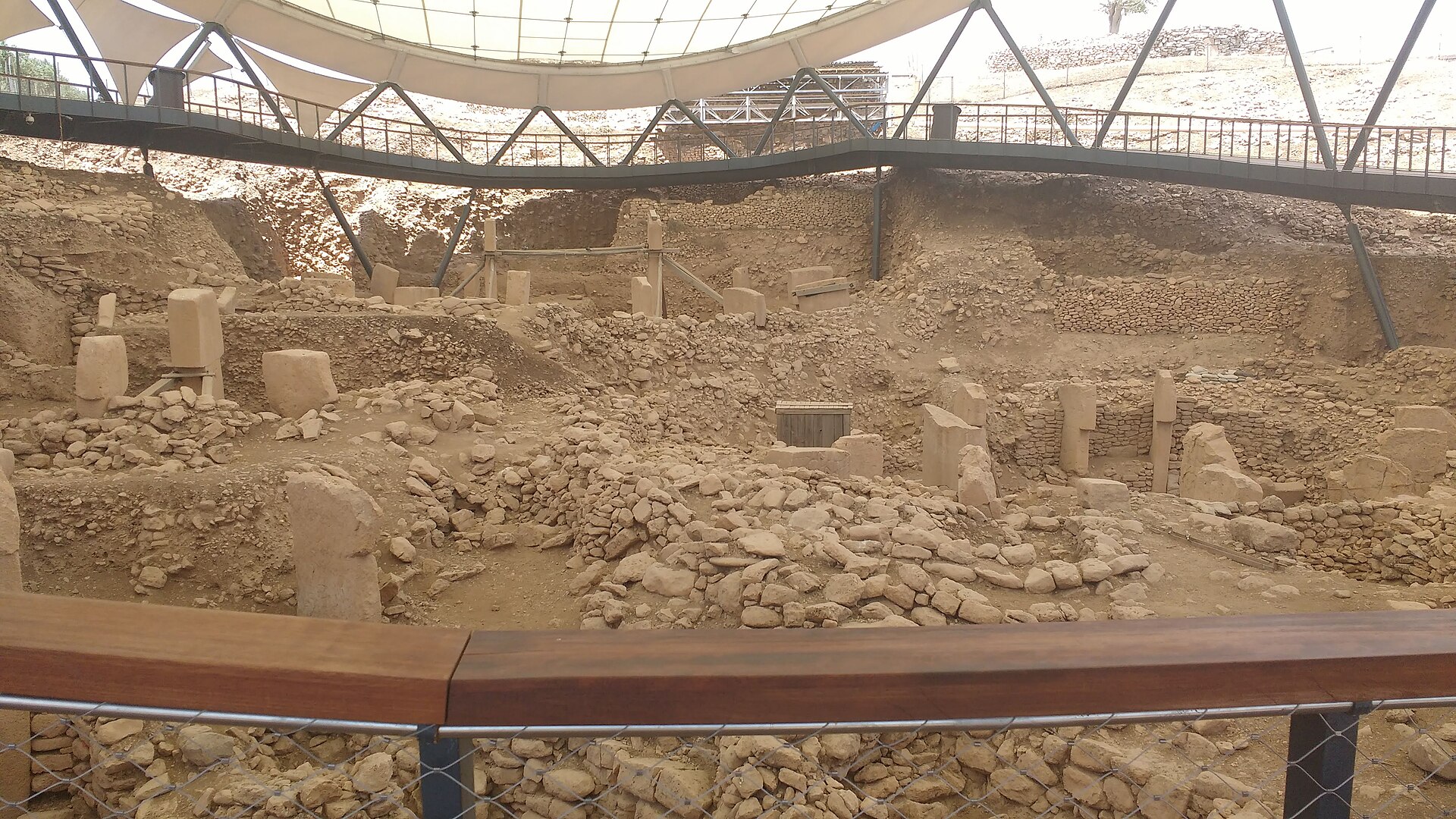
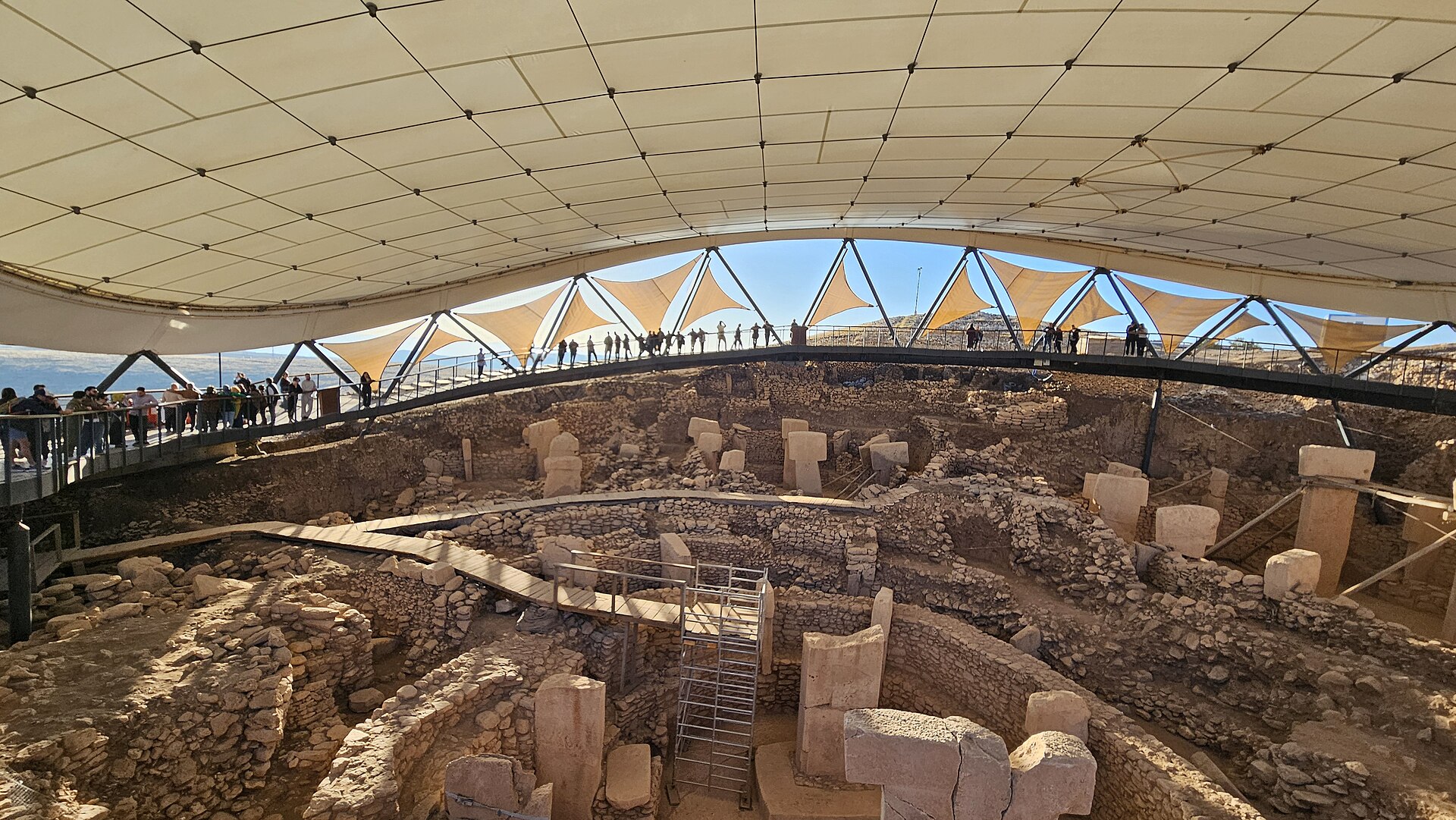
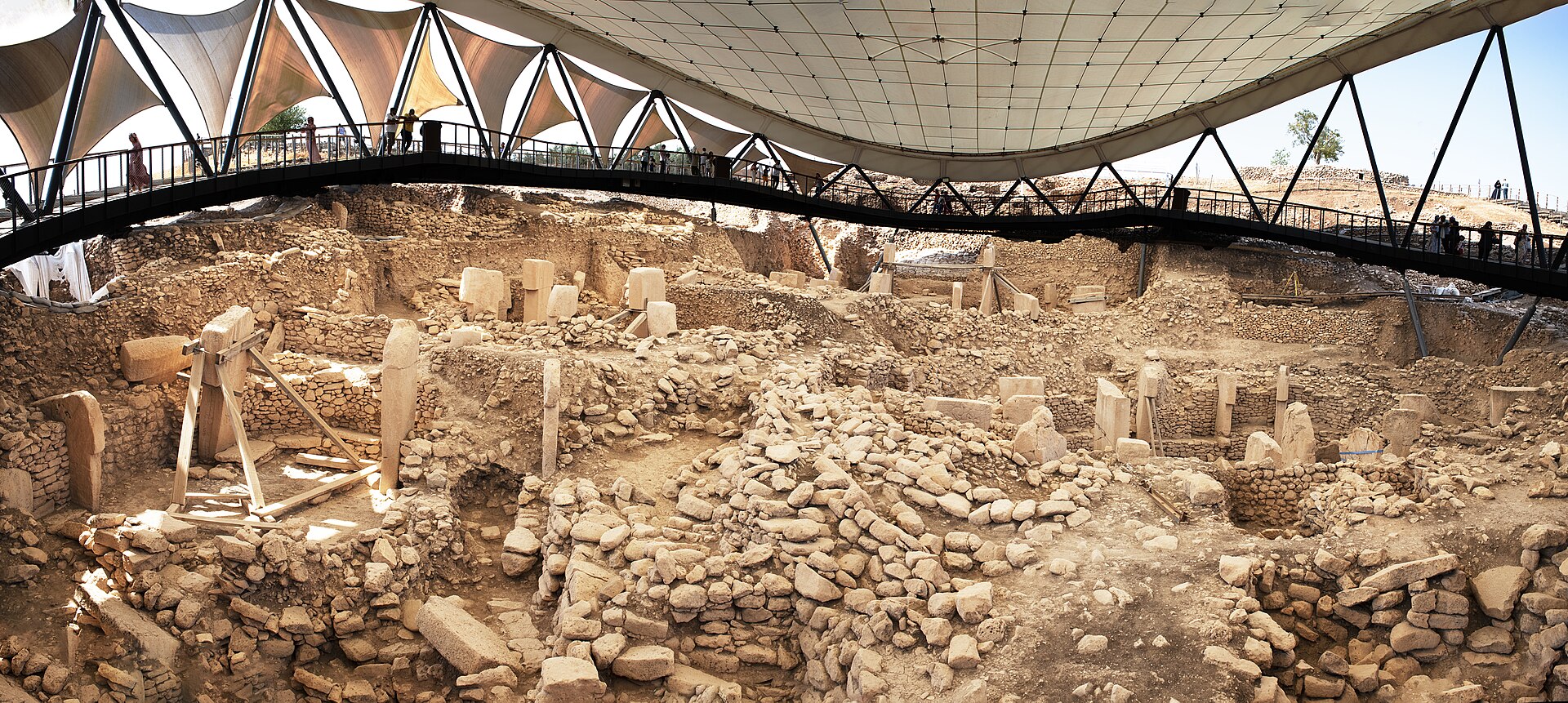
Visitors use the managed archaeology park: ticketed entry, visitor center amenities, and a short shuttle (or walk) to the canopy-covered excavation. Raised walkways keep people off the stones while making enclosure plans readable from above. Rules and hours change - confirm with official Turkish tourism / Ministry of Culture sources before travel.
History and legend
Documented history: A 1963 survey recorded flint-littered knolls. In 1994 Klaus Schmidt identified surface limestone as T-pillar tops comparable to Nevalı Çori. Excavations from 1995 (Şanlıurfa Museum and the German Archaeological Institute) exposed circular and rectangular special buildings with anthropomorphic pillars carved with wild animals. Later work also recovered non-monumental structures interpreted as domestic / settlement evidence, complicating earlier “pure mountain sanctuary” slogans. The site was inscribed on the UNESCO World Heritage List in 2018.
Legend / alternative overlay: Popular books and videos treat the pillars as leftovers of a lost advanced civilization, star-map codes, or catastrophe survivors. Those stories use the real early date as a hook; they are not excavation conclusions.
Evidence and mainstream view
Evidence level: A. The site exists, is extensively published, and is under active research.
Mainstream consensus: Documented Pre-Pottery Neolithic monumental architecture - extraordinary for its age, not proof of ancient aliens or industrial precursor cultures.
| Claim | Mainstream view |
|---|---|
| Lost advanced civilization | Fits Early Holocene Neolithic context; no industrial tech recovered |
| Pillars encode secret astronomy | Iconography is studied; sensational “decodes” remain speculative |
| Catastrophe survivors built it | Not required by the excavation record |
| “Temple first” proves overnight invention of civilization | Ritual buildings matter; settlement evidence also exists - debate is nuanced |
Timeline
- c. 9600–8200 BCE — Monumental T-pillar enclosures built and used in the Pre-Pottery Neolithic (UNESCO / project dating frameworks).
- 1963 — Chicago–Istanbul survey notes the tell.
- 1994–1995 — Schmidt recognizes monumental remains; excavations begin.
- 2014 — Schmidt dies; Turkish–German research continues.
- 2018 — UNESCO World Heritage inscription.
Reports and stories
Attributed discovery and framing accounts are summarized in the structured attributedAccounts cards above (Schmidt recognition, UNESCO OUV text, and the popular alternative-history overlay). They are claims and institutional framings with source links - not verdicts that Göbekli Tepe is “mystical” or “debunked.”
Related places and beings
- Related places: Hessdalen Valley, Blood Falls, Eastern State Penitentiary, plus planned megalithic siblings such as Karahan Tepe, Çatalhöyük, and Nabta Playa.
- Cross-category: Antikythera mechanism - another case where real ancient engineering attracts extraordinary popular claims.
- Parent hub (planned): megaliths.
In popular culture
Göbekli Tepe appears in mainstream archaeology documentaries, tourism campaigns (Turkey declared a “Göbeklitepe Year” around the UNESCO listing era), and alternative-history media that treat the site as a smoking gun for lost civilizations. Popular framing often flattens active scholarly debate into a single “historians are wrong” storyline.
FAQ
What is Göbekli Tepe? A Pre-Pottery Neolithic archaeological site in southeastern Turkey with monumental T-shaped limestone pillars, dated roughly to the 10th–9th millennia BCE and listed by UNESCO as World Heritage.
Was it built by ancient aliens or a lost high-tech civilization? No credible excavation evidence supports that. Mainstream archaeology places the site in the Early Holocene Near Eastern Neolithic.
How old is it? Project and UNESCO summaries place monumental enclosures roughly 9600–8200 BCE.
Can you visit? Yes - managed park near Şanlıurfa with walkways and canopy. Confirm current visitor rules.
Who discovered it? Noted in 1963; monumental significance recognized by Klaus Schmidt in 1994; excavations from 1995.
Why the fringe attention? Early monumental architecture challenges older textbook timelines, which popular writers often stretch into catastrophe or ancient-astronaut narratives.
Sources
Primary and project sources first: UNESCO listing 1572; DAI Göbekli Tepe project pages and The Tepe Telegrams research blog; visitor guidance from Taş Tepeler / official site channels. Prefer excavation publications over viral videos when checking specific pillar claims.