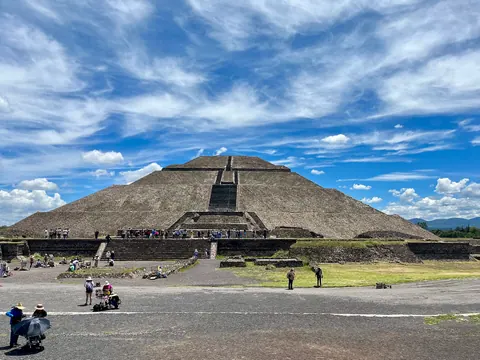
Overview
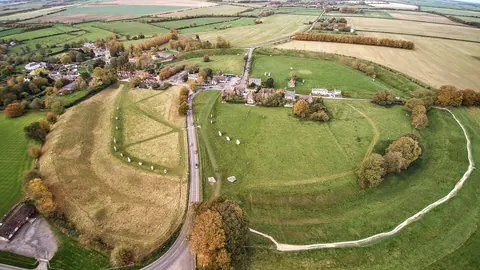
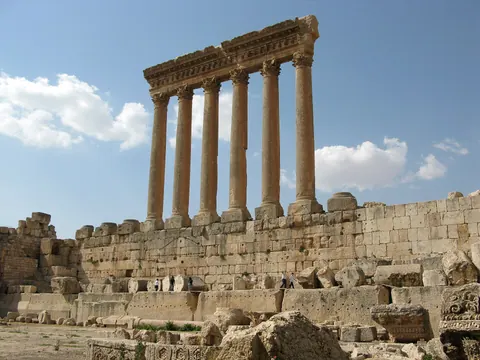
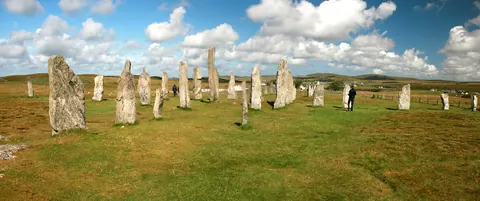
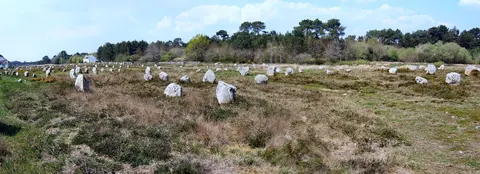
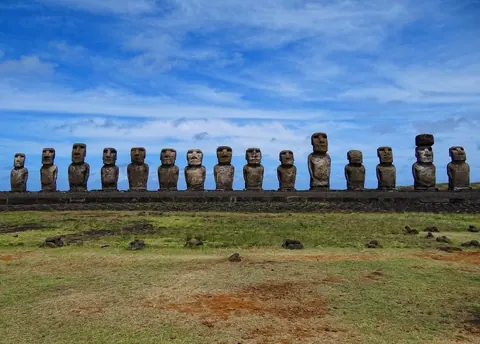
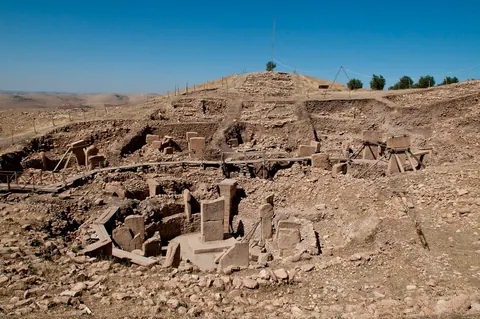
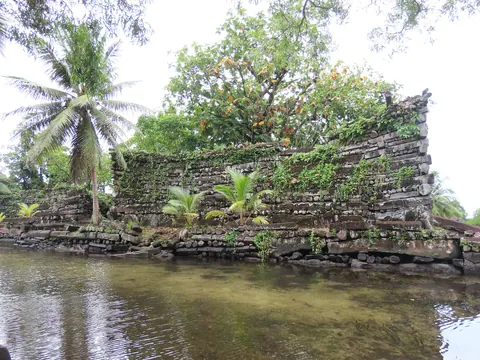
Stone monuments older than writing still stop people mid-step. At Göbekli Tepe in southeastern Turkey, T-shaped pillars carved with animals mark a Pre-Pottery Neolithic ceremonial landscape. Newgrange in Ireland catches the winter-solstice sunrise through a roof-box. Stonehenge and Avebury shape England's chalk downs; Carnac and Callanish stretch rows and rings across Brittany and the Outer Hebrides. Farther afield, Rapa Nui's moai, Teotihuacan's avenues, Sacsayhuamán's polygonal walls, Baalbek's megalithic podium blocks, and Nan Madol's basalt islets keep the same tension alive: extraordinary craftsmanship meets extraordinary storytelling.
Mainstream archaeology dates, digs, and compares these places as human projects - ritual centers, tombs, cities, and status architecture. Alternative writers often recast the same stones as lost high technology or paleocontact. The excavated answers - quarries, sledges, ramps, workers' villages - often turn out stranger and more impressive than the myths.
Older than anyone expected
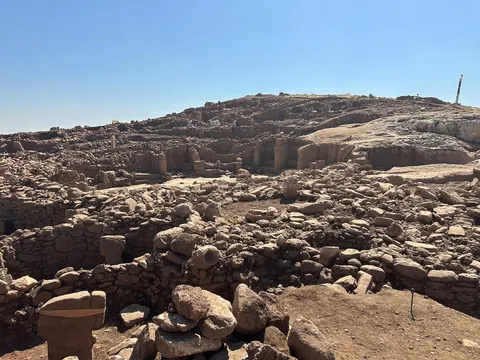
The biggest surprise of the last half-century came from southeastern Turkey. Göbekli Tepe, dated roughly 9600-8200 BCE, and its neighbor Karahan Tepe show hunter-gatherers carving monumental pillars before farming had fully taken hold. That turned an old assumption upside down: big ritual architecture may have helped create settled life rather than the other way around. Lost-civilization writers read the same evidence as a relic of a vanished advanced culture; the excavators see skilled Stone Age builders.
Sky, sun, and stone
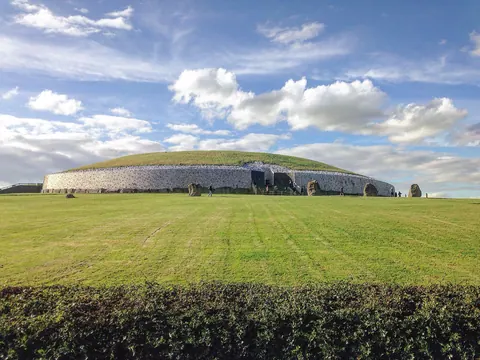
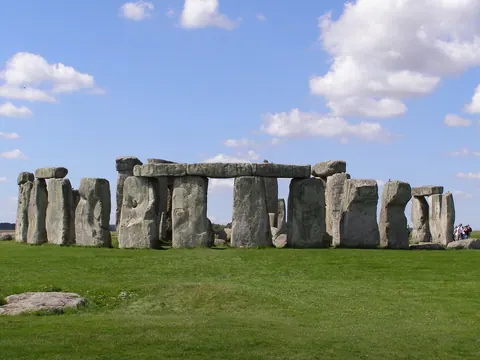
Many megaliths watch the sky. At Newgrange, built around 3200 BCE, the winter-solstice sunrise slides through a roof-box and lights the burial chamber for about seventeen minutes. Stonehenge frames the solstice sunrises and sunsets, and the Callanish Stones may track the moon's long cycle across Hebridean hills. These alignments are deliberate engineering, worked out by people who watched the horizon for generations.
How did they move them?
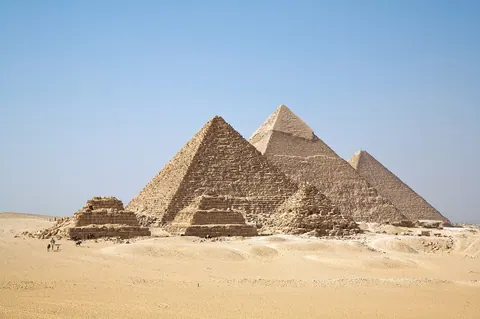
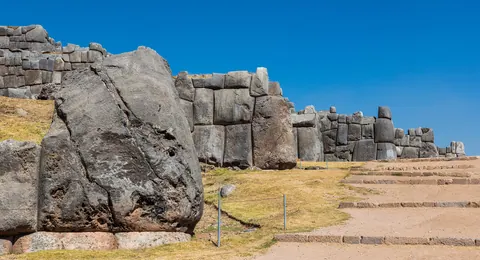
The question that powers most alien-builder theories has practical answers. Workers' barracks and bakeries at Giza point to paid, rotating crews. A 2012 experiment rocked a multi-ton replica moai upright and "walked" it with ropes, echoing Rapa Nui oral tradition. At Baalbek, quarry blocks of up to 1,650 tonnes still lie where Roman engineers left them. At Sacsayhuamán, Spanish chronicles describe Inca labor under Pachacuti raising the zigzag walls.
At a glance
| Site | Where | Built (approx.) |
|---|---|---|
| Göbekli Tepe | Şanlıurfa, Turkey | 9600-8200 BCE |
| Karahan Tepe | Şanlıurfa, Turkey | about 10,000 years ago |
| Carnac Stones | Brittany, France | from about 4600 BCE |
| Newgrange | County Meath, Ireland | about 3200 BCE |
| Stonehenge | Wiltshire, England | about 3000-1600 BCE |
| Callanish Stones | Isle of Lewis, Scotland | about 2900-2600 BCE |
| Avebury | Wiltshire, England | about 2850-2200 BCE |
| Pyramids of Giza | Giza, Egypt | about 2560 BCE (Great Pyramid) |
| Baalbek | Bekaa Valley, Lebanon | first century CE (Roman podium) |
| Teotihuacan | State of Mexico, Mexico | Classic-era city |
| Nan Madol | Pohnpei, Micronesia | from about 1180 CE |
| Easter Island | Rapa Nui, Chile | about 1250-1500 CE |
| Sacsayhuamán | Cusco, Peru | from the 1440s |
Related hubs
FAQ
What is a megalith? A large stone used in a monument - a standing stone, a ring, a passage tomb, or a wall of giant fitted blocks. The word comes from Greek for "great stone."
Did aliens build these monuments? Mainstream archaeology treats them as human projects. Alternative paleocontact claims appear as attributed theories, not as equal to the dig record.
Why is Göbekli Tepe so famous? Its early Neolithic date and carved T-pillars challenged older assumptions about when complex ceremonial architecture could appear.
Are Stonehenge and Avebury the same site? No. Both sit on Wiltshire chalk downs and share a UNESCO listing, but they are distinct monuments with different scales and layouts.
How should visitors approach these sites? Many are ticketed heritage landscapes with conservation rules. Respect barriers, solstice crowds, and local guidance - the stones outlast any one photo.
Sources
- UNESCO, Stonehenge, Avebury and Associated Sites - https://whc.unesco.org/en/list/373/
- Turkish Museums overview materials for Göbekli Tepe - https://muze.gov.tr/muze-detay?SectionId=SGT01&DistId=SGT
- Megalith (Wikipedia lead index) - https://en.wikipedia.org/wiki/Megalith