Beings
Aliens, cryptids, spirits and creatures of myth. Each entry separates what witnesses and folklore describe from what has been documented.
 AI ILLUSTRATION
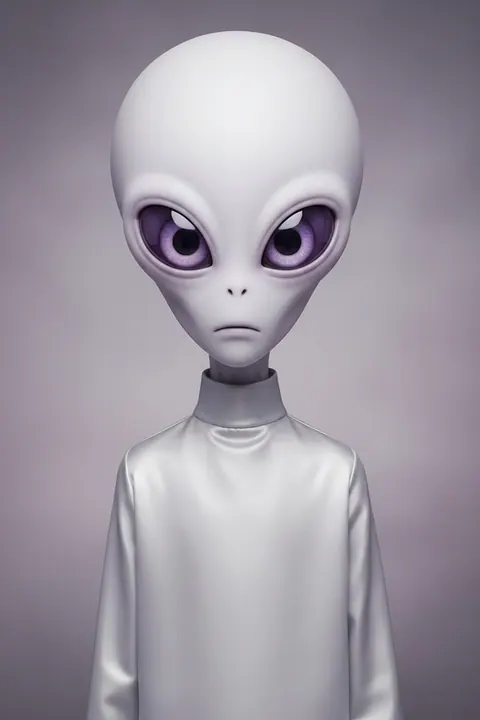
Arcturians
Arcturians are a New Age folklore type: channeled healers and teachers said to come from the real star Arcturus. Edgar Cayce called Arcturus a soul "stargate"; 1980s–90s books added walk-in and civilization lore. Scholars treat the beings as trance literature, not confirmed extraterrestrial biology.
 AI ILLUSTRATION
Banshee
The banshee (Irish bean sí) is a supernatural death-messenger whose keening wail was said to foretell a death in an old Gaelic family, especially one with Ó or Mac surnames. Folklorists link her cry to human caoineadh lament at wakes. Scholars treat the figure as Irish oral tradition, not a creature awaiting biological proof.
 AI ILLUSTRATION
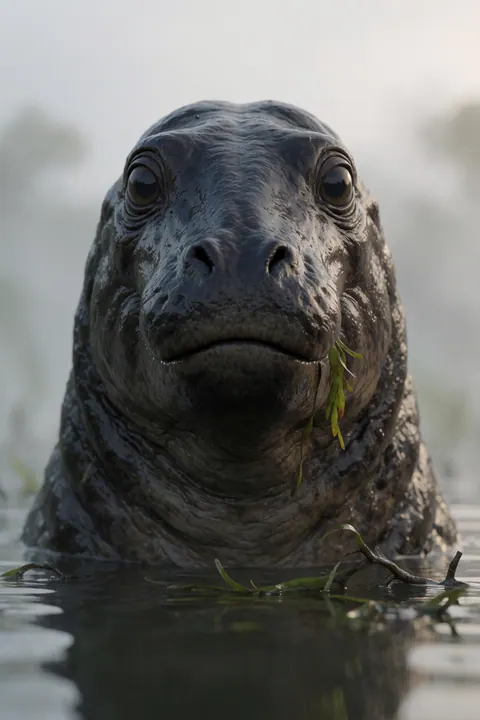
Bunyip
Bunyip is an English-language label for diverse Aboriginal Australian water spirits and monsters, flattened by colonial newspapers into one “lake devil.” Settler accounts from the 1840s onward mix fear, misidentified seals, and circus hoaxes. Anthropologists treat bunyip as many traditions, not a single zoological animal.
 AI ILLUSTRATION
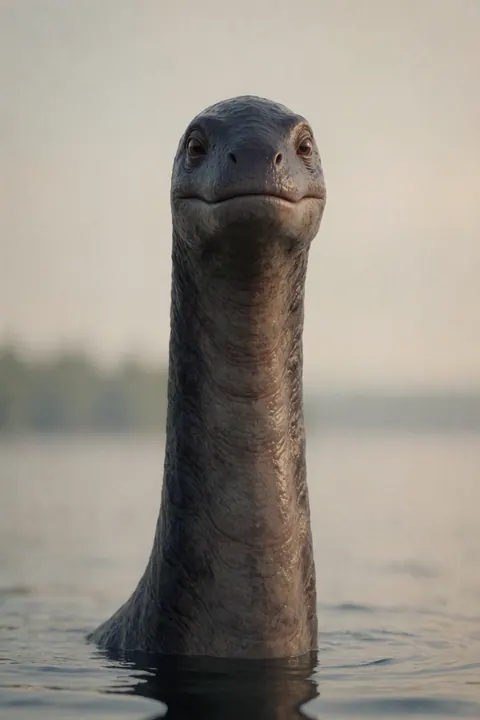
Champ
Champ is the long-necked lake monster said to live in Lake Champlain between New York, Vermont, and Quebec. Sandra Mansi’s 1977 photo and decades of boat sightings fuel tourism; biologists favor sturgeon, logs, or waves. Samuel de Champlain’s “sea serpent” diary line is often misquoted.
 AI ILLUSTRATION
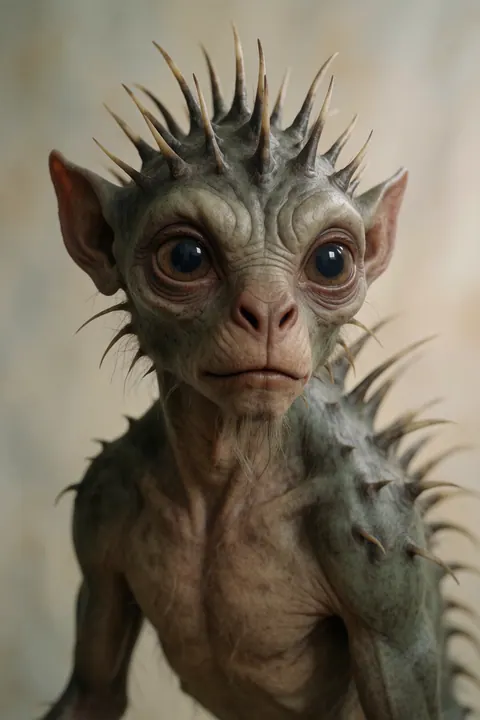
Chupacabra
The chupacabra - Spanish for “goat sucker” - exploded in Puerto Rican headlines in 1995 when farmers found goats and poultry dead with puncture wounds and little blood left. Witnesses described a spiky-backed biped near Canóvanas, while later U.S. carcasses tested as mangy coyotes. Mainstream analysts treat the classic monster as late-twentieth-century folklore amplified by tabloid press.
 AI ILLUSTRATION
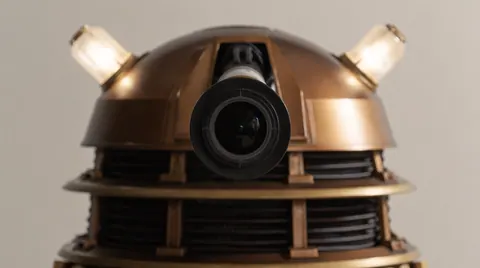
Daleks
Daleks are the armored, xenophobic mutants of BBC Doctor Who, rolling in pepper-pot travel machines and shouting "Exterminate!" Created for television in 1963, they became one of science fiction's most copied villains. Mainstream view: licensed fiction and costume design, not a real species.
 AI ILLUSTRATION
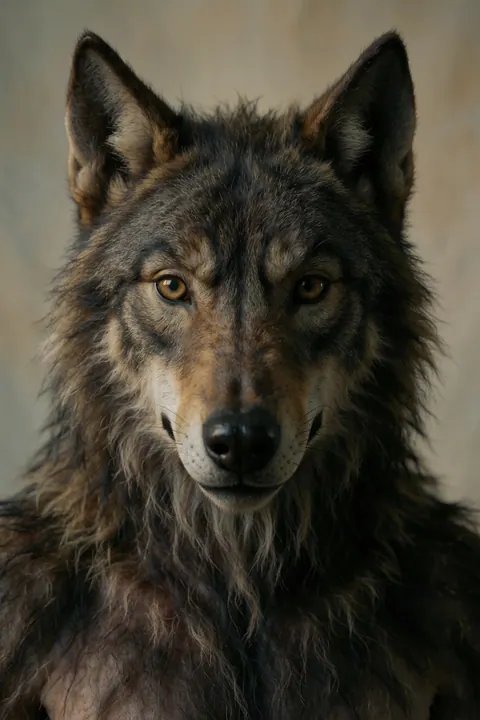
Dogman
Dogman names a bipedal wolf- or dog-headed figure in Great Lakes cryptid lore, launched into wide circulation when Steve Cook's 1987 WTCM April Fools' song drew same-day listener sightings. Mainstream analysts treat it as media-fed folklore and misidentified canids; Linda Godfrey's 1991 Beast of Bray Road reporting spread a parallel Wisconsin strand.
 AI ILLUSTRATION
Doppelgänger
A doppelgänger is someone's exact double - an omen of crisis in Germanic folklore and a recurring motif in Romantic literature. Goethe, Shelley, and later psychology borrowed the shiver of seeing yourself where you should not be. Mainstream views treat doubles as narrative and perceptual phenomena, not a second body walking around.
 AI ILLUSTRATION
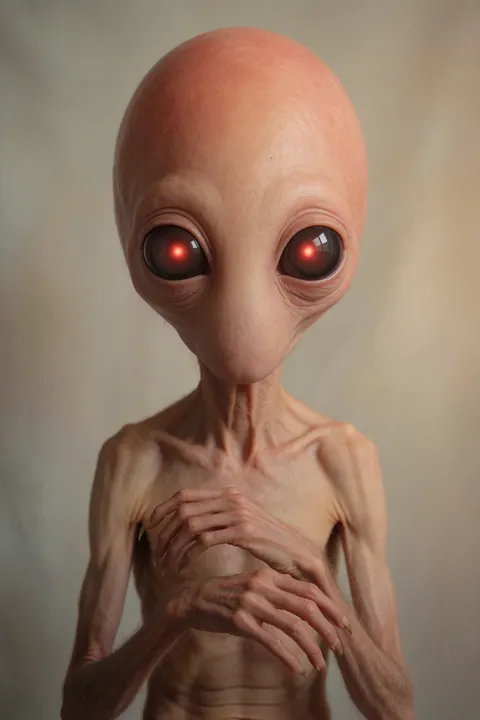
Dover Demon
The Dover Demon is a peach-skinned, big-headed figure reported by teenagers in Dover, Massachusetts, over two nights in April 1977. Cryptozoologist Loren Coleman coined the name after investigating the flap. Mainstream readers favor misidentified animals or hoax; the wall-crawler sketches still define a classic New England mini-mystery.
 AI ILLUSTRATION
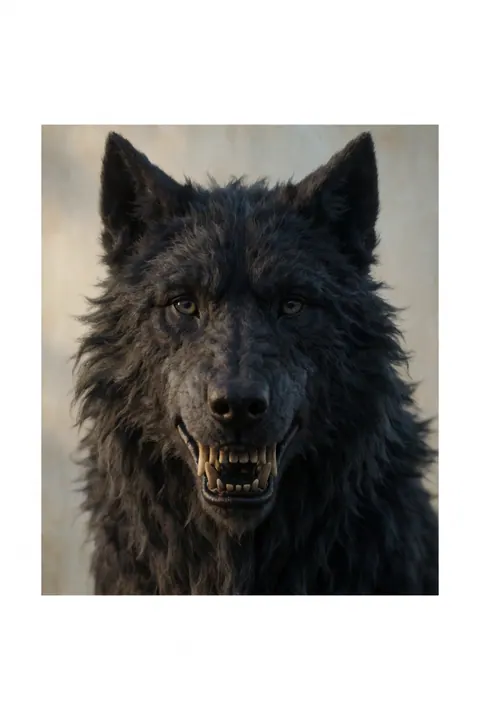
Fenrir
Fenrir is the bound wolf of Norse myth, a son of Loki destined to break free at Ragnarök and slay Odin. Poetic Edda and Prose Edda texts describe gods raising him, failing to trust him, and chaining him with the magic fetter Gleipnir. Scholars treat Fenrir as eschatological symbol, not a Pleistocene wolf fossil.
 AI ILLUSTRATION
Flatwoods Monster
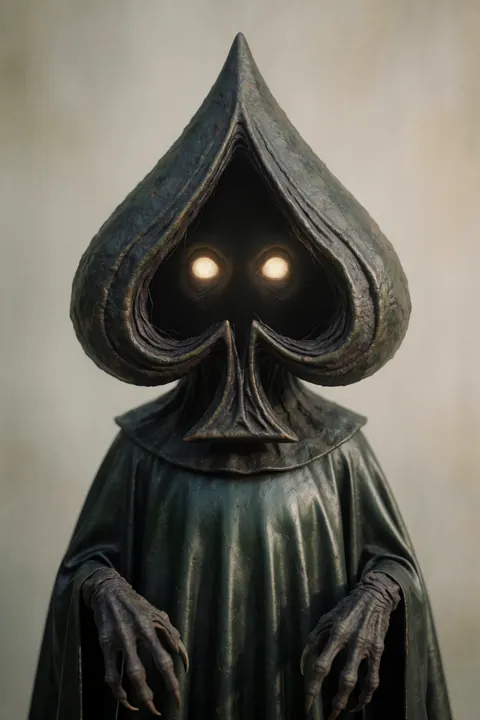
The Flatwoods Monster is a tall, hooded figure with a spade-shaped head that seven people reported on Fisher Hill near Flatwoods, West Virginia, on 12 September 1952, after a fireball crossed the sky. Witnesses described a hiss and acrid mist. Mainstream analysts favor a meteor plus a startled barn owl over a verified armored entity.
 AI ILLUSTRATION
Fresno Nightcrawler
Fresno Nightcrawlers are pale, long-legged figures from a 2007 home-security clip in Fresno, California, plus a similar 2011 Yosemite snow video. Mainstream readers treat them as costumes, puppets, or hoax; cryptid fans keep the “walking white legs” gait iconic. The footage, not eyewitness lore, drives the legend.
 AI ILLUSTRATION
Greys
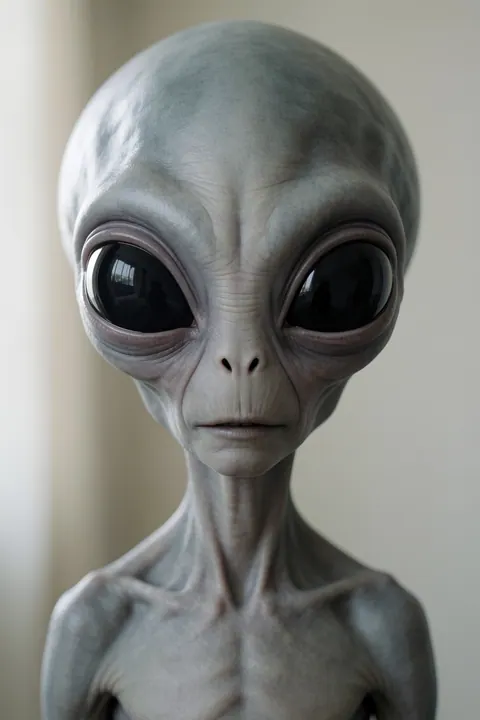
Greys are small, large-headed humanoids with wraparound black eyes at the center of late-twentieth-century UFO abduction lore. Psychologists and historians treat the look as a contagious visual template from hypnosis-era testimony, bestseller memoirs, and screen design - not as a verified species or recovered specimen. Hill-case sketches and later film helped fix the silhouette in public memory.
 AI ILLUSTRATION
Gumiho
Gumiho (kumiho) is a nine-tailed fox spirit of Korean folklore, often dangerous and hungry for human liver or life force in classic tales. Modern dramas sometimes romanticize the figure, but traditional stories warn about shapeshifting foxes. Scholars class gumiho as narrative folklore, not a real animal.
 AI ILLUSTRATION
Hat Man
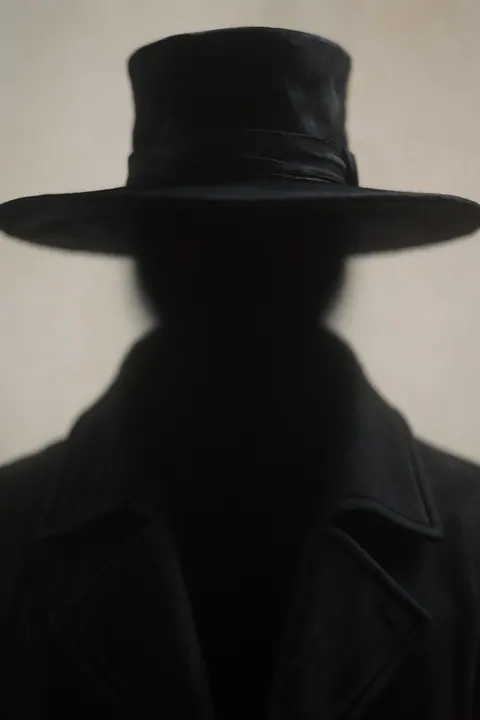
The Hat Man is a recurring bedroom shadow figure in a wide-brimmed hat, often linked to sleep paralysis and “bedroom intruder” hallucinations. Psychologists treat the silhouette as a cultural variant of hypnagogic imagery, while paranormal forums treat it as a distinct watcher. A vivid beat: tall coat, void face under the brim, standing at the foot of the bed.
 AI ILLUSTRATION
Hopkinsville Goblins
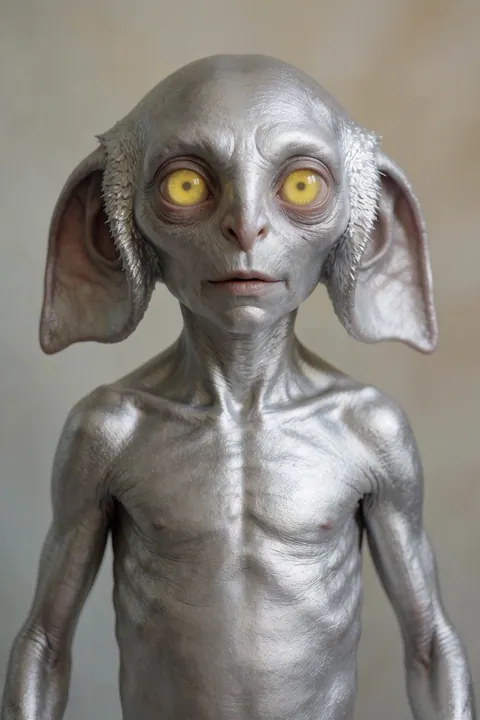
Hopkinsville goblins are the small, metallic humanoids from the Kelly, Kentucky farmhouse siege of 21–22 August 1955. Eleven Sutton and Taylor relatives told police that clawed figures with glowing eyes besieged their home until gunfire drove them back. Mainstream analysts treat the night as a documented panic with no recovered beings, while ufologists keep it as a classic close encounter.
 AI ILLUSTRATION
Jackalope
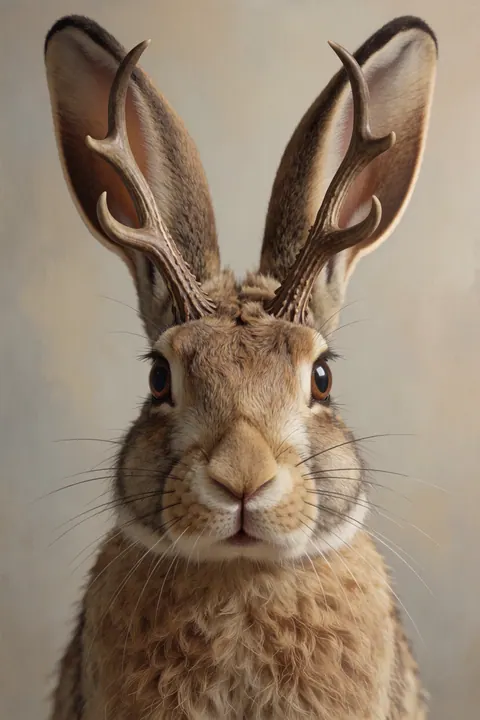
The jackalope is a horned jackrabbit of American West tall-tale culture, born from 1930s Wyoming taxidermy jokes sold as souvenirs. Douglas, Wyoming, turned the gag into town mythology and festival branding. Biologists classify it as folklore and deliberate hoax mounts, not a living species.
 AI ILLUSTRATION
Jersey Devil
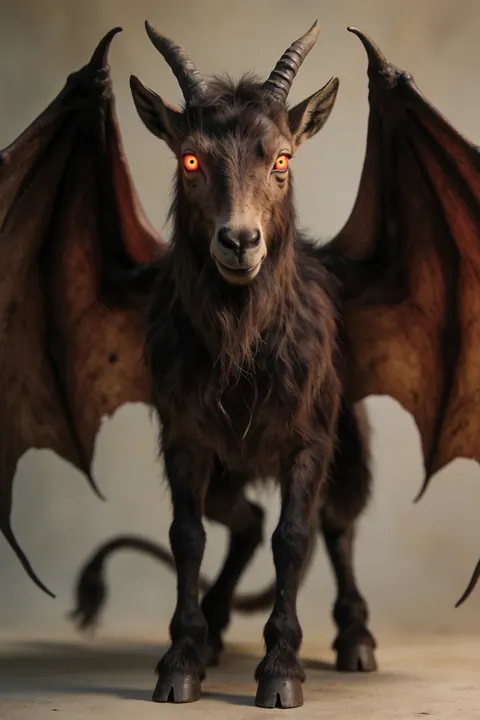
The Jersey Devil is a winged, hoofed monster of New Jersey Pine Barrens folklore, often tied to Mother Leeds and the colonial Leeds family. Historians trace the tale through Quaker feuds and almanac wars; January 1909 newspapers spread hoofprint panic across South Jersey. Mainstream views treat it as legend, hoax, and misidentification - not a verified species.
 AI ILLUSTRATION
Jiangshi
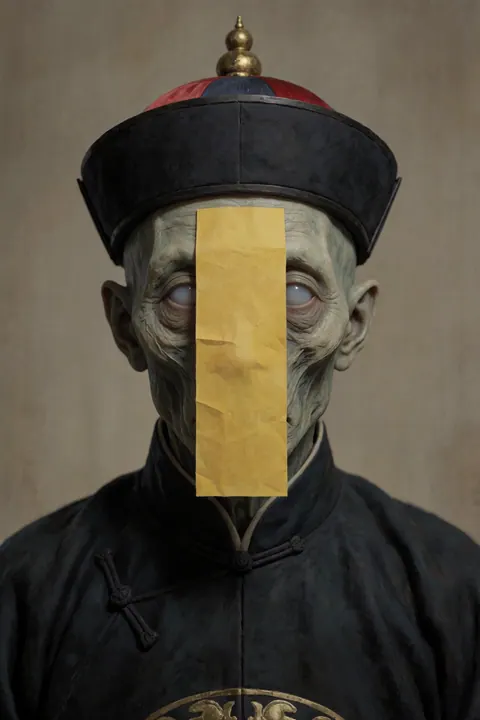
Jiangshi are Chinese revenants of folklore - stiff, hopping corpses tied to failed burial rites and the draining of life force (qi). Qing-era robes and Taoist paper talismans dominate modern cinema image. Scholars treat them as ritual and literary tradition, not biology; Hong Kong horror fixed the outstretched arms and hop in global pop culture.
 AI ILLUSTRATION
Kappa
Kappa are child-sized river yōkai in Japanese folklore - green skin, turtle beak, webbed hands, and a water-filled dish (sara) on the head that holds their strength. Scholars treat them as tradition, not biology, yet drowning warnings, cucumber offerings, and Edo print art keep the imp vivid along Japan's rivers.
 AI ILLUSTRATION
Kelpie
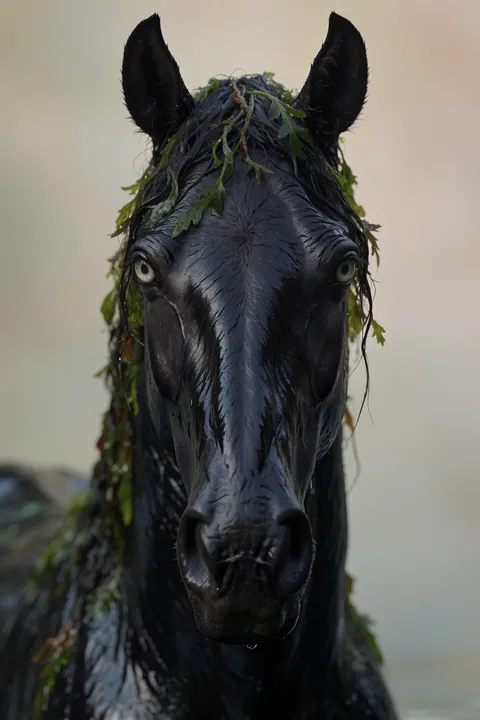
Kelpies are Scottish water-horse spirits said to lure riders onto their backs, then drag them into lochs to drown. Folklore collections from the 1800s describe black wet horses with adhesive hides and uncanny strength. Modern scholars treat them as cautionary water tales, not biological animals.
 AI ILLUSTRATION
Kitsune
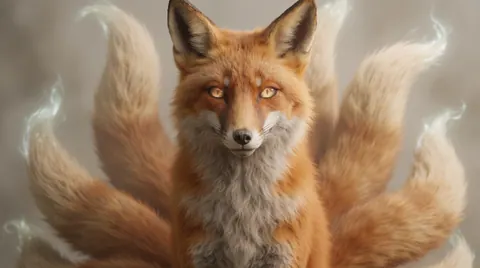
Kitsune are fox spirits (yokai) in Japanese folklore - shapeshifters, illusionists, and companions of the kami Inari. Tales range from shrine messengers (zenko) to wild tricksters (yako) and stories of fox possession (kitsune-tsuki). They remain a living thread in religion, literature, and popular culture.
 AI ILLUSTRATION
Klingons
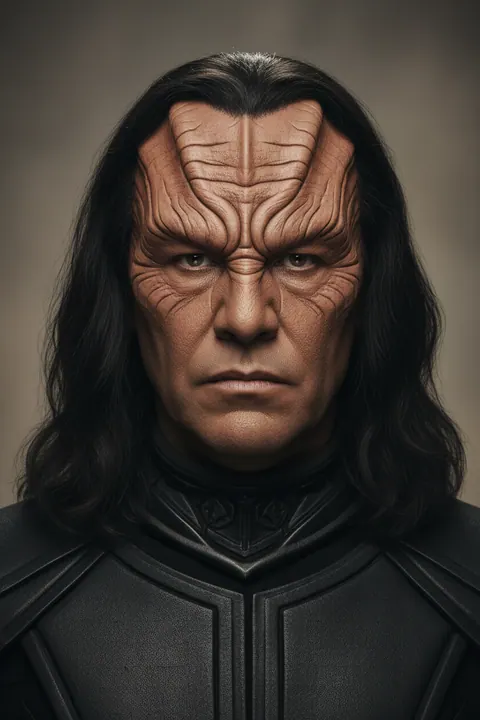
Klingons are the ridged-brow warrior culture of Star Trek, obsessed with honor, combat, and opera. Gene Roddenberry's 1960s show cast them as Cold War foils; later makeup gave them forehead ridges and a fully developed language. They are Paramount franchise fiction, not UFO contact lore.
 AI ILLUSTRATION
Little Green Men
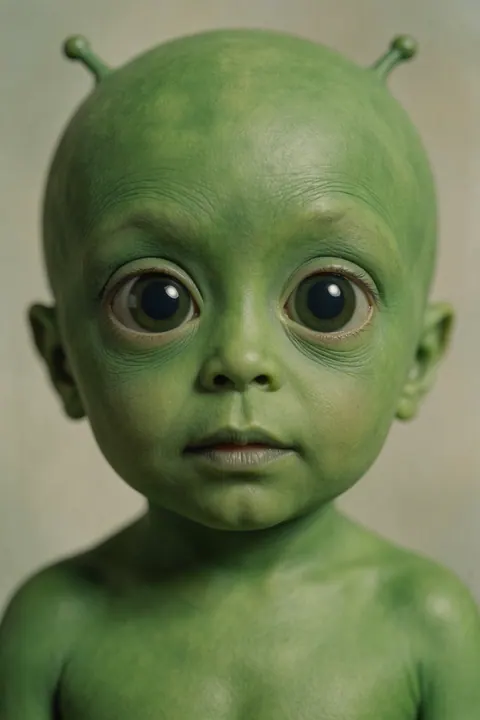
Little green men are a mid-century American pulp and newspaper cliché for small alien visitors - bright green skin, big heads, cartoon menace. The phrase predates the 1955 Kelly–Hopkinsville flap; reporters later painted those silvery “little men” green. Mainstream histories treat LGM as media slang, not a stable witness type.
 AI ILLUSTRATION
Mantis Aliens
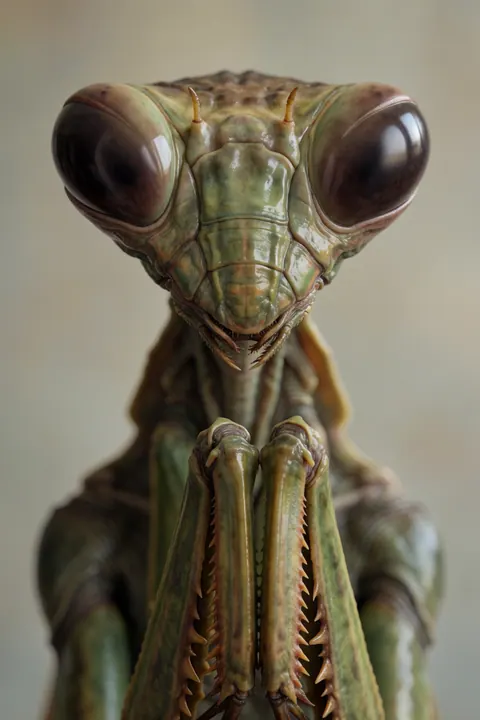
Mantis aliens are tall, insectoid figures in UFO abduction lore - triangular heads, folded forelimbs, and wraparound eyes - often cast as overseers beside Greys. The look spread through Karla Turner's 1990s books and David Jacobs's later "insectalin" typology. Mainstream researchers treat them as hypnotic testimony and modern folklore, not a verified species.
 AI ILLUSTRATION
Medusa
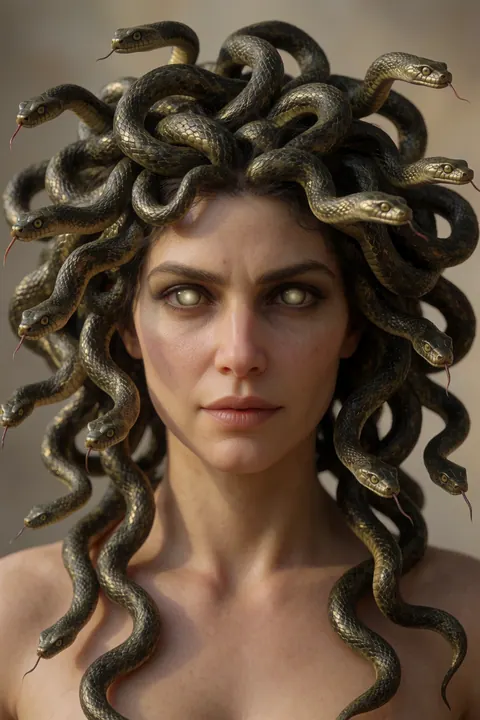
Medusa is the snake-haired Gorgon of Greek myth whose gaze turns onlookers to stone in the most famous retelling. Hesiod makes her one of three Gorgon sisters; later poets and artists cast her as the slain monster whose head Perseus carries. Classicists treat her as mythology and symbol, not a living cryptid.
 AI ILLUSTRATION
Mongolian Death Worm
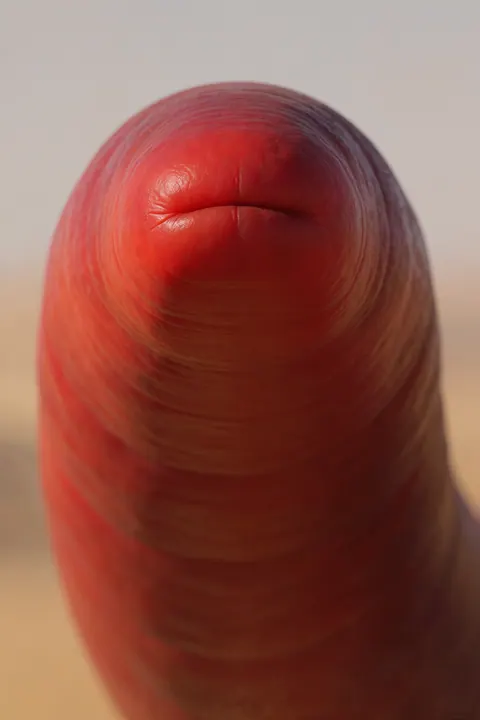
The Mongolian death worm (olgoi-khorkhoi) is a bright red, limbless sand-dweller of Gobi folklore, said to kill with venom or an electric jolt. Western explorers spread the tale through secondhand Mongolian accounts, not field specimens. Folklorists and biologists treat it as unverified desert lore, though expeditions still hunt a biological explanation.
 AI ILLUSTRATION
Mothman
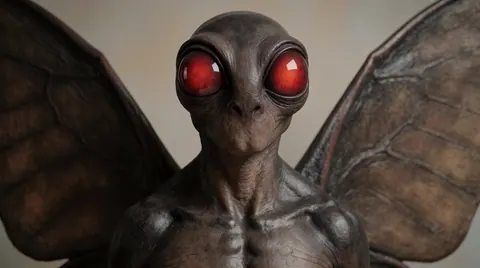
Mothman is a winged, humanoid figure reported around Point Pleasant, West Virginia, in 1966-67. Local newspaper sightings near the TNT munitions area, the December 1967 Silver Bridge collapse, and later books and film turned a regional flap into one of America's most enduring cryptid legends.
 AI ILLUSTRATION
Na'vi
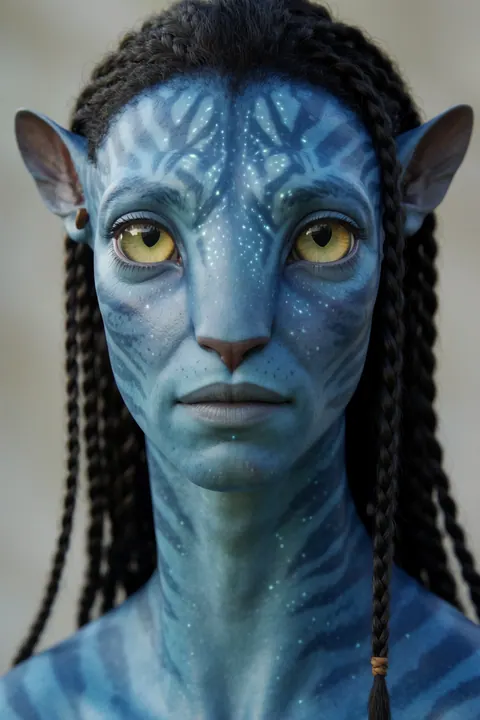
The Na'vi are tall, blue-skinned humanoids from James Cameron's Avatar, linked to Pandora's ecosystem through a neural queue bond called tsaheylu. Mainstream view: this is 20th Century Studios film fiction built for blockbuster visual effects, not a documented exoplanet species or real-world contact account.
 AI ILLUSTRATION
Nordic Aliens
Nordic aliens are tall, fair-featured humanoids from mid-century contactee lore, cast as benevolent Space Brothers who warn about nuclear war. George Adamski's claimed 20 November 1952 Desert Center meeting with a Venusian later called Orthon fixed the template. Historians treat the type as modern folklore, not verified biology.
 AI ILLUSTRATION
Owlman
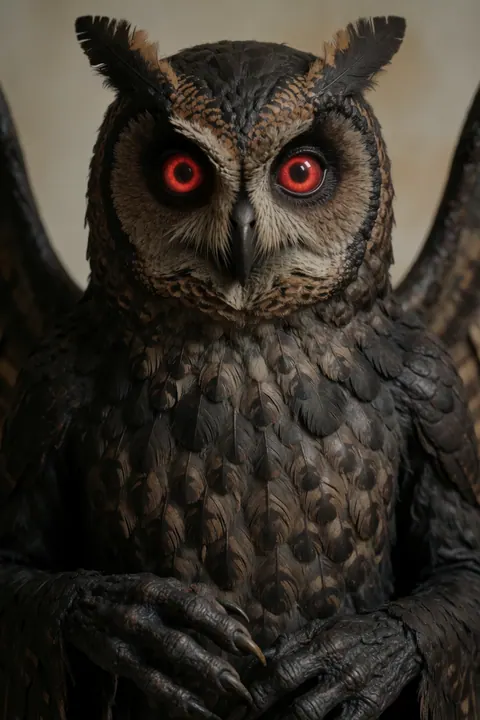
Owlman is a winged, owl-headed figure reported near Mawnan Smith, Cornwall, in 1976. Two girls near Mawnan churchyard started the flap; promoter Tony “Doc” Shiels publicized later sightings. Skeptics cite eagle owls or hoax; the case mirrors Mothman tourism more than zoology.
 AI ILLUSTRATION
Phoenix
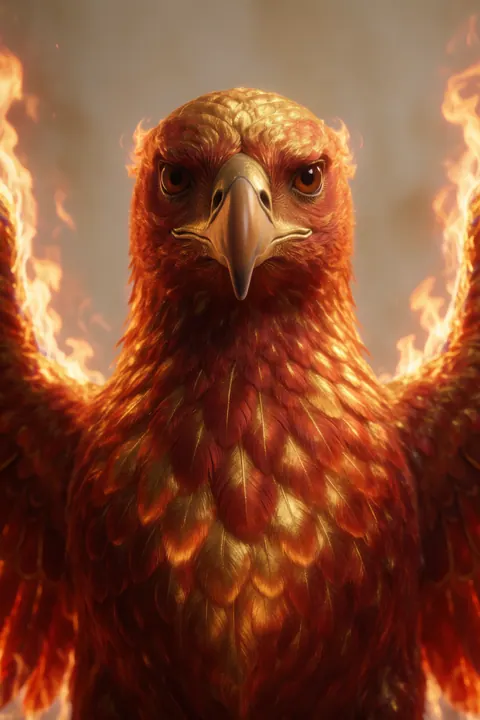
The phoenix is the immortal firebird of Greco-Roman and Egyptian reception - dying in flame and rising from ash as a symbol of renewal. Herodotus, Pliny, and later bestiaries describe a rare Arabian bird with gold and red plumage. Classicists separate this Mediterranean phoenix from the Chinese fenghuang and from Arizona's Phoenix Lights UFO case.
 AI ILLUSTRATION
Pleiadians
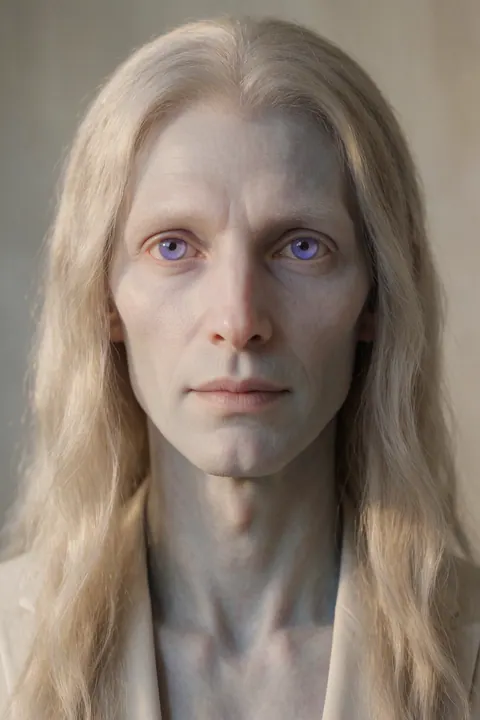
Pleiadians are fair, blond humanoids in New Age and contactee lore, said to hail from the Pleiades star cluster. Swiss contactee Billy Meier popularized visitor Semjase; channeler Barbara Marciniak's Bringers of the Dawn (1992) spread star-family spirituality. Mainstream scholars treat the label as UFO folklore, not verified biology.
 AI ILLUSTRATION
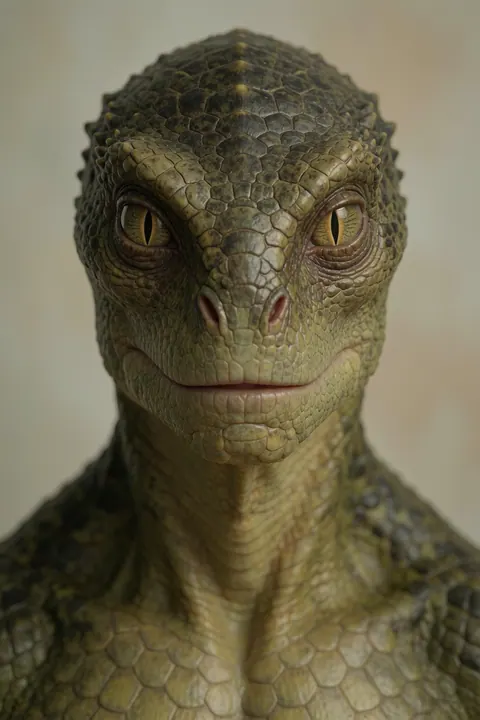
Reptilians
Reptilians are shapeshifting lizard humanoids in late-20th-century conspiracy lore, popularized by David Icke's books and lectures as hidden rulers wearing human guise. Scholars treat the type as modern folklore and meme culture, not verified biology or documented infiltration; viral "glitch" videos and hoax transcripts remain disputed.
 AI ILLUSTRATION
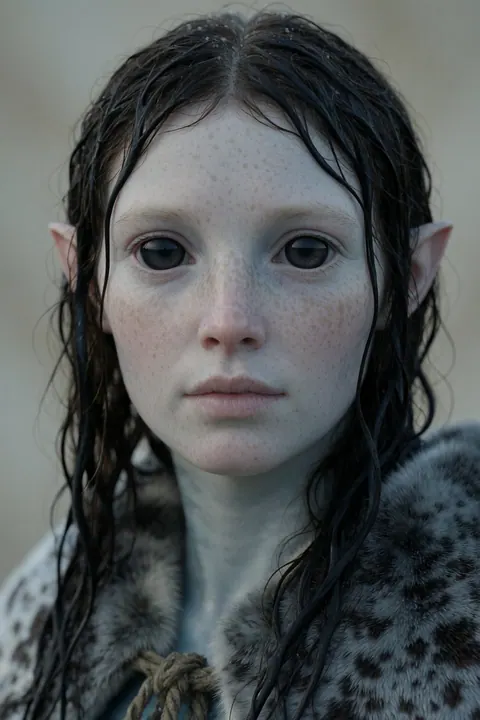
Selkie
Selkies are seal-people of Orkney, Shetland, and wider Scottish-Irish folklore who shed their skins to walk on land, often trapped when a human hides the coat. Ballads and folktales focus on longing and return to the sea. Folklorists treat selkies as narrative tradition, not a documented species.
 AI ILLUSTRATION
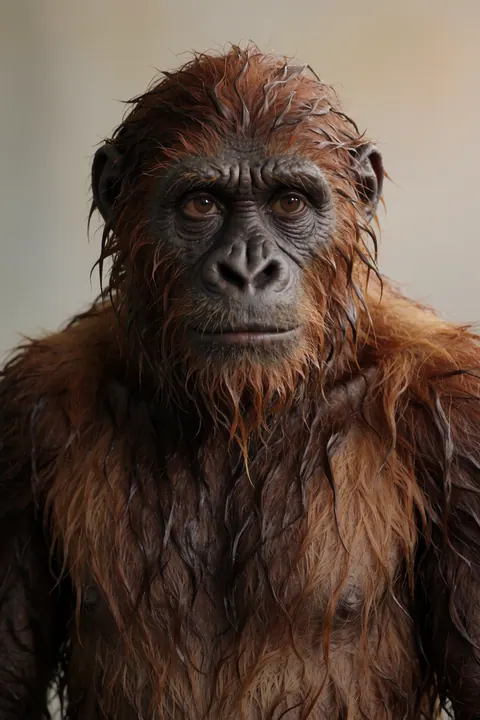
Skunk Ape
The skunk ape is Florida’s ape-like swamp cryptid, named for a rotten stench witnesses tie to close encounters. Decades of Everglades reports, a disputed 2000 Myakka photo, and promoter Dave Shealy keep it in regional lore. Biologists default to bears or hoaxes, not an unknown primate.
 AI ILLUSTRATION
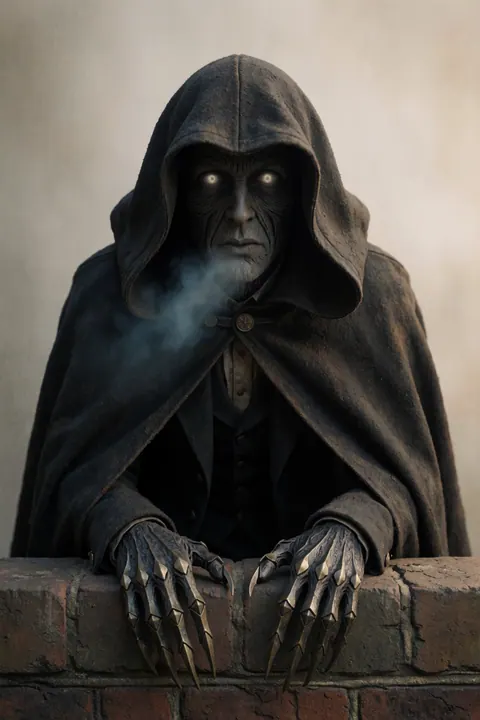
Spring-heeled Jack
Spring-heeled Jack is a leaping, clawed figure from Victorian London penny press - tall cloak, metallic claws, glowing eyes, and impossible jumps over walls in 1830s–40s reports. Police memos and newspaper panics spread the name; later writers added breath of blue fire and helmeted devil faces. Historians treat Jack as urban legend and hoax wave, not a verified superhuman species.
 AI ILLUSTRATION
Tall Whites
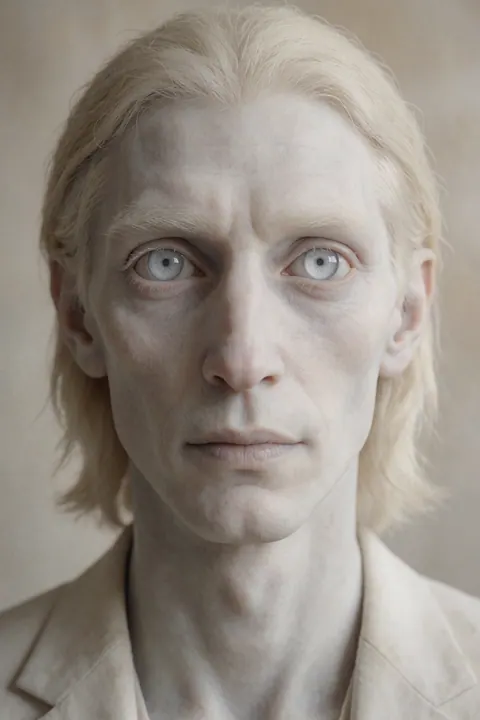
Tall Whites are chalk-pale, very tall humanoids in Charles Hall’s Millennial Hospitality books and later ufology media, tied to Nellis and Indian Springs, Nevada. Hall says he met them as a USAF weather observer in the mid-1960s. Mainstream science treats the beings as unverified single-source testimony, not confirmed biology.
 AI ILLUSTRATION
Tengu
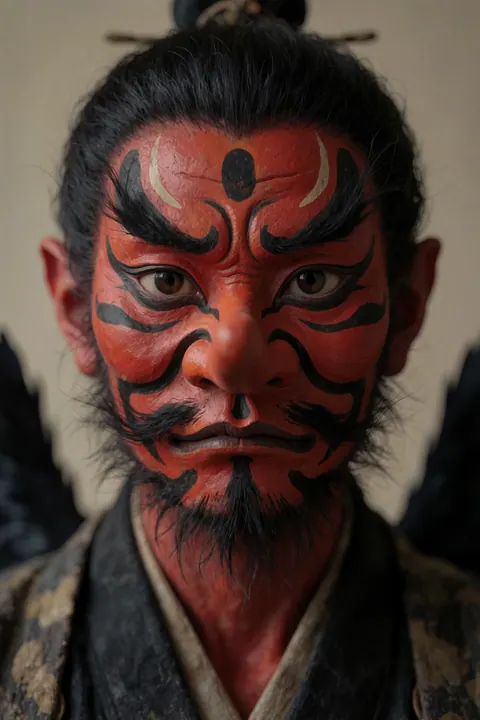
Tengu are Japanese mountain goblins and martial spirits, pictured with red faces, long noses, and sometimes crow wings. Buddhist and Shinto history turned them from disaster omens into disciplined yet dangerous teachers of swordsmanship. They live in folklore and religion, not in zoological catalogs.
 AI ILLUSTRATION
Thunderbird
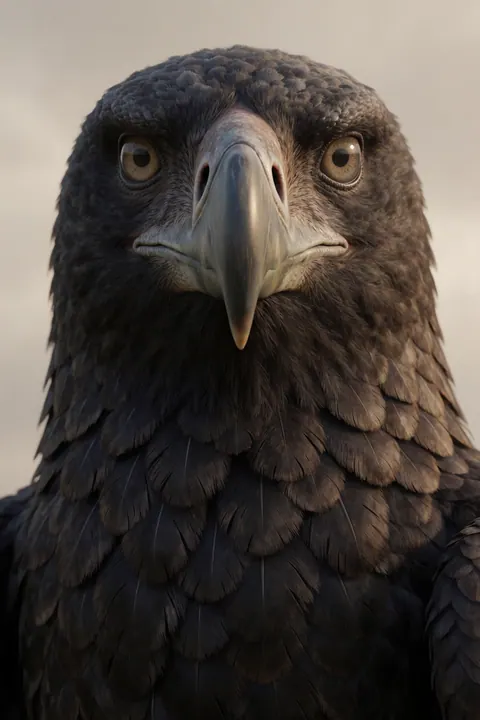
Thunderbirds are sacred giant birds in many Indigenous North American traditions, later mixed with settler tales of airplane-sized raptors. The 1977 Lawndale child-lift story and disputed Tombstone photo keep cryptozoology interested. Anthropologists separate living religious beings from unverified mega-bird sightings.
 AI ILLUSTRATION
Wookiee
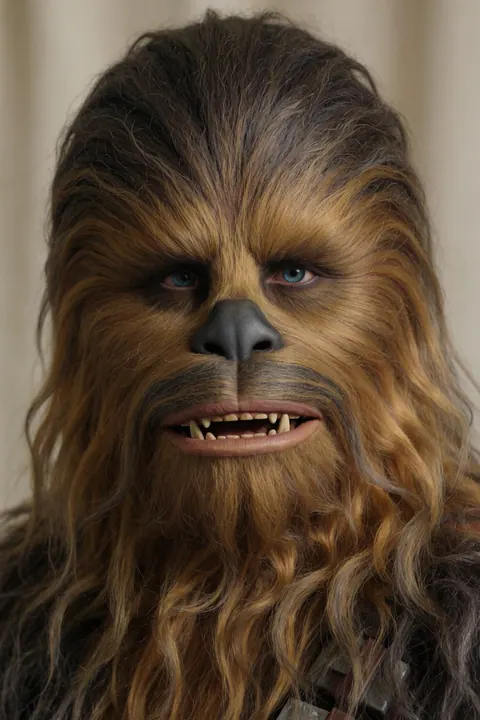
Wookiees are towering, fur-covered bipeds of the Star Wars galaxy, famous through Chewbacca's loyalty and strength since 1977. George Lucas placed them on the forest world Kashyyyk as franchise fiction, not a cryptid report. Mainstream view: a Lucasfilm character species with trademarked design, not a documented hominid.
 AI ILLUSTRATION
Xenomorph
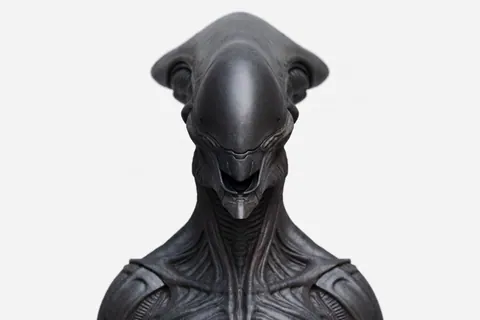
The xenomorph is the endoparasitoid alien predator of the Alien film franchise, famous for its egg-to-host lifecycle, biomechanical silhouette, elongated crest, and nested secondary jaw. H.R. Giger's 1979 design remains entertainment science fiction - a studio-owned creature, not a documented organism - despite decades of sequels treating it as real within the story.
 AI ILLUSTRATION
Yautja
Yautja are the trophy-hunting aliens of the Predator films, masked, dreadlocked, and armed with cloaking tech and plasma casters. The 1987 movie turned Stan Winston's creature design into a jungle-horror icon. Mainstream view: 20th Century and Disney Predator franchise fiction, not contactee testimony or a documented species.
 AI ILLUSTRATION
Yeti
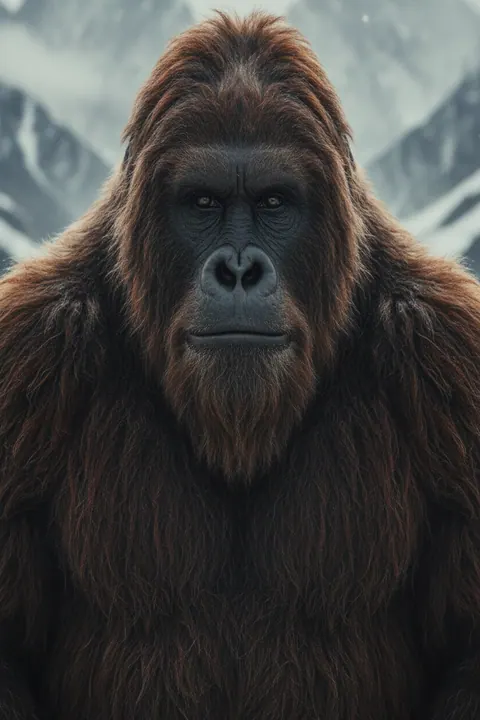
The Yeti is a shaggy, ape-like “wild man” of Himalayan folklore, famous in the West as the “abominable snowman” after 1920s Everest reports. Eric Shipton’s 1951 footprint photos and later relic hunts kept expeditions coming, but DNA tests on famous samples matched bears. Mainstream science treats the label as legend plus misidentified tracks and animals, not a confirmed hominid species.