Objects & artifacts
Physical and alleged objects - craft, relics, devices - with color and material locked to sources, and AI plates disclosed when used.
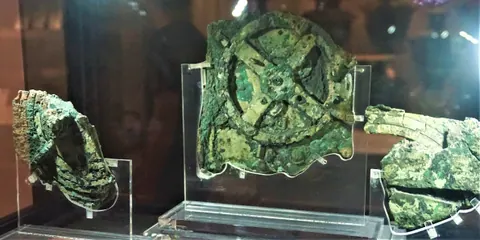
Antikythera Mechanism
The Antikythera mechanism is an ancient Greek bronze geared device recovered from a shipwreck off Antikythera in 1900-1901 and now held in Athens. Specialists reconstruct it as a Hellenistic astronomical calculator; fringe OOPArt lists cast rarity as lost high tech, which peer-reviewed imaging does not support.
 AI ILLUSTRATION
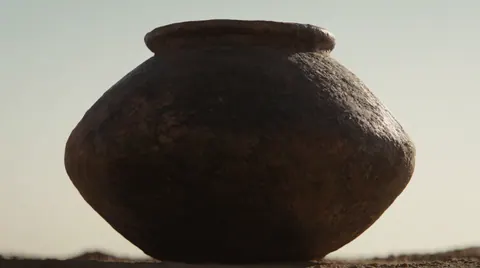
Baghdad Battery
The Baghdad Battery is a Sasanian-style clay jar with a copper cylinder and iron rod, reported near Khujut Rabu outside Baghdad and publicized by Wilhelm Konig in 1938 as a galvanic cell. Replicas can make tiny currents, but archaeologists reject ancient electroplating - comparable jars look like sealed document containers.
 AI ILLUSTRATION
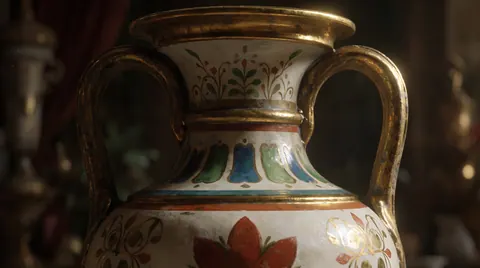
Basano Vase
Basano vase lore names a silver floral urn whose owners die in succession, yet no major museum publishes a matching accession file. Folklorists and skeptical writers treat the tale as modern listicle fiction riding on antique silver photos, not a documented Renaissance murder piece.
 AI ILLUSTRATION
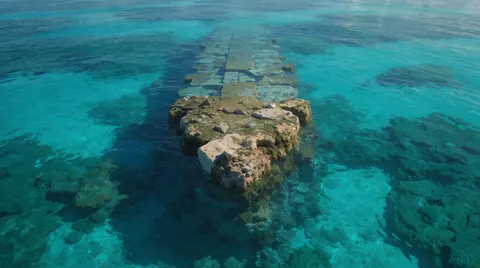
Bimini Road
Bimini Road is a submerged limestone pavement off North Bimini that divers mapped in 1968 and Atlantis fans cast as a lost-city harbor wall. Geologists including McKusick and Shinn identify naturally jointed beachrock - radiocarbon ages of a few thousand years, far too young for Plato's Atlantis timeline.
 AI ILLUSTRATION
Black Knight Satellite
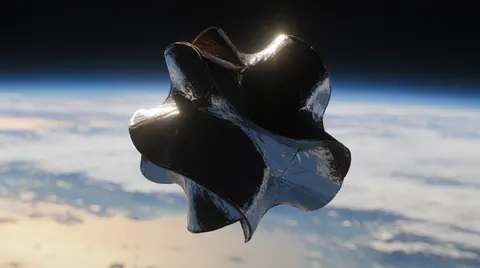
Black Knight Satellite is the black-knight-satellite dossier readers reopen. Early stamps sit near 1899. Grade E. Later waves after 1998-12 add volume more than new lab sheets. Prefer primary notes over forums for black-knight-satellite. Name the black-knight-satellite place line before any miracle verb in careful copy.
 AI ILLUSTRATION
Black Triangle UFO
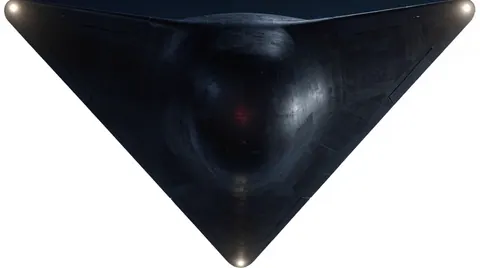
Black Triangle UFO is the black-triangle-ufo dossier readers reopen. Early stamps sit near 1989-11. Grade C. Later waves after 1990-03-30 add volume more than new lab sheets. Prefer primary notes over forums for black-triangle-ufo. Name the black-triangle-ufo place line before any miracle verb in careful copy.
 AI ILLUSTRATION
Busby's Stoop Chair
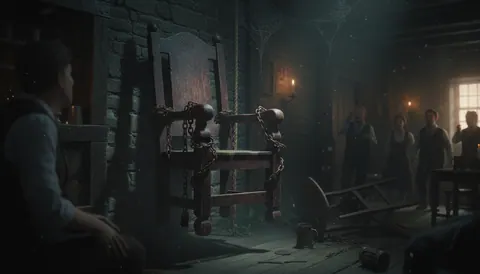
Busby's Stoop Chair is an oak seat tied to murderer Thomas Busby, hanged in 1702 near Thirsk, and later hung from a beam so nobody can sit in it. Thirsk Museum holds the donated pub chair; historians treat the sudden-death curse as tourism folklore, not coroner-verified magic.
 AI ILLUSTRATION
Cigar-Shaped UFO
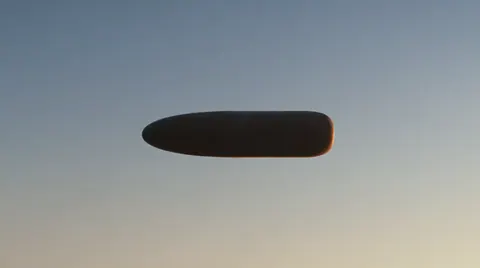
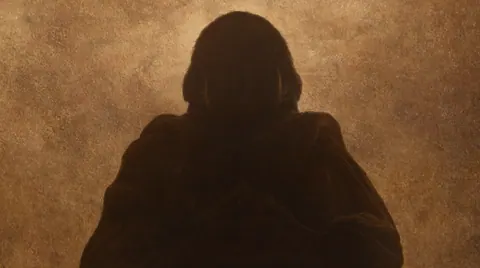
Cigar-Shaped UFO is the cigar-shaped-ufo dossier readers reopen. Early stamps sit near 1896-1897. Grade C. Later waves after 1950s add volume more than new lab sheets. Prefer primary notes over forums for cigar-shaped-ufo. Name the cigar-shaped-ufo place line before any miracle verb in careful copy.
 AI ILLUSTRATION
Copper Scroll
The Copper Scroll is a unique Dead Sea Scroll etched on copper, listing dozens of treasure caches with weights of gold and silver. Found in Cave 3 at Qumran in 1952 and cut open in Manchester, it is real archaeology. Treasure maps aside, no verified recovery matches its inventory.
 AI ILLUSTRATION
Crying Boy Painting
The Crying Boy is a mass-produced print of a tearful toddler, often signed Bragolin or related names, sold widely in postwar Britain. In 1985 The Sun turned firefighter anecdotes about prints surviving house fires into a national curse scare, later explained by fire-retardant varnish and hanging-string failure. Folklorists treat the blaze jinx as tabloid folklore, not paranormal proof.
 AI ILLUSTRATION
Cuban Underwater City Claims
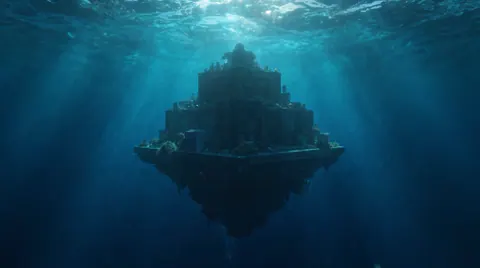
Cuban Underwater City Claims describe geometric stone-like formations that a Canadian survey team photographed on sonar off western Cuba in 2001, roughly 650-750 meters deep. Press coverage linked the shapes to Atlantis, but the survey's own geologists called for more study, and a later Cuban review argued the forms likely formed through natural slope and landslide processes.
 AI ILLUSTRATION
Crystal Skulls
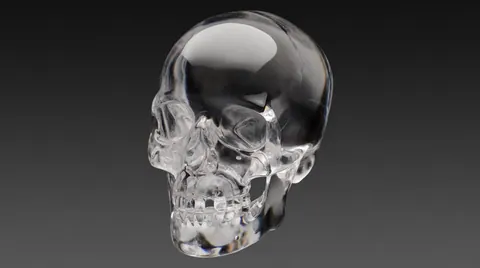
Crystal skulls are life-size carved quartz heads sold from the 1860s onward as pre-Columbian relics, including famous pieces at the British Museum and Smithsonian. A 2008 electron-microscope study found rotary lapidary-wheel marks proving European and modern manufacture, not ancient Aztec or Maya workmanship, ending the archaeological debate even as the mystical legend persists.
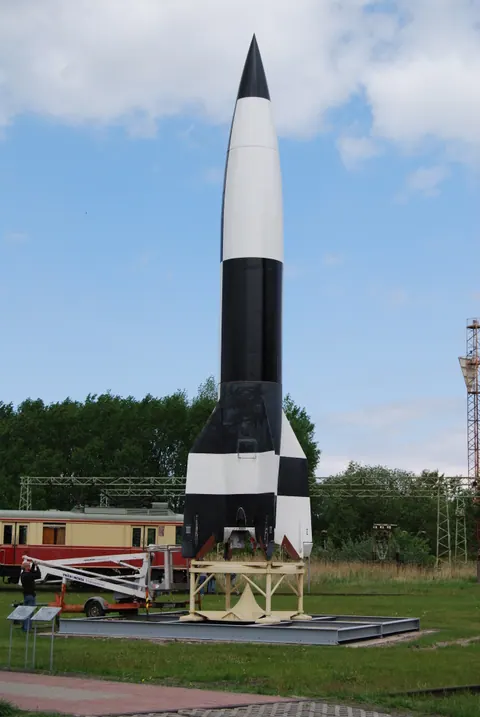
Die Glocke (Nazi Bell)
Die Glocke, or "the Bell," is an alleged Nazi wonder-weapon that Polish journalist Igor Witkowski described in 2000 from a reportedly unverifiable interrogation transcript, later popularized worldwide by Nick Cook's book The Hunt for Zero Point. No wartime document, patent, or Allied exploitation report has ever confirmed the device existed; historians treat it as a well-traveled postwar legend.
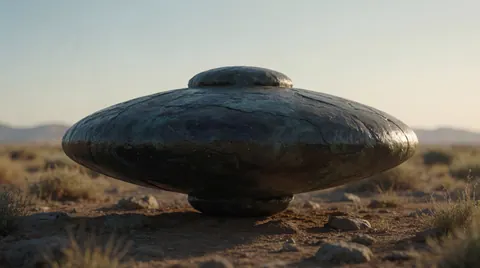 AI ILLUSTRATION
Dropa Stones
Dropa Stones describes supposed engraved stone discs from Tibet said to record a crashed extraterrestrial craft, a story popularized by Hartwig Hausdorf's 1998 book The Chinese Roswell. The core narrative traces to Sungods in Exile (1978), which author David Gamon admitted in Fortean Times was fiction he wrote under the pseudonym David Agamon, inventing even its supposed source, Karyl Robin-Evans.
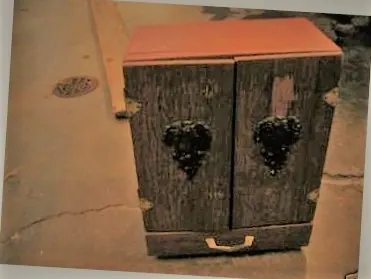
Dybbuk Box
The Dybbuk Box is a small wooden minibar cabinet that eBay seller Kevin Mannis marketed in 2003 as a haunted Jewish wine cabinet housing a malevolent spirit. Mannis confessed in 2015 that he invented the backstory for a short-story contest, and a 2018 investigation identified the cabinet as a mass-produced 1960s American liquor cabinet, not an antique relic.
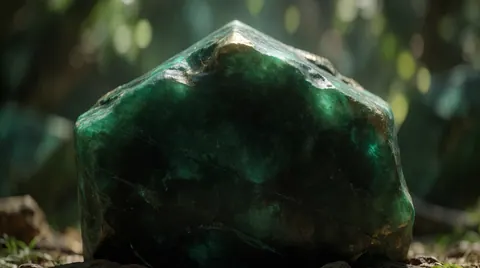 AI ILLUSTRATION
Emerald Tablet
The Emerald Tablet, or Tabula Smaragdina, is a short Hermetic text - not a surviving physical slab - that circulated in Arabic manuscripts by the eighth century and reached medieval Europe in Latin translation, inspiring alchemists from Newton. No museum or excavation has ever produced the literal emerald tablet itself; the phrase describes a text tradition, not a found artifact.
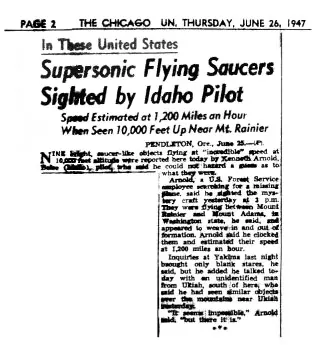
Flying Saucer
"Flying saucer" is the press nickname born from pilot Kenneth Arnold's June 24, 1947 sighting of nine fast-moving objects near Mount Rainier, which he compared to saucers skipping across water - not to the objects' shape. Wire reporters coined the phrase, and the Smithsonian credits Arnold's account with launching the modern UFO era despite no confirmed craft ever being recovered.
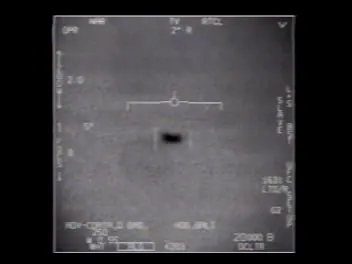
Gimbal UAP
The Gimbal video is Navy F/A-18 infrared footage from 2015 showing an oval object that appears to rotate in place as a targeting pod tracks it, officially released by the Department of Defense in April 2020. Pilots saw no visible wings or exhaust, while skeptics argue the apparent spin is a camera-gimbal glare artifact, not true motion.
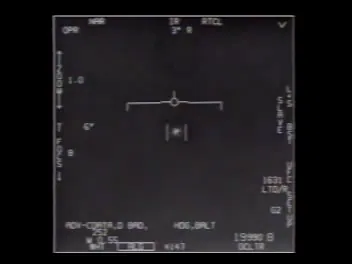
Go Fast UAP
The Go Fast video is 2015 Navy infrared footage of a small object skimming low over the ocean, officially released by the Department of Defense in April 2020 with the Gimbal and Tic Tac clips. Analyst Mick West argues parallax from a distant, slower object can make its on-screen speed look far more extreme than its true velocity.
 AI ILLUSTRATION
Hands Resist Him
Hands Resist Him is a 1972 painting by artist Bill Stoneham depicting a boy and a doll flanked by disembodied hands pressed against glass panels. The image became an internet "cursed painting" legend after a 2000 eBay listing claimed buyers reported ghostly movement and illness, a story the artist himself has publicly addressed as unrelated to his original intent.
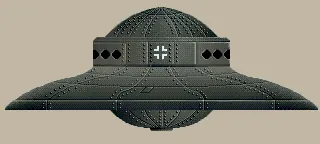
Haunebu
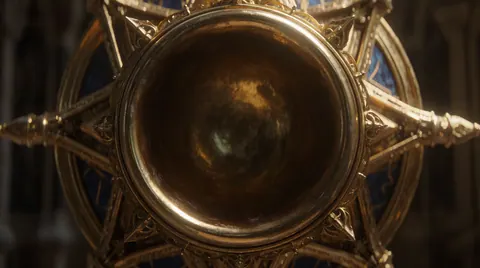
Haunebu is a supposed secret Nazi flying-disc program described only in postwar German fringe literature, popularized by Vril Society writer Jan van Helsing starting in the 1990s. No wartime document or Allied exploitation file mentions a Haunebu craft; historians trace the myth to postwar esoteric publishing, not documented Third Reich research.
 AI ILLUSTRATION
Holy Grail Relic Claims
Holy Grail relic claims name cups and chalices venerated across Europe as the Last Supper vessel, from Valencia's Santo Caliz to Arthurian romance props. Real treasuries hold dated metalwork and liturgy; a single archaeology-certified Grail remains faith and literature rather than a closed lab ID.
Hope Diamond
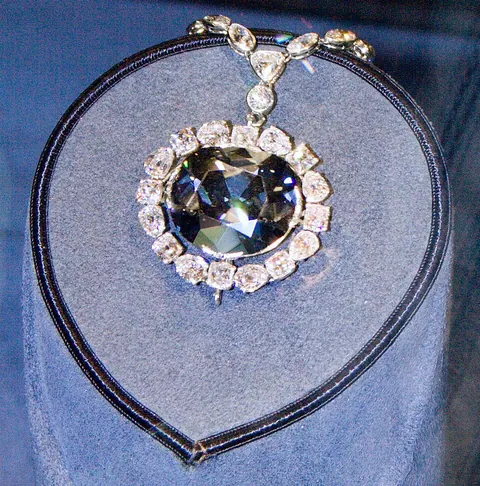
The Hope Diamond is a 45.52-carat fancy dark grayish-blue gem in the Smithsonian's National Museum of Natural History, famous for boron-blue color and strong red phosphorescence. Its "curse" is twentieth-century tabloid marketing layered on real owner bankruptcies; curators treat the stone as documented geology, not verified supernatural harm.
 AI ILLUSTRATION
Ivo Tech Sphere / Viral Metal Spheres
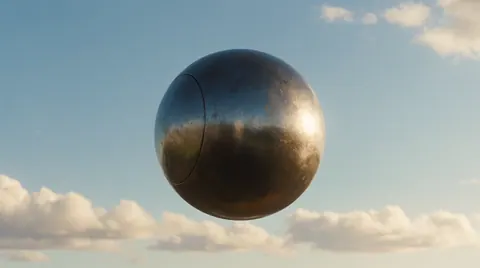
Viral metal tech spheres online often echo the 1974 Betz sphere from Fort George Island, Florida - an eight-inch stainless ball the Betz family said hummed and rolled oddly. Navy and press work read it as an industrial check-valve ball, not alien gear. Later viral spheres recycle the same silhouette without better metallurgy.
 AI ILLUSTRATION
Jellyfish UAP
The Jellyfish UAP nickname comes from infrared footage shot over Al Taqaddum Air Base, Iraq, on 23 October 2017 - a bulbous shape with dangling strands that looked alive on FLIR. AARO later assessed the clip with high confidence as a cluster of fully and partially inflated balloons drifting with the wind, not anomalous craft.
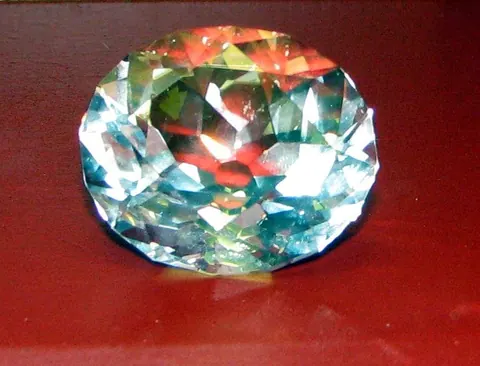
Koh-i-Noor
The Koh-i-Noor is a 105.6-carat colorless diamond in the British Crown Jewels, set in the Crown of Queen Elizabeth the Queen Mother and kept at the Tower of London. Colonial seizure, repatriation debates, and a "male owner" curse legend surround it; gemology and treaty archives are solid, supernatural harm is not.
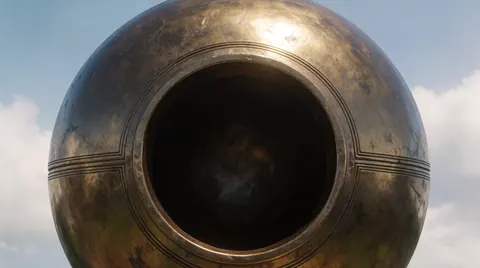 AI ILLUSTRATION
Metal Library (Tayos)
The Tayos metal library claim puts inscribed metal books inside Ecuador's real Cueva de los Tayos. The 1976 British-Ecuadorian expedition, with Neil Armstrong as honorary figurehead, mapped a natural cave and found no golden stacks; the library remains unverified folklore.
 AI ILLUSTRATION
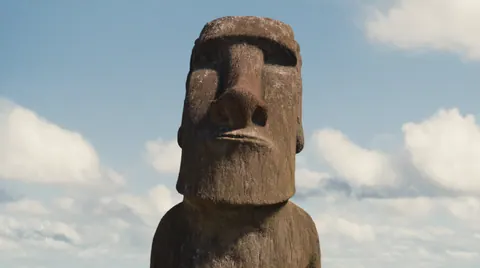
Moai
Moai are the monumental ancestor statues of Rapa Nui (Easter Island) - elongated heads, heavy brows, and truncated torsos carved mainly from Rano Raraku volcanic tuff. Archaeology documents carving, ahu display, and rope-walking transport experiments. Ancient-astronaut crane myths are modern overlays on living Polynesian stonework.
 AI ILLUSTRATION
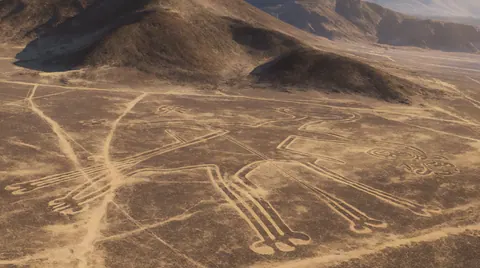
Nazca Lines
The Nazca Lines are vast desert geoglyphs in Peru's Ica Region - hummingbirds, spiders, monkeys, trapezoids, and kilometer-scale straight lines made by clearing dark pavement stones to expose lighter soil. Created by Nazca culture centuries ago, they are UNESCO-listed ritual landscapes, not alien runways.
 AI ILLUSTRATION
Okiku Doll
Okiku is a Japanese ichimatsu-style doll enshrined at Mannenji Temple in Hokkaido, famous for lore that its human-hair wig lengthened after young owner Kikuko died in 1920. The doll and temple rites are documented; measured supernatural growth has never been verified, and skeptics cite slipping doll-hair glue.
 AI ILLUSTRATION
Orb UAP
Orb UAP is a catch-all shape class for spherical lights and balls reported in skies and sensors - from wartime foo-fighter lore to modern cockpit and phone clips. Some cases resolve as balloons, birds, or optical artifacts; others stay open. Pentagon UAP video releases and AARO case work keep orbs in official vocabulary without proving a single exotic craft.
 AI ILLUSTRATION
Philadelphia Experiment Device Claims
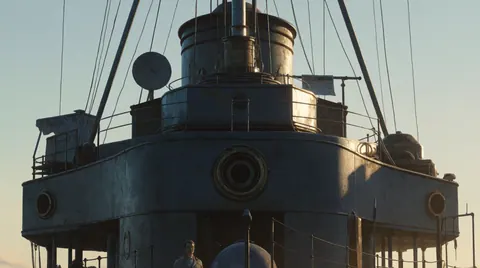
The Philadelphia Experiment is a postwar legend that a 1943 Navy destroyer - usually named USS Eldridge - was made invisible or teleported using unified-field gear. Naval History and Heritage Command finds no supporting records; Eldridge's logs place her elsewhere. The story grew from Carlos Allende letters to Morris Jessup, then films - a hoax-born device myth.
 AI ILLUSTRATION
Piri Reis Map
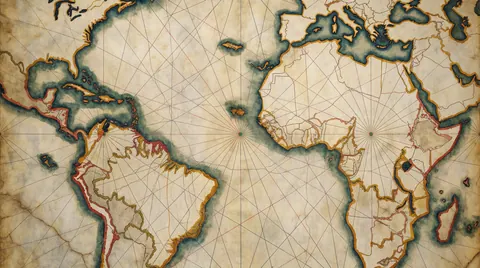
The Piri Reis map of 1513 is an Ottoman portolan chart fragment on gazelle-skin parchment, kept at Topkapi Palace and registered in UNESCO's Memory of the World. It compiles Atlantic coasts from multiple sources including Columbus-era charts. Fringe claims that it shows ice-free Antarctica misread South American placenames.
 AI ILLUSTRATION
Quimbaya Artifacts
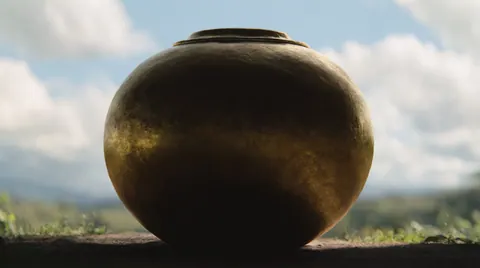
Quimbaya-style gold and tumbaga zoomorph pendants from pre-Hispanic Colombia - birds, fish, insects, and stylized animals with wing-like flanges - sit in Museo del Oro collections in Bogota. Fringe writers nickname some pieces airplanes. Museum metallurgy and iconography read animals and ritual goldwork, not jet trainers.
 AI ILLUSTRATION
Stargate Remote Viewing
Stargate remote-viewing protocols are Cold War U.S. intelligence session methods and training papers for claimed psychic reconnaissance. Declassified CIA and DIA files show a real program that ended after a 1995 American Institutes for Research review found remote viewing too vague for actionable intelligence.
Robert the Doll
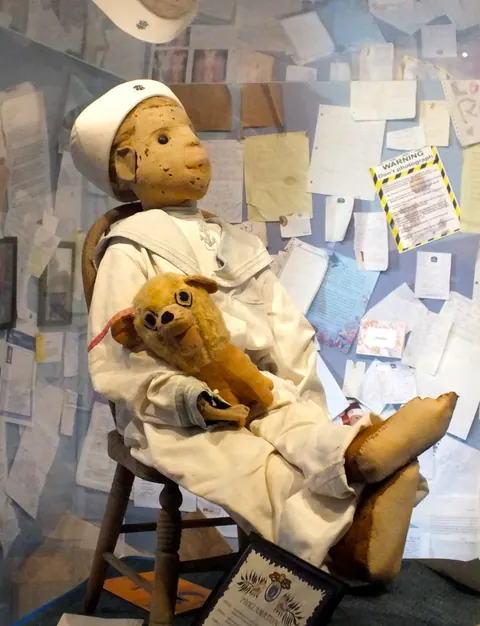
Robert the Doll is a roughly 40-inch Steiff-style sailor doll tied to Key West artist Robert Eugene Otto, who blamed the toy for childhood mischief. On permanent display at Fort East Martello Museum since 1994, Robert is a documented artifact wrapped in haunt tourism; mainstream historians treat motion and curse claims as folklore, not proof.
 AI ILLUSTRATION
Rongorongo Tablets
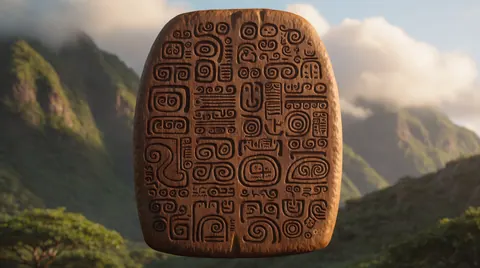
Rongorongo tablets are wooden objects from Rapa Nui carved with an undeciphered glyph system collected in the nineteenth century and now held in museums worldwide. Specialists treat the corpus as genuine cultural artifacts; no accepted full reading exists, and tourist forgeries complicate the picture.
 AI ILLUSTRATION
Saqqara Bird
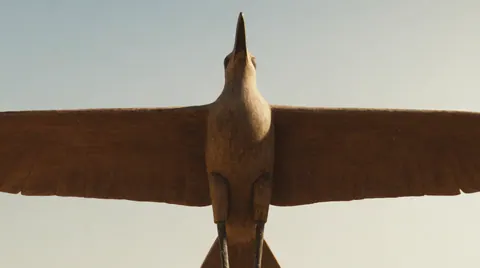
The Saqqara Bird is a small sycamore-wood falcon figurine from Egypt, found near Saqqara in 1898 and dated around 200 BCE, now in the Egyptian Museum in Cairo. Aviation fans sometimes call it a glider model; aerodynamics tests and Egyptologists treat it as a ritual bird, toy, or vane - not ancient aircraft.
 AI ILLUSTRATION
Shugborough Inscription
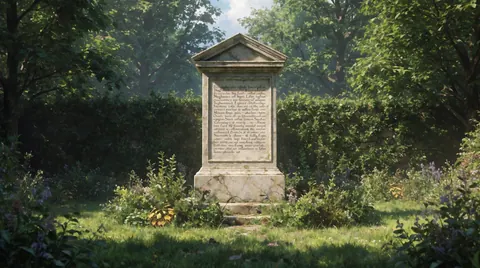
The Shugborough inscription is the eight-letter sequence O U O S V A V V carved beneath a relief on the Shepherd’s Monument at Shugborough Hall in Staffordshire, England. National Trust guides treat it as an unsolved Georgian puzzle; treasure and Priory theories remain speculation without a verified plaintext.
 AI ILLUSTRATION
Spear of Destiny
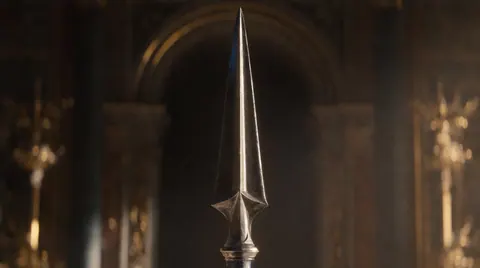
The Spear of Destiny label names several medieval Holy Lance relics said to pierce Christ's side, especially Vienna's Hofburg lance. Kunsthistorisches Museum scholarship treats the Vienna object as a composite medieval relic; world-conquest magic stories are modern myth layered onto real metalwork.
 AI ILLUSTRATION
Stone Spheres of Costa Rica
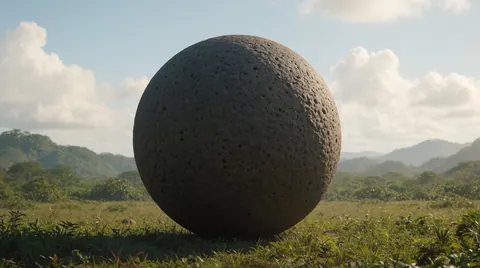
Costa Rica’s stone spheres are nearly round pre-Columbian sculptures made by Diquís culture communities in the southern Pacific region, with examples now also in museums and parks. UNESCO recognizes Diquís stone spheres sites; mainstream archaeology rejects spaceship factories and Atlantis workshops.
 AI ILLUSTRATION
Tic Tac UFO
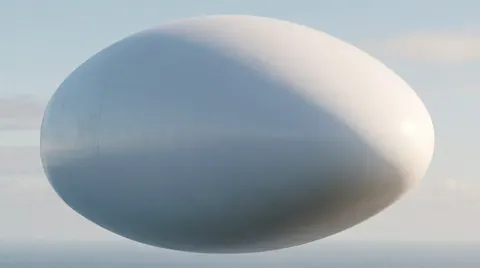
The Tic Tac is a white, capsule-shaped UAP type described by U.S. Navy aircrew in the 2004 USS Nimitz Carrier Strike Group encounters and later named from infrared footage. Pilots reported a smooth oblong without wings; mainstream sources leave the object unidentified.
 AI ILLUSTRATION
TR-3B
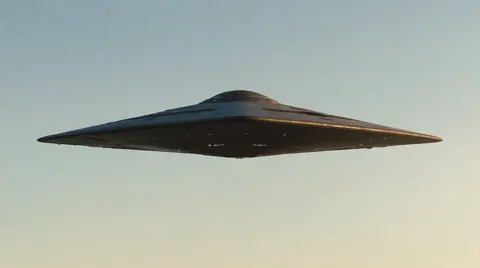
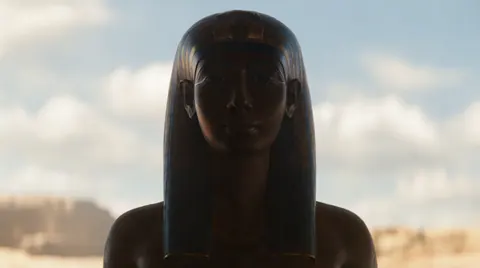
TR-3B is a rumored U.S. black-triangle anti-gravity craft popularized by Edgar Fouché and later internet lore, not by acknowledged aircraft designations. Aviation historians find no verified airframe, flight manual, or procurement trail matching the viral triangular TR-3B story that fans still treat like inventory.
 AI ILLUSTRATION
Tutankhamun Curse Objects
Tutankhamun curse lore wraps tomb goods and the 1922–1923 Carter excavation in stories of deathly revenge. Lord Carnarvon’s 1923 death after a mosquito bite fueled headlines; medical and historical reviews treat the “mummy’s curse” as media myth, not a verified lethal enchantment on the objects.
 AI ILLUSTRATION
Beale Ciphers
The Beale ciphers are three encoded texts from an 1885 Lynchburg pamphlet that supposedly map a Virginia treasure buried by Thomas J. Beale. Only the second cipher was “solved” via a Declaration of Independence key; mainstream historians treat the pamphlet as a probable hoax without a verified vault.
 AI ILLUSTRATION
Yonaguni Monument Claims
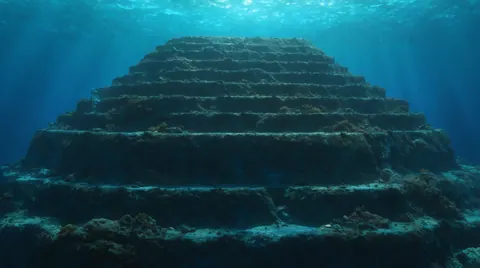
The Yonaguni Monument is a submerged rock formation off Yonaguni Island, Japan, that some divers call a man-made lost-city staircase. Geologist Robert Schoch and many marine geologists argue the terraces are primarily natural sandstone geology, so architecture claims remain vivid but unproven.