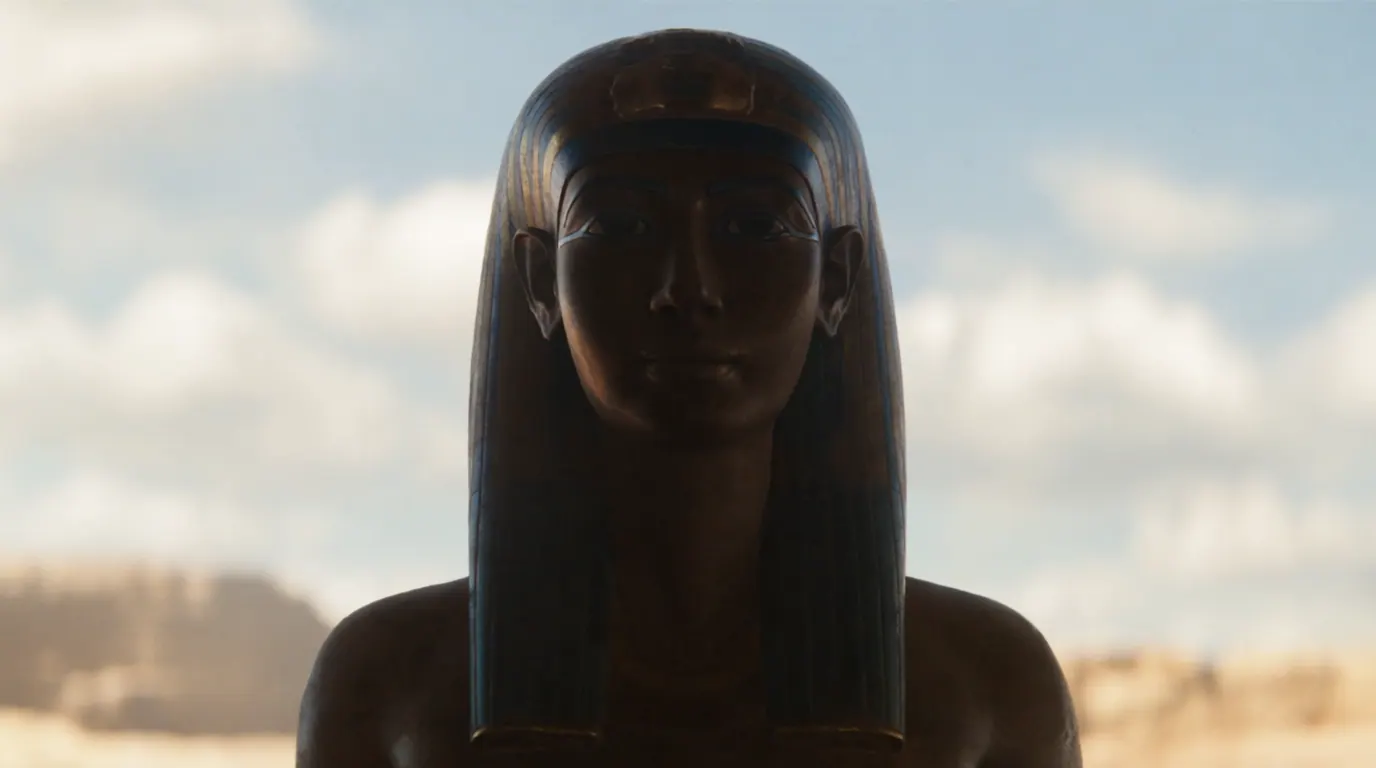
Gold funerary goods do not need a hex to feel dangerous - excavation politics and infection were enough. When Howard Carter’s team opened Tutankhamun’s tomb in 1922, the world fell in love with a boy king’s assemblage. When Lord Carnarvon died in Cairo in April 1923, editors reached for the mummy’s curse and never quite put it down.
Carnarvon, mosquitoes, and headlines
Contemporary coverage tied Carnarvon’s death to an insect bite and ensuing infection. That medical story ran beside supernatural captions because Gothic fiction had already trained readers to expect tomb vengeance. A mosquito and a myth can share a front page without being equal explanations.
How victim lists get padded
Curse anthologies often count distant acquaintances, ignore long-lived excavators, and treat ordinary mortality as targeted revenge. Howard Carter’s survival into 1939 is the simplest counterexample. Statistical reviews keep finding media selection effects where a death field was advertised.
Objects versus folklore
Identification for this cluster should lock KV62 association, 1922–1923 excavation fame, and the diversity of real tomb goods - gold, wood, faience, linen - rather than a single glowing cursed amulet from movies. The assemblage is archaeology. The lethal enchantment is storytelling.
Why the curse still tours
Museum blockbusters and horror cinema keep the hex warm because it is emotionally efficient. Readers can honor the craftsmanship of Tutankhamun’s burial and still refuse to treat newspaper omens as conservation science. Wonder belongs to the tomb; the body count belongs to epidemiology and editorial incentives.
Selective obituaries
Curse lists grow by inclusion of the dramatic and exclusion of the boring living. Recount the famous deaths, then recount the long careers. The second column is where the enchantment usually thins out.
Epidemiology over omens
Infection, travel, and newspaper incentives explain the 1923 panic better than enchanted amulets. Keep the gold real and the hex in the fiction aisle where it performs best.
What the assemblage actually is
Tutankhamun’s burial goods are a layered funerary program - shrines, coffins, jewelry, everyday palace echoes. Curse talk collapses that richness into a single haunted prop. Resist the collapse; the archaeology is stranger when left whole.