BYNADAV / CC BY-SA 4.0

Dybbuk BoxDraft

Dibbuk Box · Dybbuk box · haunted wine cabinet
EVIDENCEABCDE
HOAXE · Known hoax or satisfactorily explained

Mainstream consensus: Best understood as contemporary haunted-object lore and (per the originator’s later admissions) intentional fiction layered onto a mundane cabinet - not verified spirit containment.

Short answer

The Dybbuk Box (also Dibbuk Box) is an antique-style wine cabinet sold online with a dybbuk-possession story that made it a modern haunted-object legend. Originator Kevin Mannis later described the auction narrative as creative fiction - while the physical cabinet, classical dybbuk folklore, and entertainment adaptations each keep their own audiences.

Short answer

A modern haunted wine-cabinet legend that borrowed dybbuk vocabulary. Originator Kevin Mannis later framed the auction tale as creative fiction; investigators ID a mid-century minibar form factor.

Identification

Licensed photos document the cabinet. AI plates illustrate atmosphere/detail only - not proof of a spirit.

Size and shape

Compact upright wood cabinet / Karoff-style liquor minibar scale.

Exterior

Brown finished wood; claimed carvings are modern additions in the origin story.

Lights and markings

Inscriptions in claim photos are not continuous ritual provenance.

Motion and behavior

Haunt anecdotes only - no laboratory causation.

Lookalikes

Ordinary cabinets; film props; other haunted furniture lore.

Overview

Class: cursed relic (cursed-relic). Prefer this collection for physical haunted props. Parent hub: cursed objects list.

Origin of the legend

2003 eBay storytelling + later ownership lore + 2012 film. Classical dybbuk folklore is the word source, not the cabinet’s pedigree.

Evidence and mainstream view

Evidence level: E. Status hoax for the supernatural containment claim and fabricated provenance. The physical furniture exists; the dybbuk-in-a-box narrative does not pass as history.

Timeline

See structured timeline (Karoff patent era → 2003 listing → film → investigative admissions).

Sightings and stories

Attributed accounts cover the auction narrative, Biddle’s object documentation, and classical dybbuk vocabulary - kept separate.

Peers: other claim devices and mystery objects. Cross-category: Annabelle / haunted dolls when published.

The Possession (2012), haunted-museum publicity, and endless internet listicles.

FAQ

See frontmatter FAQ.

Sources

Skeptical Inquirer, Inverse, Boing Boing, Jewish Virtual Library, and Commons photo credits.
Documentary photos

Rights-cleared documentary stills and serious reference images. These are not AI illustrations.

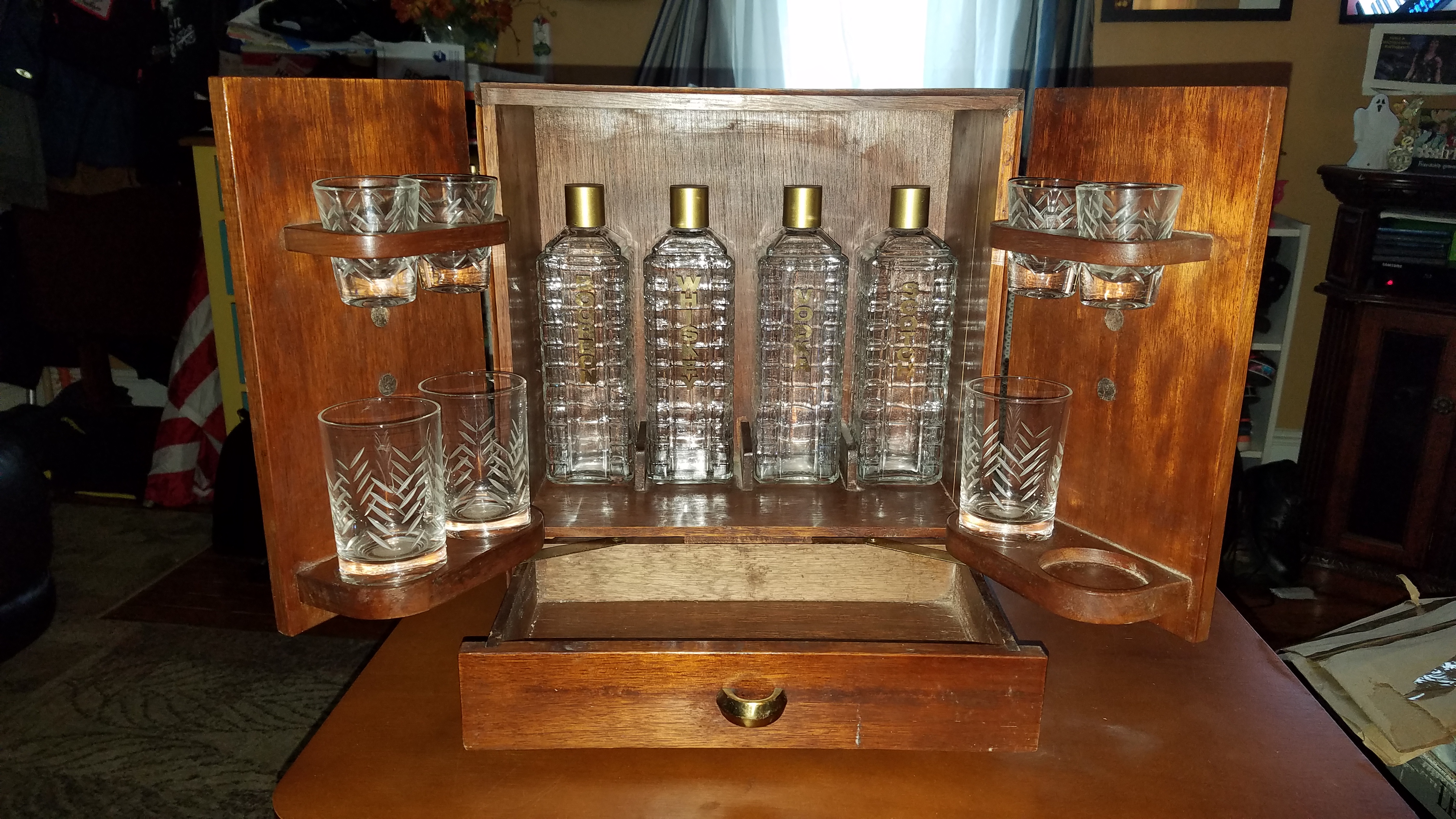
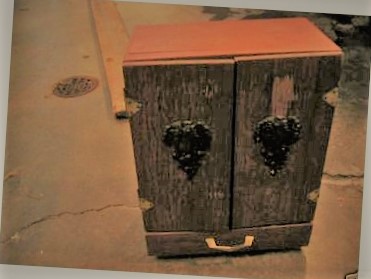
Front view of a wooden Dybbuk Box–style cabinet, Wikimedia Commons photograph.
Front view of a Dybbuk Box–associated cabinet (documentary photo)Credit: Bynadav (derivative) / CC BY-SA 4.0
Full view of a Dibbuk Box minibar cabinet photographed for documentation.
Full minibar / cabinet view documented by Kenny Biddle (Skeptical Inquirer context)Credit: KennyBiddle / CC BY-SA 4.0

Sightings and object accounts

Attributed sightings, recoveries, and object histories from named sources. Links open the originals; AnomalyWiki does not verify these claims.

Claims vs mainstream

The claim

The box contains a real dybbuk.

Mainstream view

No verified spiritual containment. Classical dybbuk folklore is separate from this modern boxed-object brand; the originator described the auction tale as fiction.

The claim

Owning the box causes proven supernatural harm.

Mainstream view

Anecdotes and entertainment claims are not controlled evidence of causation.

The claim

The cabinet is an antique Spanish wine chest with continuous ritual pedigree.

Mainstream view

Investigators identify a mid-century Karoff-style liquor cabinet; Mannis stated he added carving and invented the story.

The claim

Film versions document the original object accurately.

Mainstream view

Entertainment adaptations dramatize and invent freely.

Timeline

  1. 1957Robert B. Karoff files U.S. Patent 2,836,477 for a liquor-bar cabinet structure - the form factor later investigators match to Dybbuk Box cabinets. Source: U.S. Patent 2836477; Skeptical Inquirer (Biddle)
  2. 2003Kevin Mannis lists a “dibbuk box” on eBay with a long paranormal provenance story.Source: eBay listing (archived in secondary reporting); Inverse interview
  3. 2012Horror film The Possession (inspired by the legend) reaches wide audiences.Source: Studio / entertainment coverage
  4. 2015–2021Mannis’s social posts and later interviews are cited by skeptics as admissions that the auction narrative was creative fiction; investigative features reconstruct the hoax. Source: Skeptical Inquirer; Inverse; Boing Boing

FAQ

Is this the same as a classical dybbuk?

No. Classical dybbuk lore is broader. This page covers the modern boxed-object claim that borrowed the vocabulary.

Is the curse proven?

No. Evidence grade E reflects folklore / entertainment / admitted fiction layering.

Was the eBay story real?

Mannis later described conceiving the Dybbuk Box name, carving, and creative story for the listing. Investigators treat the Holocaust-provenance tale as fiction.

Why is this under Objects & artifacts?

It is object-first (a cabinet). Curse narratives without a primary object stay in Phenomena.

What about Annabelle?

Cross-link haunted-doll pages under cursed relics / phenomena as those entries ship.

Why mix licensed photos and AI plates?

Real cabinet photos ID the form factor. AI plates only fill atmospheric / detail views and are labeled illustrations.