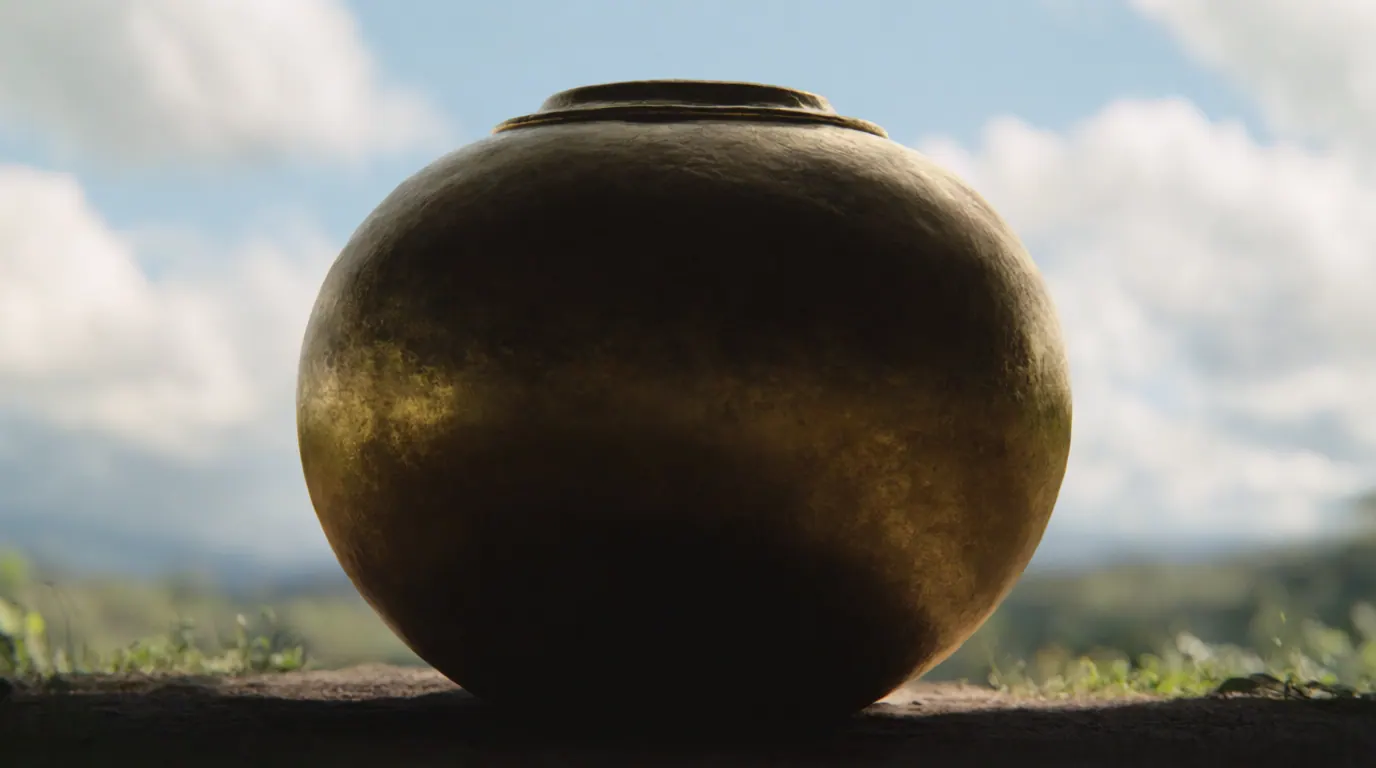
AI illustration of Quimbaya-style gold zoomorph (front view) for reference only.
AI ILLUSTRATION FOR REFERENCE ONLY

Quimbaya Artifacts

Quimbaya airplanes (fringe nickname) · Quimbaya gold zoomorphs · Museo del Oro bird pendants
MUSEUM OBJECT

Mainstream consensus: These are documented pre-Hispanic gold and tumbaga ornaments studied by Museo del Oro and related scholarship as zoomorphic and symbolic metalwork. Airplane readings are modern projections. Provenance and typology outrank out-of-context internet photos.

Share this page
Short answer

Quimbaya-style gold and tumbaga zoomorph pendants from pre-Hispanic Colombia - birds, fish, insects, and stylized animals with wing-like flanges - sit in Museo del Oro collections in Bogota. Fringe writers nickname some pieces airplanes. Museum metallurgy and iconography read animals and ritual goldwork, not jet trainers.

Warm gold catches museum light like a small sun. Quimbaya-associated pendants - and related Colombian tumbaga zoomorphs - are handheld ornaments with animal bodies and side flanges that internet captions love to call airplanes. The nickname travels farther than the museum label, which is why the pieces still need a careful encyclopedia reading.

Metallurgy before mythology

Lost-wax casting, alloy color, and polish belong to a deep Andean goldworking tradition documented by Museo del Oro and Banco de la Republica publications such as studies of late Quimbaya goldwork. These are jewelry and ritual wealth objects, centimeter to decimeter in scale, not wind-tunnel models. Eyes, mouths, and limb cues still read as fauna when you stop forcing a fuselage onto every flange. The metalwork rewards close looking as craft, not as a hidden aviation syllabus waiting in a display case.

How the jet nickname stuck

Select a few elongated pieces, photograph them from the angle that maximizes wing-like flanges, and a modern brain supplies landing gear. Von Daniken-era books and later listicles did exactly that. Colombian cultural journalism still has to explain the nickname while repeating the museum line - birds, lizards, fish, insects - because the viral frame outruns the case label every time a new photo circulates.

Reading the object honestly

Identification means warm metal, cast seams, and pendant suspension logic. Compare the Saqqara bird and other flight-claim artifacts - silhouette temptation is a genre with a long publishing trail. Wonder at the craft; keep the jet engine in the twentieth century unless excavation context somehow delivers one, which museum catalogues do not.

In popular culture

Replica stalls, meme montages, and ancient-alien stills keep the airplane punchline alive. Visit Museo del Oro's public materials and the Boletin research trail before treating a phone photo as an aviation patent from pre-Hispanic Colombia.

Lost-wax tumbaga animals belong to a broader Colombian goldworking story that museums have catalogued for decades. Airplane nicknames arrived later, carried by fringe books that preferred jet silhouettes to fauna typology. Holding both ideas at once is easy - the metal is real, the runway is projected. Prefer Banco de la República collection notes when a turntable video claims suppressed aviation.

Sightings and object accounts

Attributed sightings, recoveries, and object histories from named sources. Links open the originals; AnomalyWiki does not verify these claims.

Claims vs mainstream

The claim

The pendants are scale models of prehistoric aircraft.

Mainstream view

Iconography and museum studies read animals; modern jet silhouettes are projected onto stylized bodies.

The claim

Scientists refuse to comment because the jets are real.

Mainstream view

Museo del Oro literature discusses Quimbaya and related goldwork extensively as metallurgy and symbolism.

The claim

Online photos alone prove ancient flight technology.

Mainstream view

Provenance and excavation context matter; tourist replicas and out-of-context shots circulate widely.

The claim

Flanges can only be wings of fixed-wing planes.

Mainstream view

Fins, wings, and stylized limbs appear across bird, fish, and insect goldwork without requiring jet aerodynamics.

Timeline

  1. Pre-Hispanic centuries before Spanish conquestCommunities in Colombia's goldworking traditions cast tumbaga zoomorphs later associated with Quimbaya and neighboring styles.Source: Museo del Oro scholarship
  2. 1892Colombian goldwork appears in Madrid historical exposition catalogues, feeding early museum inventories.Source: Period exposition catalogue citations in museum literature
  3. Mid-late 20th centuryFringe authors popularize airplane readings of selected pendants; museums continue animal classifications.Source: El Tiempo cultural explainer; ufology reception
  4. 1990s-2000sMuseo del Oro research publications refine Quimbaya tardia and bird-iconography studies in the collection.Source: Boletin Museo del Oro articles

FAQ

Are Quimbaya pendants prehistoric airplanes?

Museums read them as zoomorphic goldwork - birds, fish, insects, and related animals. Airplane is a modern nickname from silhouette projection.

What metal are they made of?

Gold and tumbaga (gold-copper alloy) cast by lost-wax and related techniques studied in Museo del Oro literature.

Where can I see them?

Museo del Oro in Bogota holds major related collections and publishes research through Banco de la Republica Cultural channels.

Why do some pieces look like jets?

Elongated bodies and side flanges can resemble wings to modern eyes trained on aircraft. Iconography still fits animal limbs and fins.

Do archaeologists refuse to study them?

No. Quimbaya and related goldwork are extensively published; the airplane claim is fringe, not a silenced consensus.

Could tourist replicas confuse the debate?

Yes. Out-of-context photos and modern copies circulate online; provenance and museum typology matter more than a viral angle.