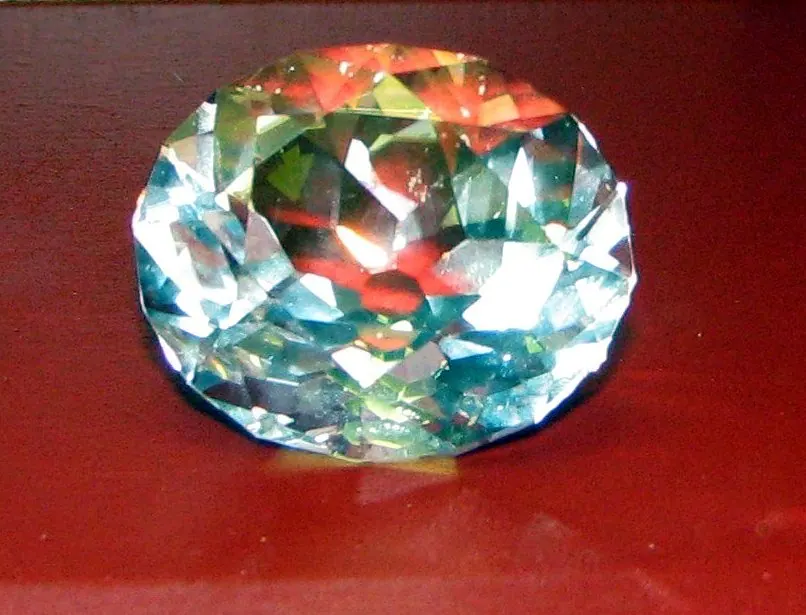
The Koh-i-Noor sits in British coronation lore twice over: as a Mountain of Light poem from Mughal and Persian courts, and as a flashpoint in twenty-first-century repatriation arguments. The crystal in the Crown of Queen Elizabeth the Queen Mother is measured, photographed under Jewel House rules, and tied to the 1849 Treaty of Lahore. Curse chatter about male owners is a Victorian side plot compared with the documented politics of conquest.
Conquest transfers, not crystal hexes
The stone moved when armies moved. Young Maharaja Duleep Singh's surrender language reads like imperial paperwork to some historians and like coercion to others; either reading stays in archives, not séance rooms. Nineteenth-century Delhi Gazette-style rumors added an unlucky gem story while Prince Albert ordered a brilliance-focused recut that shrank the crystal dramatically. Wars killed kings; the diamond did not need supernatural help.
Coronation optics in the 2020s
When Buckingham Palace chose Queen Mary's crown for Camilla in 2023 and left the Koh-i-Noor out of the ceremony, diplomacy spoke louder than folklore. India and other claimants had already framed return debates in parliament and press for decades. Display replicas at exhibitions help visitors see the oval brilliant and frontal mount when the live crown stays in the Tower.
Identifying the stone in photos
Lock the post-1852 oval facet pattern and the platinum lattice of the Queen Mother crown rather than a raw uncut crystal floating in darkness. Glass study copies and Coster exhibition replicas are legitimate teaching aids when labeled. Pairing the Koh-i-Noor with the Hope Diamond shows two real stones that accumulated omen stories for different reasons while remaining ordinary carbon crystals under the loupe.
How the nickname travels
Tour queues at the Tower of London mix Jewel House fact with whispered curse rules. Guides must translate Persian poetry titles, Sikh kingdom collapse, and modern hashtag campaigns in the same breath. That is why an objects page keeps the diamond separate from full imperial history essays while still naming the live ownership fight.
In popular culture
Period dramas, coronation livestreams, and diaspora social threads reuse the same frontal crown photo whenever a royal event nears. The image becomes a Rorschach test for colonial memory rather than a gemology slide. Enjoy the sparkle; read the treaty footnotes when arguments heat up.

