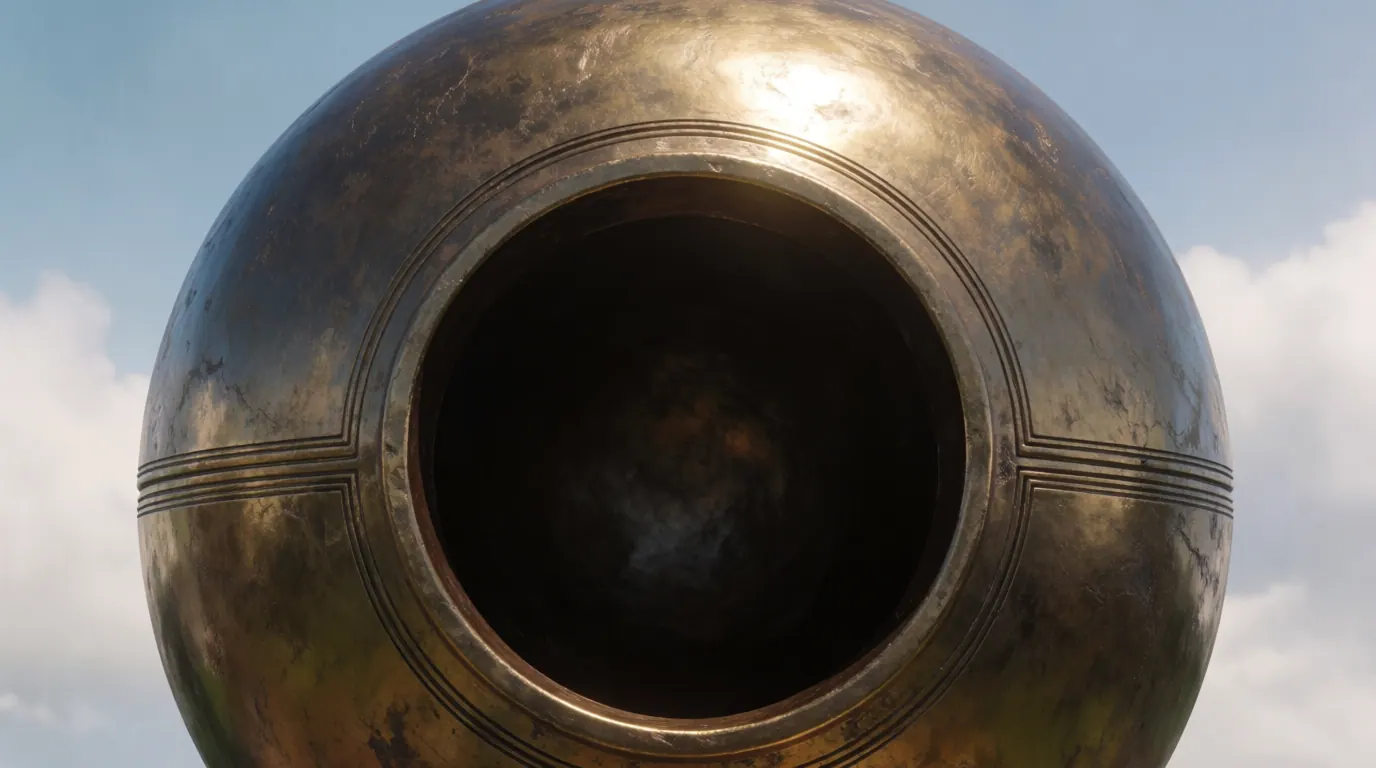
AI illustration of claimed Tayos metal plates (front view) for reference only.
AI ILLUSTRATION FOR REFERENCE ONLY

Metal Library (Tayos)

Tayos metal library · Cueva de los Tayos library · Moricz metal library
FOLKLORE

Mainstream consensus: Cueva de los Tayos is a real, surveyed natural cave; the inscribed metal library has not been produced under archaeological chain of custody and is treated as fringe lore.

Share this page
Short answer

The Tayos metal library claim puts inscribed metal books inside Ecuador's real Cueva de los Tayos. The 1976 British-Ecuadorian expedition, with Neil Armstrong as honorary figurehead, mapped a natural cave and found no golden stacks; the library remains unverified folklore.

The metal library of the Tayos caves is a claim that inscribed metal books wait inside Ecuador's Cueva de los Tayos - a real cave system explored by cavers and, famously, a 1976 expedition that listed Neil Armstrong as honorary president. The cave is documented. The golden stacks are not.

Cave first, catalog second

Oilbirds (tayos), rope pitches, flowstone, and multi-kilometer passage surveys are checkable wonders. Móricz and von Däniken layered polished halls, laser guards, and metal encyclopedias onto that geology. When Stan Hall mounted the 1976 British-Ecuadorian effort, serious cavers had to keep speleology from becoming a Daniken publicity prop. Published club narratives describe natural formations and an Armstrong visit after main de-rigging - paperwork and mud, not a museum accession of plates.

Why absence keeps getting a sequel

Metal pages would be heavy, cold, and easy to photograph on a scale. Their continued absence after decades of traffic is itself data. People invent military seizures, curses, and secret side caves that cannot be falsified. Prefer falsifiable statements - which chamber, which year, which witness with a dated photograph. Anything less stays campfire grade. Cross-link Dropa and other library-of-the-gods yarns to see the repeating template - real place plus unverified warehouse of wisdom.

Reading expedition fame without treasure

Armstrong's Purdue correspondence file proves planning and travel, not treasure recovery. Honorary presidents attract headlines; headlines are not metallurgy. Wonder belongs to the cave's scale and the oilbirds' thunder. Proof of a metal encyclopedia would require plates on a table under catalog lights - still missing.

In popular culture

Ancient-astronaut documentaries still cut from astronaut name-drops to golden folio animations. AI plates here are disclosed legend art. Start with cave surveys; treat metallic libraries as optional fan fiction until plates exist under light.

Speleology journals and club reports measure pitches and survey legs; they do not accession golden encyclopedias. That mismatch is the whole story. Until a plate sits under catalog lights with a provenance chain, Armstrong's correspondence remains travel history and von Däniken's halls remain illustration. Prefer mud-stained survey notes over animated stacks whenever the two collide in a documentary cut.

Sightings and object accounts

Attributed sightings, recoveries, and object histories from named sources. Links open the originals; AnomalyWiki does not verify these claims.

Claims vs mainstream

The claim

Expeditions recovered golden metal libraries proving ancient astronaut archives.

Mainstream view

The 1976 survey found natural formations; no verified plate haul entered a museum catalog.

The claim

Armstrong secretly confirmed the library.

Mainstream view

Armstrong correspondence and expedition accounts describe honorary participation and natural-cave conclusions, not a recovered archive.

The claim

The wrong cave was searched, so absence proves nothing.

Mainstream view

Unfalsifiable relocation claims cannot substitute for photographed plates on a scale bar.

Timeline

  1. 1969–1973Juan Móricz publicizes Tayos claims; Erich von Däniken publishes Gold of the Gods describing fantastic cave treasures including a metal library.Source: Skeptoid / cave historiography
  2. 1975–1976Stan Hall organizes a large British-Ecuadorian Los Tayos expedition; Neil Armstrong serves as honorary president with travel correspondence preserved at Purdue.Source: Purdue Archives Armstrong papers; YRC journal
  3. Jul–Aug 1976Cavers survey Cueva de los Tayos; published accounts report natural geology and no metal library where claimed.Source: YRC expedition narrative; Judson BCRA summary citations
  4. 2000s–2020sDocumentaries and web lists recycle the missing library despite decades without verified plates.Source: Popular mystery media surveys

FAQ

Is there a metal library in Cueva de los Tayos?

No verified metal book archive has entered archaeological chain of custody; the 1976 survey did not find the claimed stacks.

Was Neil Armstrong involved?

Yes as honorary expedition figurehead with archived travel correspondence; that is not proof of a recovered library.

Is the cave real?

Yes - a large natural limestone system known for oilbirds and mapped by cavers.

Where did the library story start?

Móricz claims and von Däniken's Gold of the Gods popularized fantastic treasures inside the cave.

Could explorers have searched the wrong entrance?

Relocation claims are common after null results; they remain unfalsifiable without dated plate photographs.

How should AI plates be read?

As legend illustrations of claimed metal leaves, not as evidence the archive exists.