Short answer
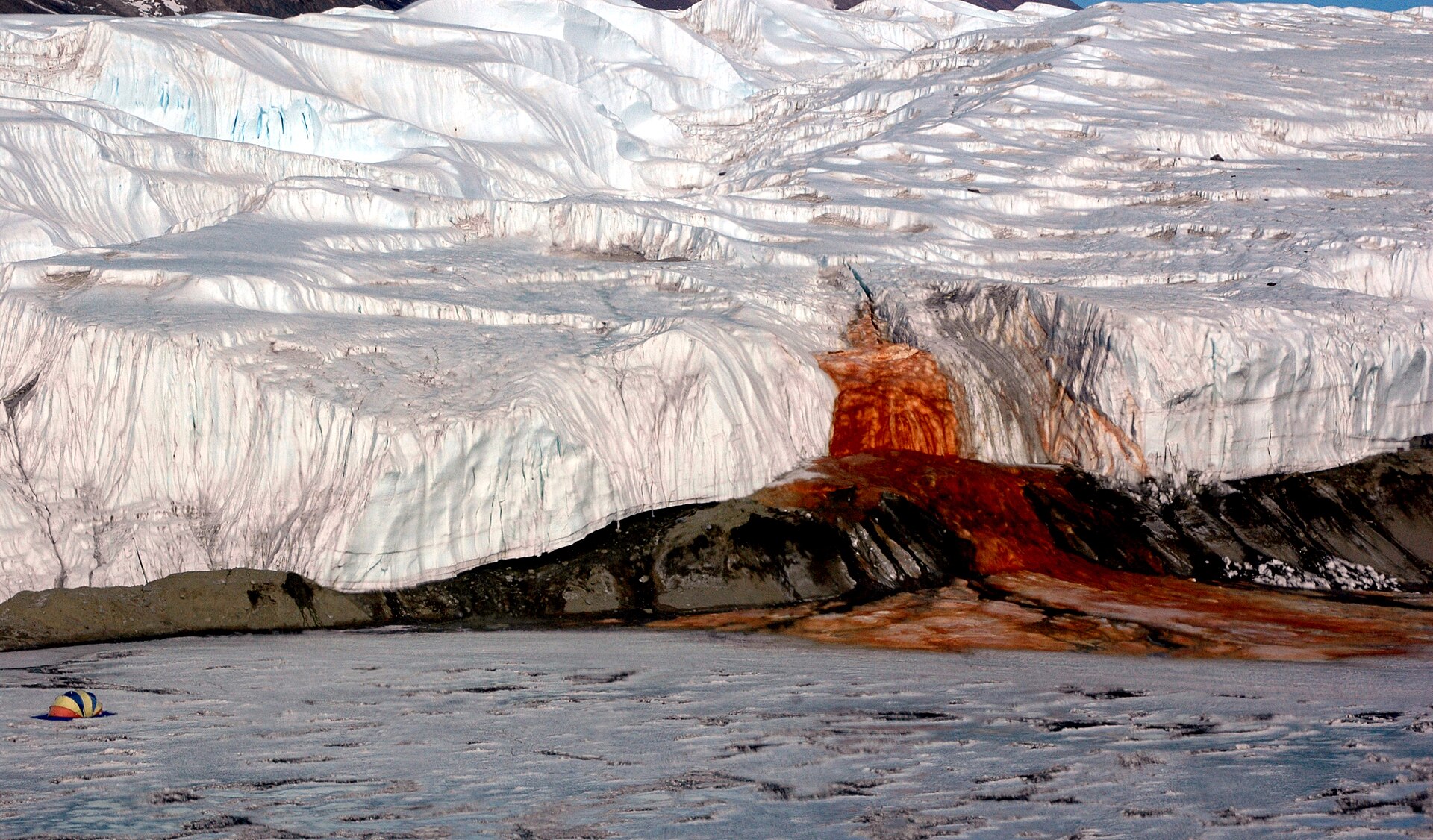
Blood Falls is an iron-rich brine outflow on Taylor Glacier in Antarctica. It looks like blood; chemistry says iron oxides. Not paranormal.
Location and access
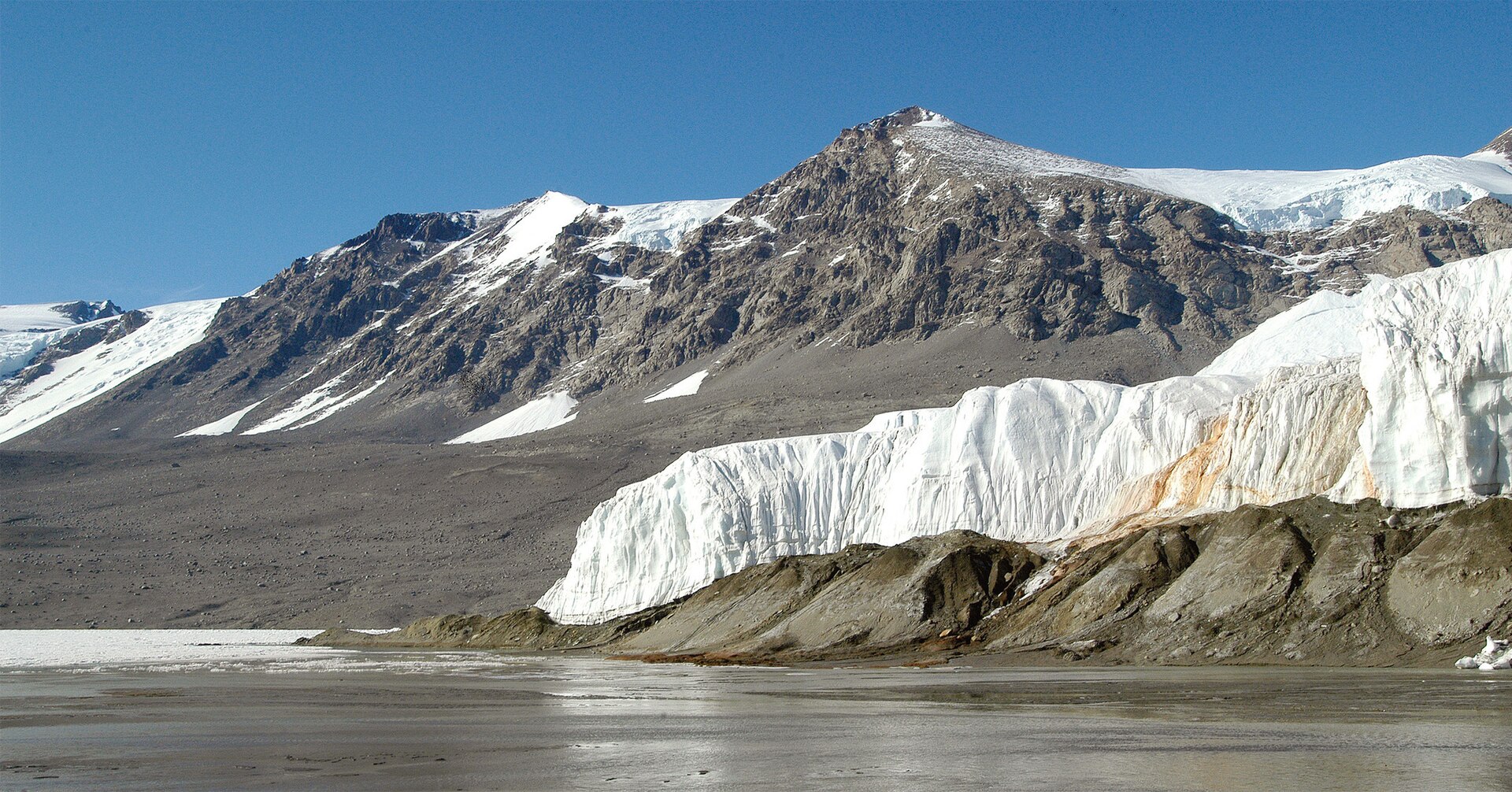
Taylor Valley, McMurdo Dry Valleys (approx. 77.72° S, 162.27° E). Research-only logistics; not a walk-up tourist site.
History and legend
History: Noted in the Griffith Taylor exploration era (1911 naming tradition) and studied for decades as dry-valley hydrology and microbiology.
Legend: Viral “blood waterfall” posts sometimes imply mystery fluid; they skip the published geochemistry.
Evidence and mainstream view
Evidence level: A. Consensus: natural iron-oxide–stained brine.
| Claim | Mainstream view |
|---|---|
| Literal blood / omen | Iron oxides in brine |
| Science ignores it | Extensively studied |
| Viral mystery videos trump papers | Aesthetic ≠ evidence |
Timeline
- 1911 — Early explorers note the red outflow.
- 1960s–2000s — Dry Valleys research programs expand.
- 2010s — High-profile brine and microbe studies in the press.
Reports and stories
Attributed accounts cover naming/exploration notice and modern scientific framing with NSF-linked sources.
Related places and beings
Göbekli Tepe, Hessdalen Valley, Eastern State Penitentiary. Cross-category: ʻOumuamua (real tracked anomaly with different claim ecology). Parent hub: natural anomalies.
In popular culture
Nature photography, viral “creepy Antarctica” lists, and documentary B-roll - usually stronger on color than on chemistry.
FAQ
See frontmatter FAQ.
Sources
NSF award materials, Mikucki et al. geomicrobiology PDF, and public-domain NSF photographs on Commons.