MIKE GRAHAM / CC BY 2.0

Eastern State PenitentiaryDraft

ESP · Eastern State Prison
EVIDENCEABCDE
HISTORICAL SITEA · Physically verified or firmly documented

Mainstream consensus: Important historic prison; haunt claims are unverified folklore attached to a real site.

Short answer

Eastern State Penitentiary in Philadelphia is a historic prison famous for its radial cell-block plan, solitary confinement reform ideology, and later ruin aesthetic. Ghost tours market haunt stories there; historians document the architecture and reform history that made the place a landmark of American punishment.

Short answer

Eastern State Penitentiary is a real Philadelphia prison-turned-museum with a famous radial plan. Haunt tourism is entertainment layered on documented history.

Location and access

Fairmount, Philadelphia (approx. 39.9683° N, 75.1727° W). Ticketed historic site; check easternstate.org for hours and events.

History and legend

History: Opened 1829; Pennsylvania solitary system; international architectural influence; closed 1971; preserved as a ruin museum.

Legend: Ghost tours, Halloween haunts, and paranormal TV use the decay aesthetic. Treat those as performance, not primary history.

Evidence and mainstream view

Evidence level: A for the historic site. Haunt claims remain unverified folklore.

ClaimMainstream view
Proven hauntedAnecdote / entertainment
TV = historyUse archives and site historians
Radial plan traps spiritsReform / surveillance design

Timeline

  • 1829 — Opens.
  • 1913 — Solitary system officially evolves away.
  • 1971 — Closes as a prison.
  • 1990s–present — Museum tours and haunt tourism.

Reports and stories

Attributed accounts separate reform-era history from later haunt-media overlays.

Göbekli Tepe, Hessdalen Valley, Blood Falls. Cross-category: Mothman (another high-curiosity lore brand with a real place ecology). Parent hub: haunted places.

Halloween attractions, ghost-hunting shows, photography blogs of ruin porn.

FAQ

See frontmatter FAQ.

Sources

Start with the historic site’s own history pages and Commons architectural photos.
Site photos

Rights-cleared documentary stills and serious reference images. These are not AI illustrations.

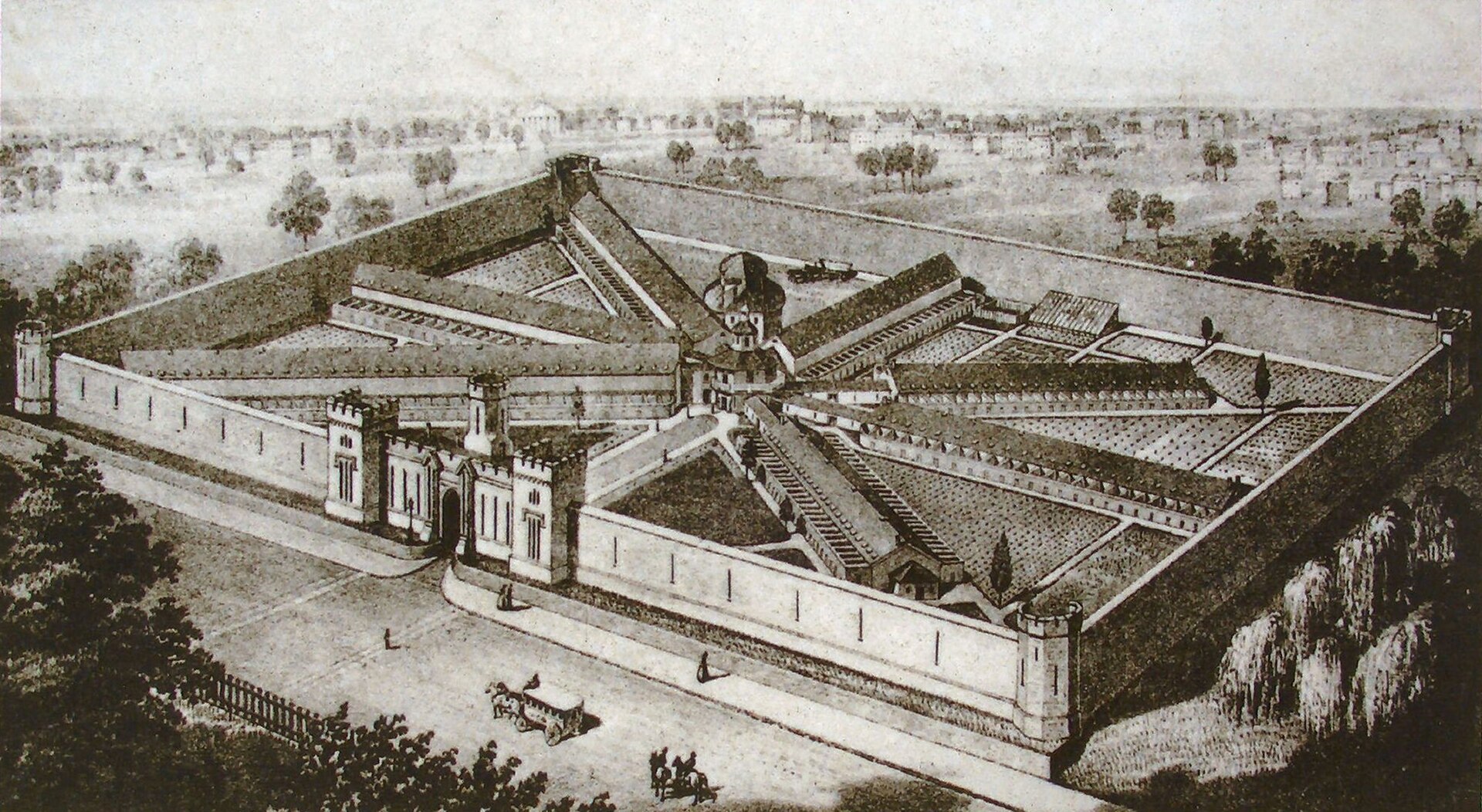
Aerial view of Eastern State Penitentiary’s radial cell-block plan in Philadelphia.
Aerial view of the radial penitentiary planCredit: Mike Graham / CC BY 2.0
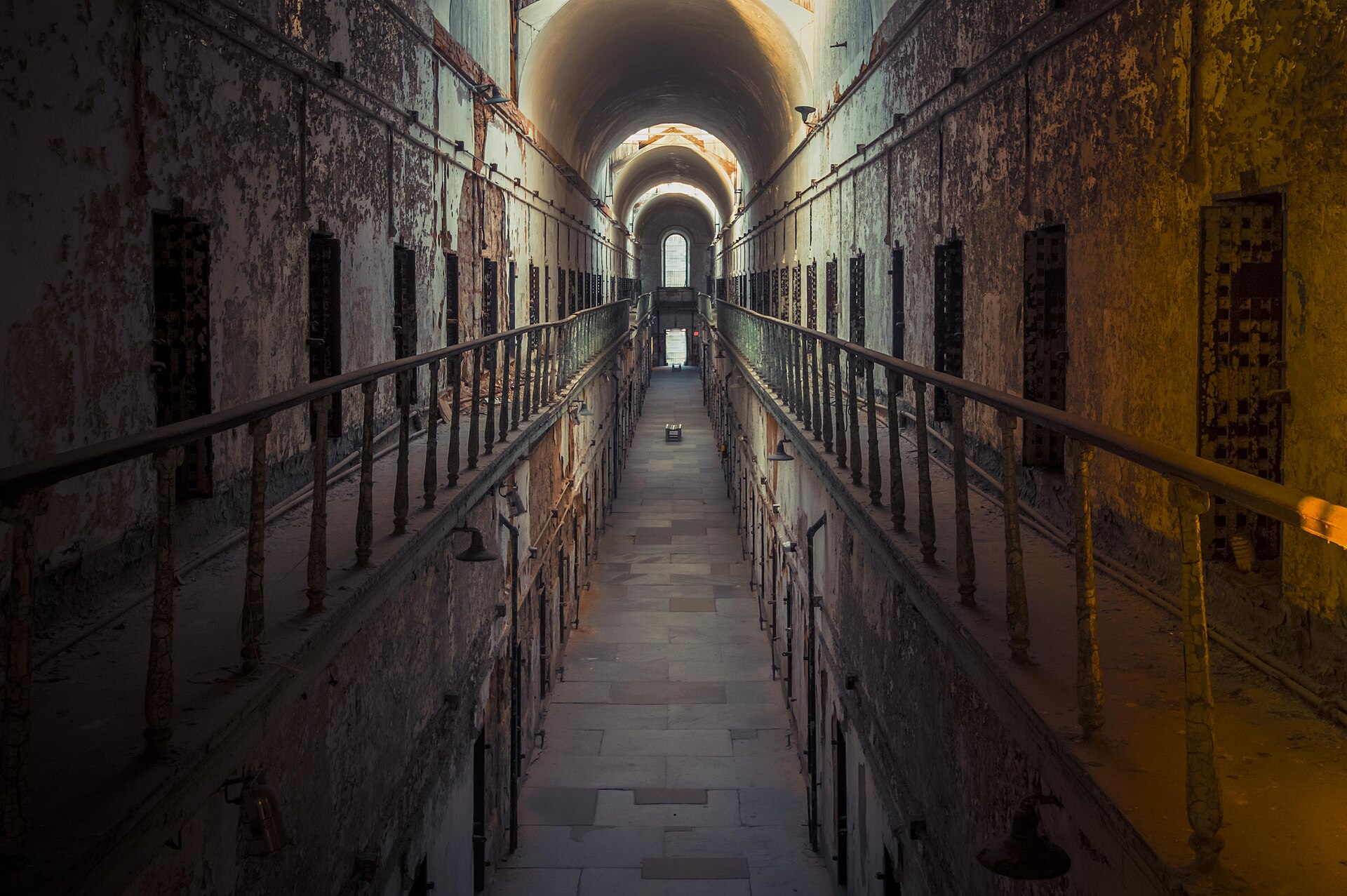
Interior of Cell Block 7 at Eastern State Penitentiary with skylights and decay.
Cell Block 7 - ruin aesthetic that fuels haunt tourismCredit: Thomas (Flickr) / CC BY-SA 2.0
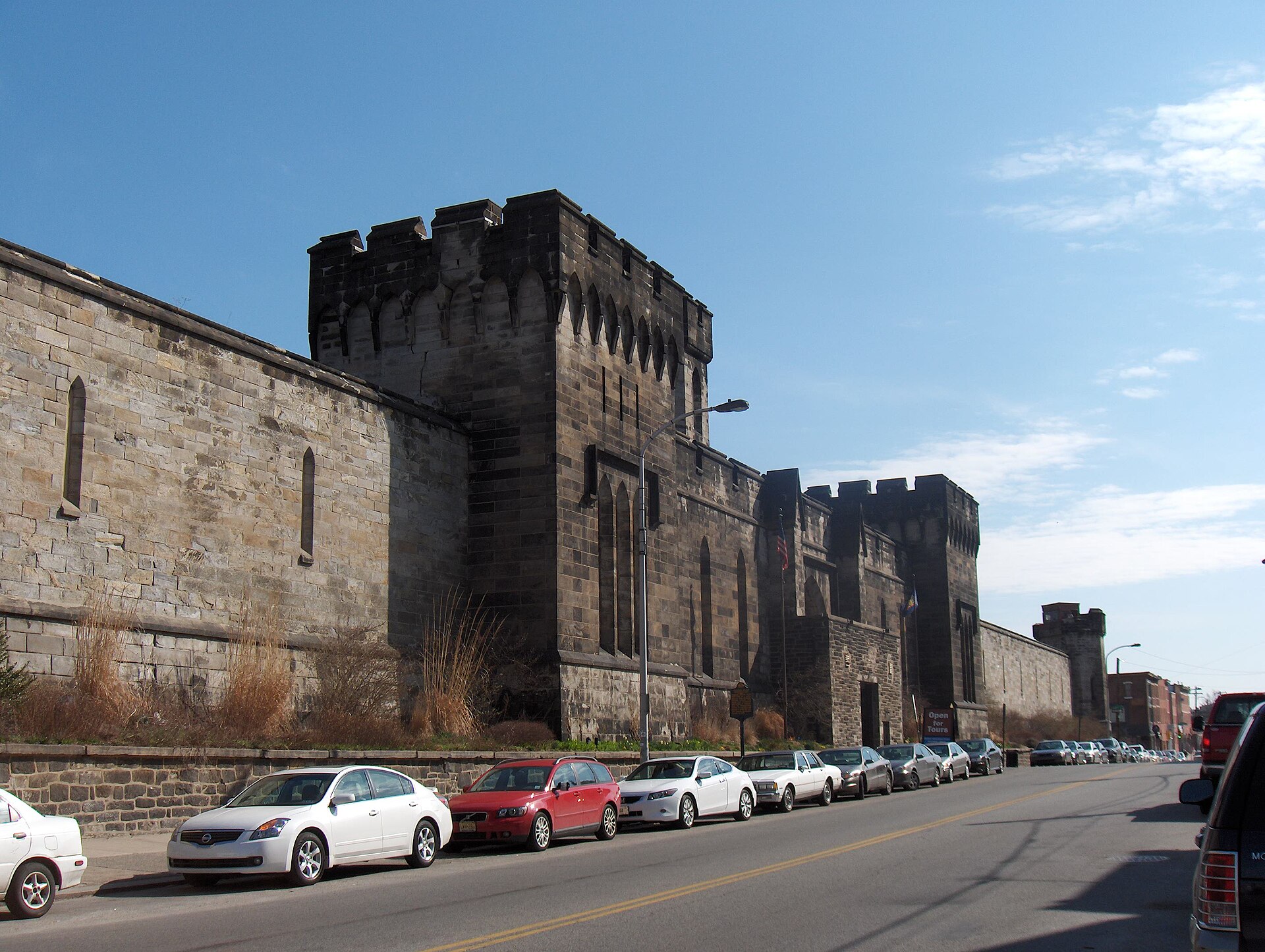
Corridor and facade interior view at Eastern State Penitentiary.
Corridor light and stone - historic architecture, not “ghost proof”Credit: Davidt8 / public domain

Visiting

map · 39.9683, -75.1727

Operates as a historic site / museum with daytime tours and seasonal night events (including Halloween programming). Buy tickets and check accessibility notes on the official site before visiting.

Legend vs history: Prison architecture, Quaker-influenced reform ideals, famous inmates, and closure (1971) are historical facts. Ghost stories, EVP claims, and haunted-attraction marketing are entertainment and anecdote layered onto the ruin.

Reports and stories

Attributed reports, haunt claims, and discovery narratives from named sources. Links open the originals; AnomalyWiki does not verify these claims.

Claims vs mainstream

The claim

The prison is proven haunted by scientific standards.

Mainstream view

Haunt evidence remains anecdotal; historians document buildings and policy, not ghosts.

The claim

Paranormal TV episodes are primary historical sources.

Mainstream view

Prefer archival records and the historic site’s own history materials.

The claim

Radial design exists to trap spirits.

Mainstream view

The plan implemented surveillance and solitary reform ideology, not occult architecture.

Timeline

  1. 1829Eastern State Penitentiary opens in Philadelphia with a radial cell-block plan.Source: Eastern State Penitentiary Historic Site
  2. 1913Official abandonment of pure solitary confinement as original system evolves.Source: Historic site interpretive histories
  3. 1971Prison closes; site later becomes a preserved ruin and museum.Source: Eastern State Penitentiary Historic Site
  4. 1990s–presentPublic tours expand; Halloween “Terror Behind the Walls” and ghost tourism rise.Source: Historic site programming; popular media

FAQ

Is Eastern State haunted?

Haunt claims are anecdotal entertainment. The site’s documented history is architectural and carceral, not paranormal proof.

Can I visit?

Yes - it operates as a historic site with tickets, tours, and seasonal events.

Why the radial design?

Nineteenth-century reform ideology and surveillance of solitary confinement - not spirit trapping.

When did it close?

The prison closed in 1971 and later reopened as a preserved historic site.

Why is evidence grade A?

Grade A applies to the real historic prison; haunt stories are folklore layered on top.