Overview
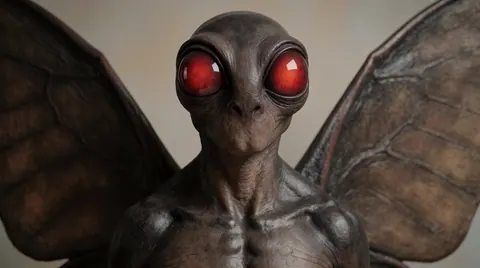
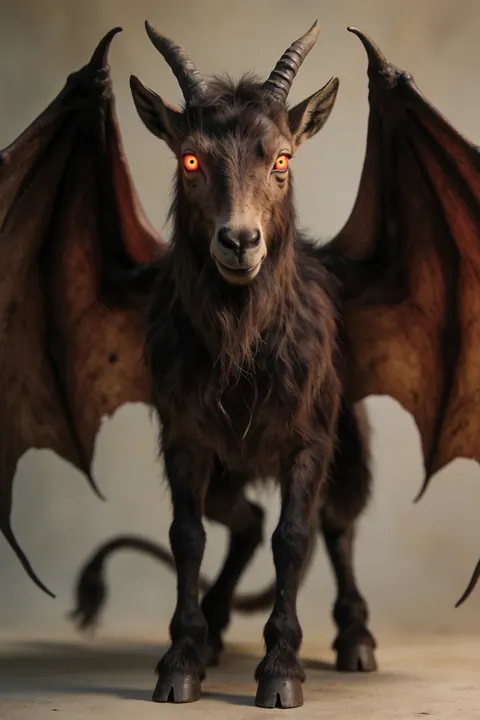
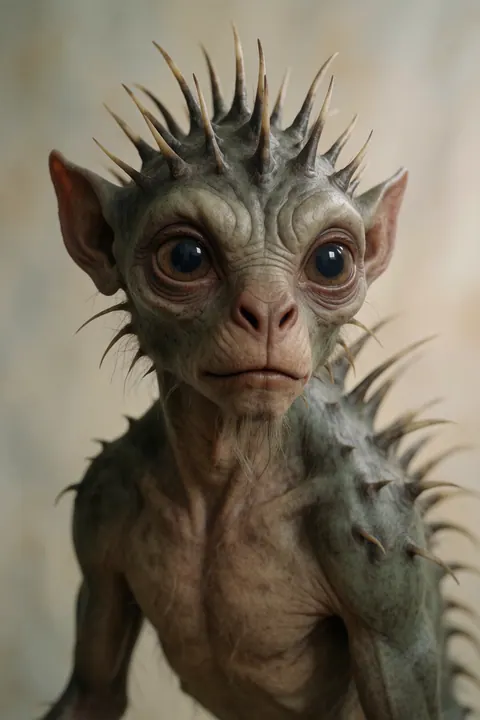
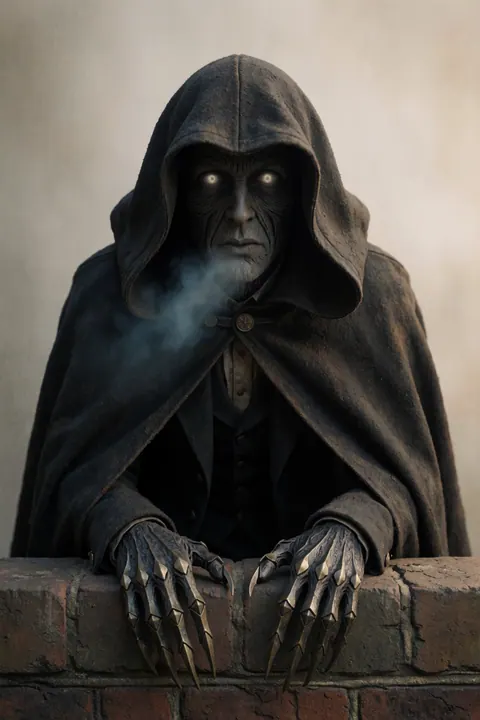
Every region seems to grow its own monster. In November 1966, young couples near Point Pleasant, West Virginia, told police about a tall gray figure with glowing red eyes in the old TNT area - and Mothman was born. In January 1909, hoofprints across South Jersey snow sent the Jersey Devil back into the headlines. In 1995, Puerto Rican farmers found goats drained of blood and gave the world the Chupacabra.
Bernard Heuvelmans and Ivan T. Sanderson branded the hunt for such animals as cryptozoology in the mid twentieth century. Mainstream biology answers with one stubborn demand: show me the body. When geneticists tested hair said to come from yetis and other "anomalous primates" in 2014, the samples matched known animals such as bears.
That has not stopped the reports - and the patterns behind them are a story of their own.
Where cryptids live
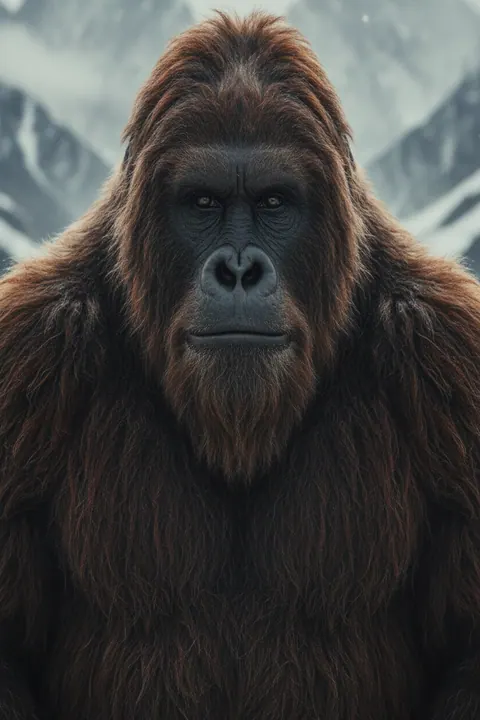
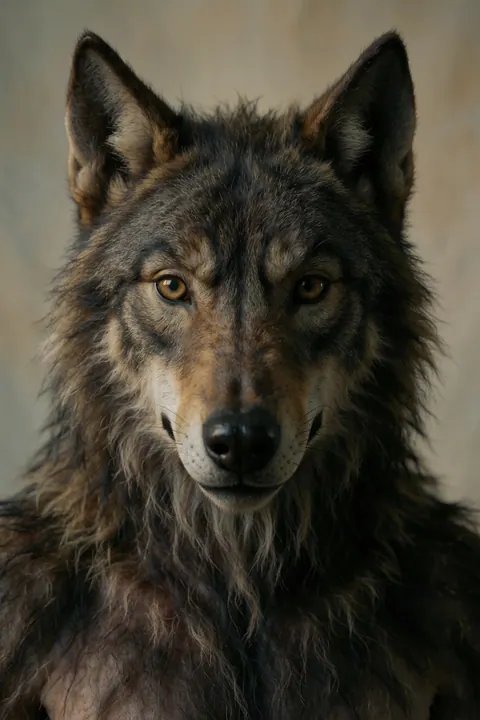
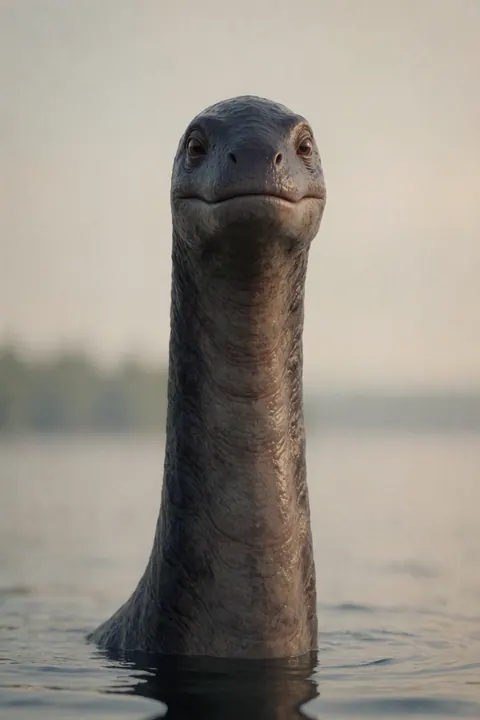
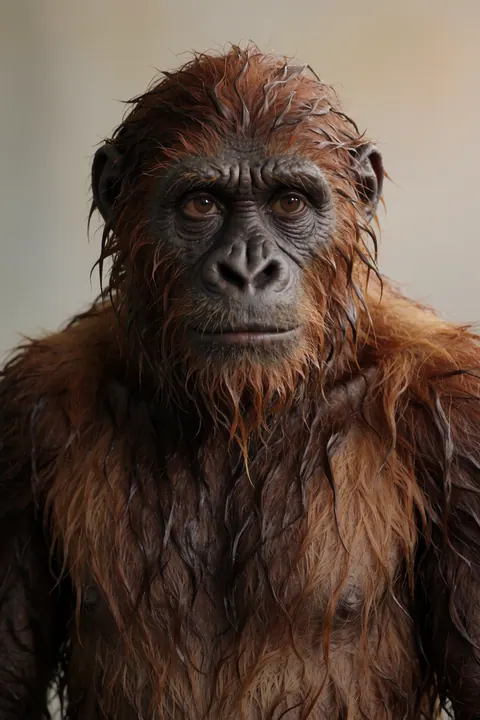
Cryptids cluster where wild country meets small towns. Lake monsters such as Champ haunt big, deep, cold water where logs, sturgeon, and wind-driven waves can rise and vanish. Ape-like walkers such as the Skunk Ape and the Yeti roam swamps and snowfields where bears leave confusing tracks. Bipedal canids such as Dogman prowl the backroads of the Great Lakes, where deer hunters and night drivers trade stories.
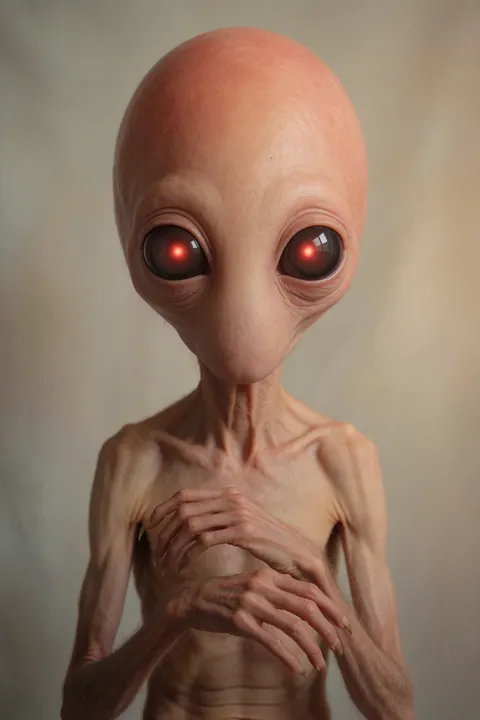
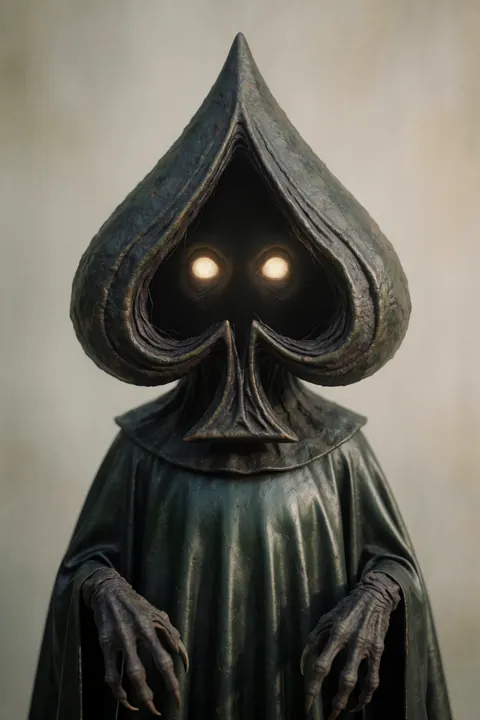
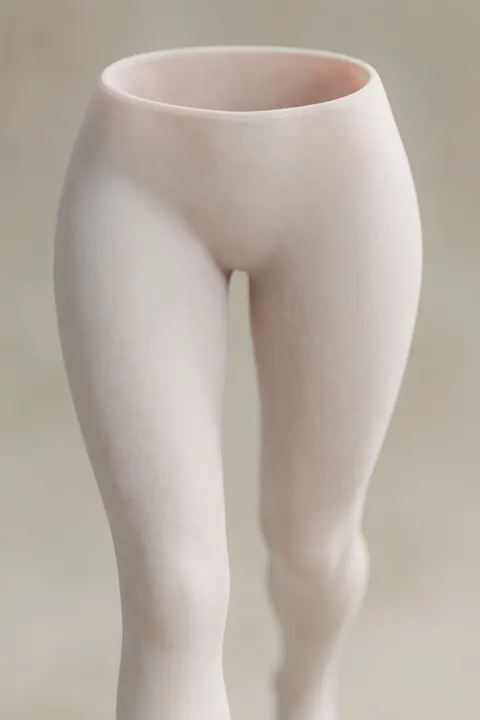
Then there are the one-night wonders: the hissing, spade-headed giant of the Flatwoods Monster scare in 1952, the melon-headed Dover Demon of 1977, and the pale walking legs of the Fresno Nightcrawler caught on a security camera in 2007.
How a sighting becomes a legend
The pattern repeats across two centuries. A strange encounter makes the local paper, more witnesses come forward within days, and a catchy name sticks. Victorian penny papers did it for Spring-heeled Jack in the 1830s; a Michigan radio DJ's 1987 April Fools' song did it for Dogman.
Skeptics see that pattern as the explanation: expectation shapes perception, and a named monster gives every rustle in the dark a face. Enthusiasts see it differently - as proof that ordinary people keep meeting something the textbooks have not caught up with.
| Cryptid | Where | First big flap | Usual mainstream explanation |
|---|---|---|---|
| Mothman | Point Pleasant, West Virginia | 1966-67 | Sandhill crane or owl, plus media echo |
| Jersey Devil | New Jersey Pine Barrens | 1909 newspaper panic | Colonial legend, hoaxes, misread tracks |
| Chupacabra | Puerto Rico, then the Americas | 1995 | Predators; mangy coyotes in later US cases |
| Champ | Lake Champlain | 1977 Mansi photo | Sturgeon, logs, waves |
| Yeti | Himalaya | 1951 Shipton footprints | Bears and melted tracks |
| Flatwoods Monster | Flatwoods, West Virginia | 12 September 1952 | Meteor plus a barn owl |
Related hubs
FAQ
What is a cryptid? A cryptid is a creature whose existence is claimed or rumored but not established by mainstream zoology - known from sightings, footprints, blurry photos, and local legend rather than a body.
Are cryptids real animals? None has an authenticated specimen. When famous yeti and bigfoot hairs were DNA-tested in 2014, they matched known animals such as bears; most sightings fit misidentified wildlife, hoaxes, or folklore.
How does Mothman differ from the Jersey Devil? Mothman centers on a short 1966-67 Point Pleasant newspaper flap later tied to the Silver Bridge collapse; the Jersey Devil is a longer Pine Barrens tradition with colonial roots and a 1909 panic.
Which US states have the most cryptid lore? Wherever forests, lakes, and swamps meet small towns. West Virginia has Mothman and the Flatwoods Monster, Florida the Skunk Ape, and Ohio a whole cast from the Loveland Frogman to Lake Erie's Bessie.
Why do cryptid sightings come in waves? One vivid newspaper story primes readers to interpret odd shapes and sounds the same way. Mothman, the chupacabra, and Dogman all spread fastest right after their first headlines or broadcasts.
Sources
- Michael Shermer, “Do Mythic Creatures Exist? Show Me the Body,” Scientific American - https://www.scientificamerican.com/article/show-me-the-body-mythic-creatures/
- Sykes et al., “Genetic analysis of hair samples attributed to yeti, bigfoot and other anomalous primates,” Proceedings of the Royal Society B - https://royalsocietypublishing.org/doi/10.1098/rspb.2014.0161
- “List of cryptids,” Wikipedia - https://en.wikipedia.org/wiki/List_of_cryptids