Overview
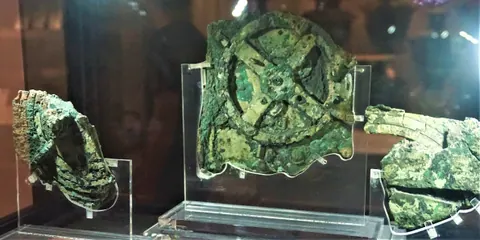
Sponge divers working off the Greek island of Antikythera in 1900 hauled up corroded bronze lumps that turned out to hold a geared astronomical calculator more than two thousand years old. The Antikythera Mechanism set the pattern for every "out-of-place artifact" since: a genuine object, a gap in what people expected the past to manage, and a rush of stories to fill it.
Some of those stories collapse quickly. Others are real documents whose promises simply never paid out. The fun is in knowing which is which.
Real objects, wild readings
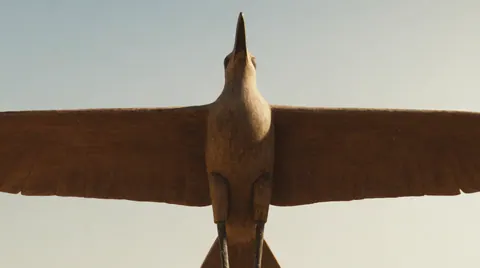
Many famous mystery artifacts sit in museum cases with catalog numbers. The Saqqara Bird, found near Saqqara in 1898 and dated around 200 BCE, is a small sycamore-wood falcon in Cairo; aviation enthusiasts call it a glider, while wind tests and Egyptologists point to a toy, weather vane, or ritual figure. Colombia's Quimbaya Artifacts are gold pendants of birds, fish, and insects in Bogotá's Museo del Oro - "ancient airplanes" only if you squint past the animal heads.
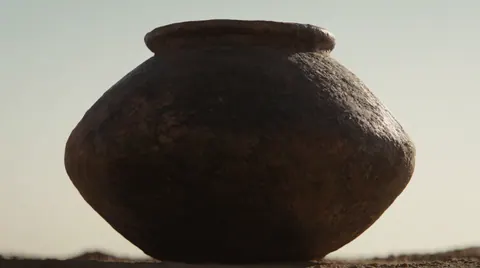
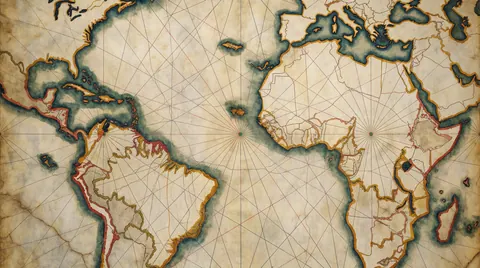
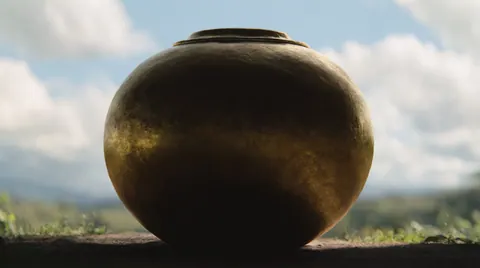
The Baghdad Battery, publicized by Wilhelm König in 1938, pairs a clay jar with a copper cylinder and an iron rod. Replicas can make a feeble current, but there are no wires or plated objects to go with it. The Piri Reis Map of 1513 is a genuine Ottoman chart, compiled partly from Columbus-era sources; its supposed ice-free Antarctica carries South American placenames.
Texts, treasure, and invention
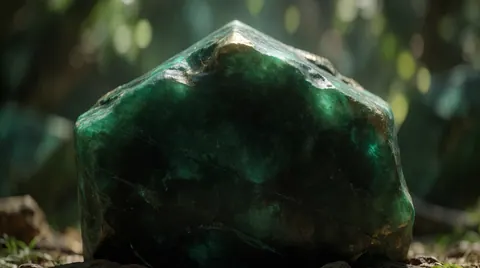
The Copper Scroll, found in Qumran's Cave 3 in 1952, really does list dozens of hidden caches of gold and silver - and treasure hunters have yet to match a single one. The Emerald Tablet is famous as a glowing green slab, but what survives is a short Hermetic text in Arabic and Latin manuscripts that inspired generations of alchemists.
The Dropa Stones show how a legend can be built from nothing. The tale of Tibetan discs recording a crashed spacecraft traces to the 1978 book Sungods in Exile, whose author later admitted in Fortean Times that he had invented it, down to its supposed source.
Shapes in the sky and under the sea
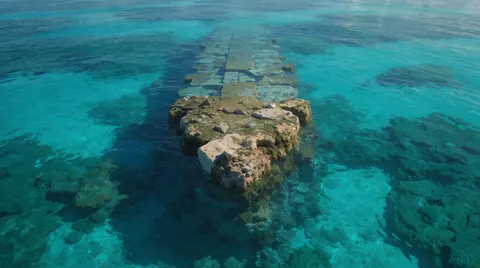
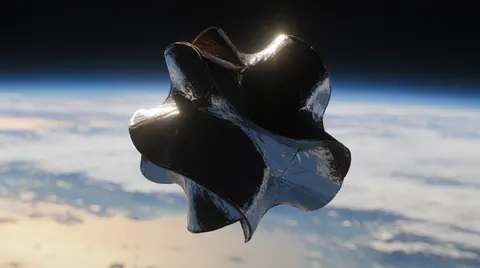
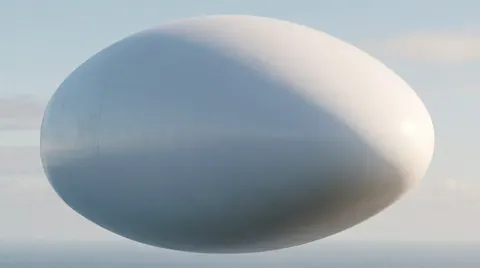
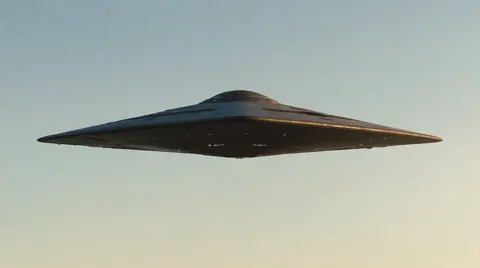
Modern mystery objects often exist only as photos or sensor frames. The Tic Tac UFO is a white, wingless capsule described by Navy aircrew from the USS Nimitz group in 2004. The TR-3B is its mirror image: a supposed secret triangle craft with lots of drawings and no airframe. The Black Knight Satellite became famous through 1998 shuttle photos of a dark tumbling shape - a thermal blanket lost during the STS-88 mission. Off the Bahamas, the Bimini Road looks like a paved Atlantis causeway, but geologists read naturally fractured beachrock only a few thousand years old.
Related hubs
FAQ
What is an out-of-place artifact? An object said to show knowledge or technology its era should not have had. Most turn out to be misdated, misread, or invented; a few, like the Antikythera mechanism, are genuinely astonishing but still human-made.
Was the Baghdad Battery really a battery? Replicas can produce a tiny current, but no wires, plated objects, or texts support ancient electroplating. Similar jars look like sealed containers for scrolls.
Does the Piri Reis map show Antarctica? No. Its southern coastline carries South American placenames copied from earlier charts, not an ice-free polar continent.
Do cursed objects prove supernatural harm? Misfortune stories are folklore. The solid part of most files is the material, the ownership chain, and how the curse tale first entered print.
Sources
- Historic Royal Palaces, the Crown Jewels - https://www.hrp.org.uk/tower-of-london/whats-on/the-crown-jewels/
- British Museum collection search - https://www.britishmuseum.org/collection
- Smithsonian Institution - https://www.si.edu/