JOYOFMUSEUMS / CC BY-SA 4.0; OBJECT NAM ATHENS

Antikythera MechanismDraft

Antikythera Mechanism · Antikythera astronomical calculator
EVIDENCEABCDE
ARCHAEOLOGICALA · Physically verified or firmly documented

Mainstream consensus: Authentic ancient mechanism demonstrating sophisticated Greek astronomy and engineering.

Short answer

The Antikythera mechanism is an ancient Greek bronze geared device recovered from a shipwreck and widely read as an astronomical calculator. Its precision still sparks wonder - including fringe talk of lost high tech - while specialists place it firmly in Hellenistic scientific craftsmanship.

Mainstream view

An authentic Hellenistic geared device that modeled astronomical cycles (including lunar and calendar functions). Complexity is extraordinary for surviving ancient machinery, yet consistent with Greek mathematical astronomy and craft tradition.

Alternative claim

Too advanced for its era - implying lost high technology, modern intrusion, or non-human origin.

Short answer

The Antikythera mechanism is a real ancient Greek geared device from a shipwreck, widely interpreted as an astronomical calculator. It is not a medieval fake. Fringe claims sometimes call it impossible lost tech; specialists place it in Hellenistic scientific craftsmanship.

What it is

Entry class: archaeological artifact (often miscategorized as an OOPArt in popular lists). Findspot: Antikythera wreck, Greece. Museum home: National Archaeological Museum, Athens. Consensus dating: late Hellenistic manufacture (roughly late 2nd–early 1st century BCE in many estimates). Claimed dating: occasionally mythologized as far older or non-human.

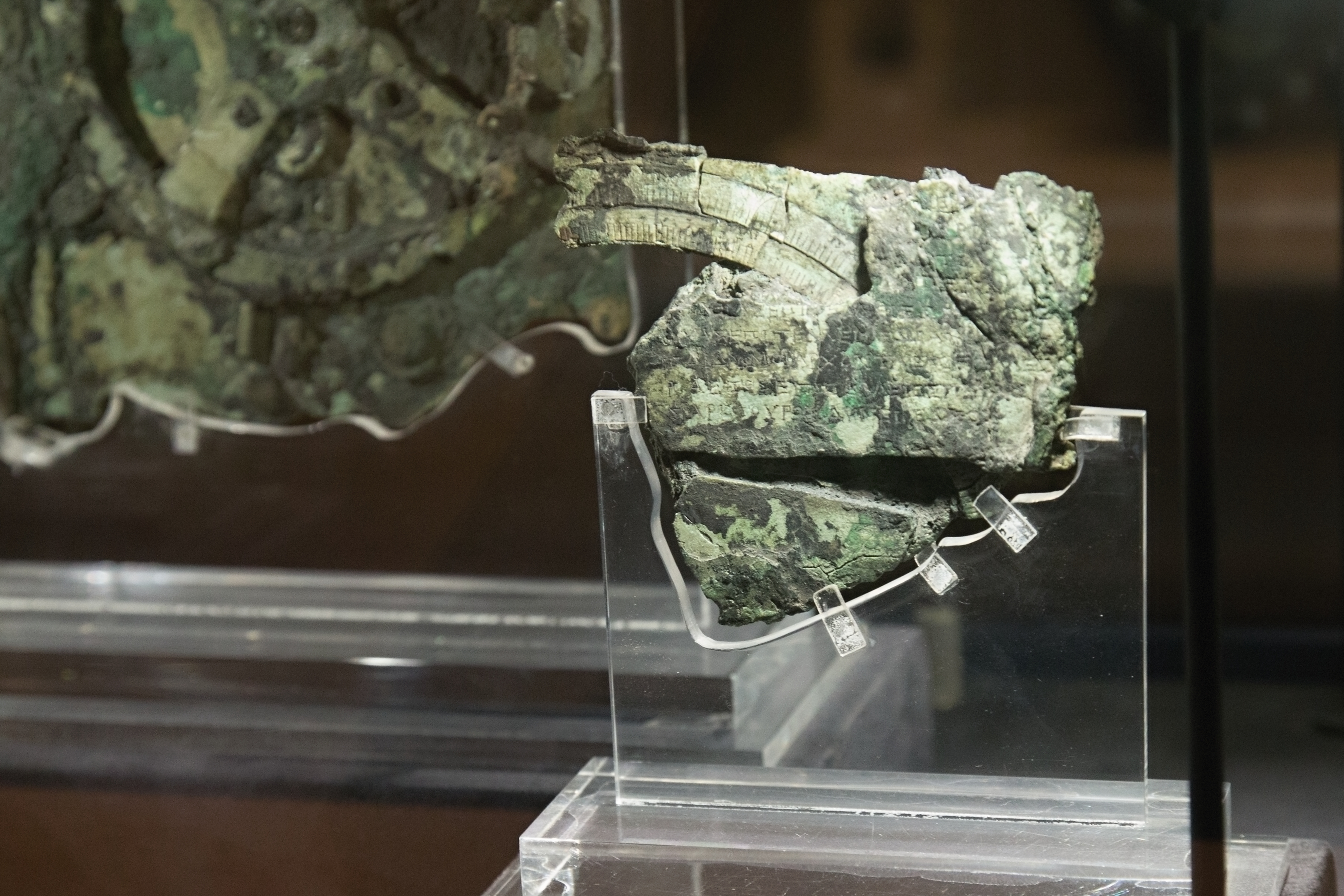
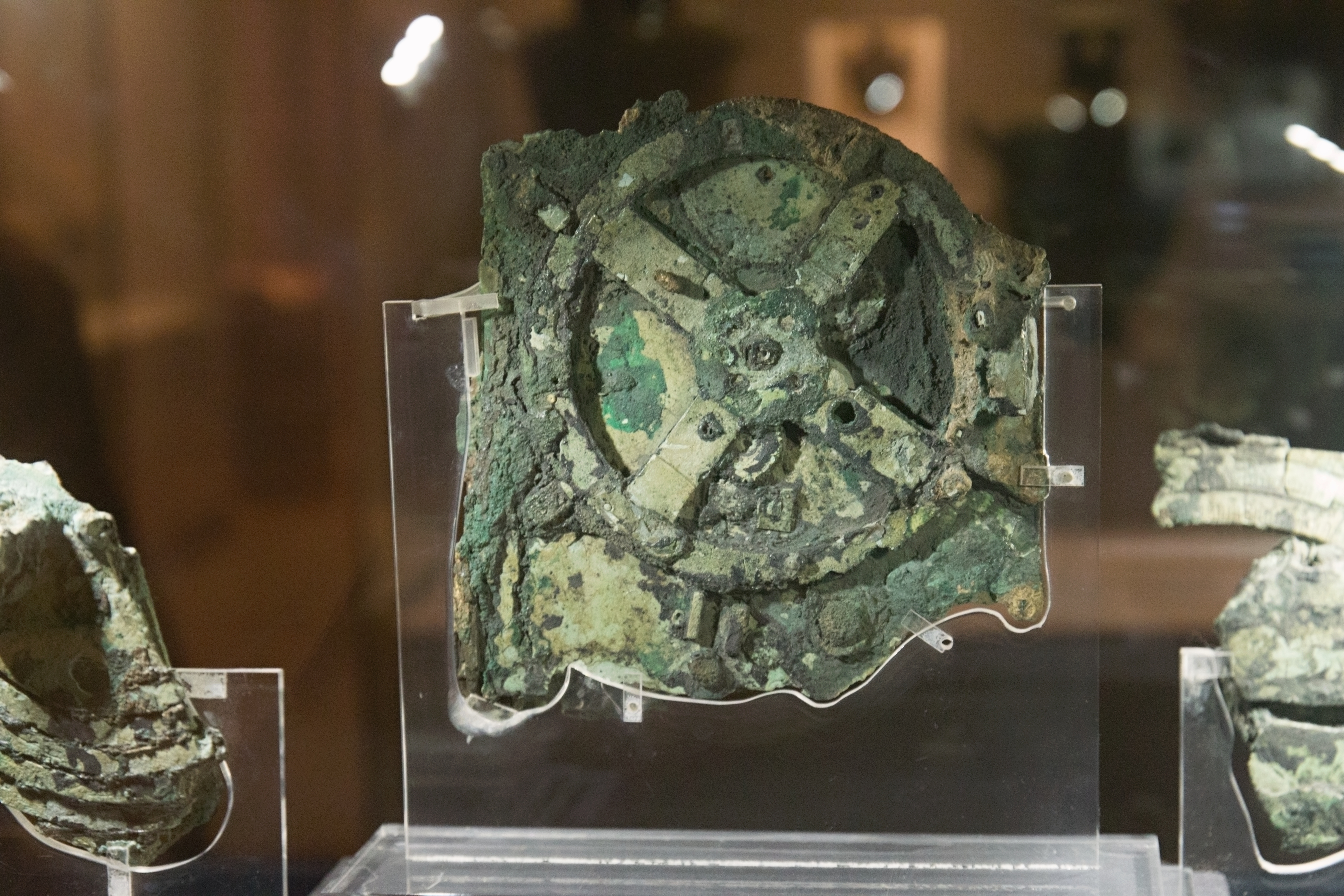
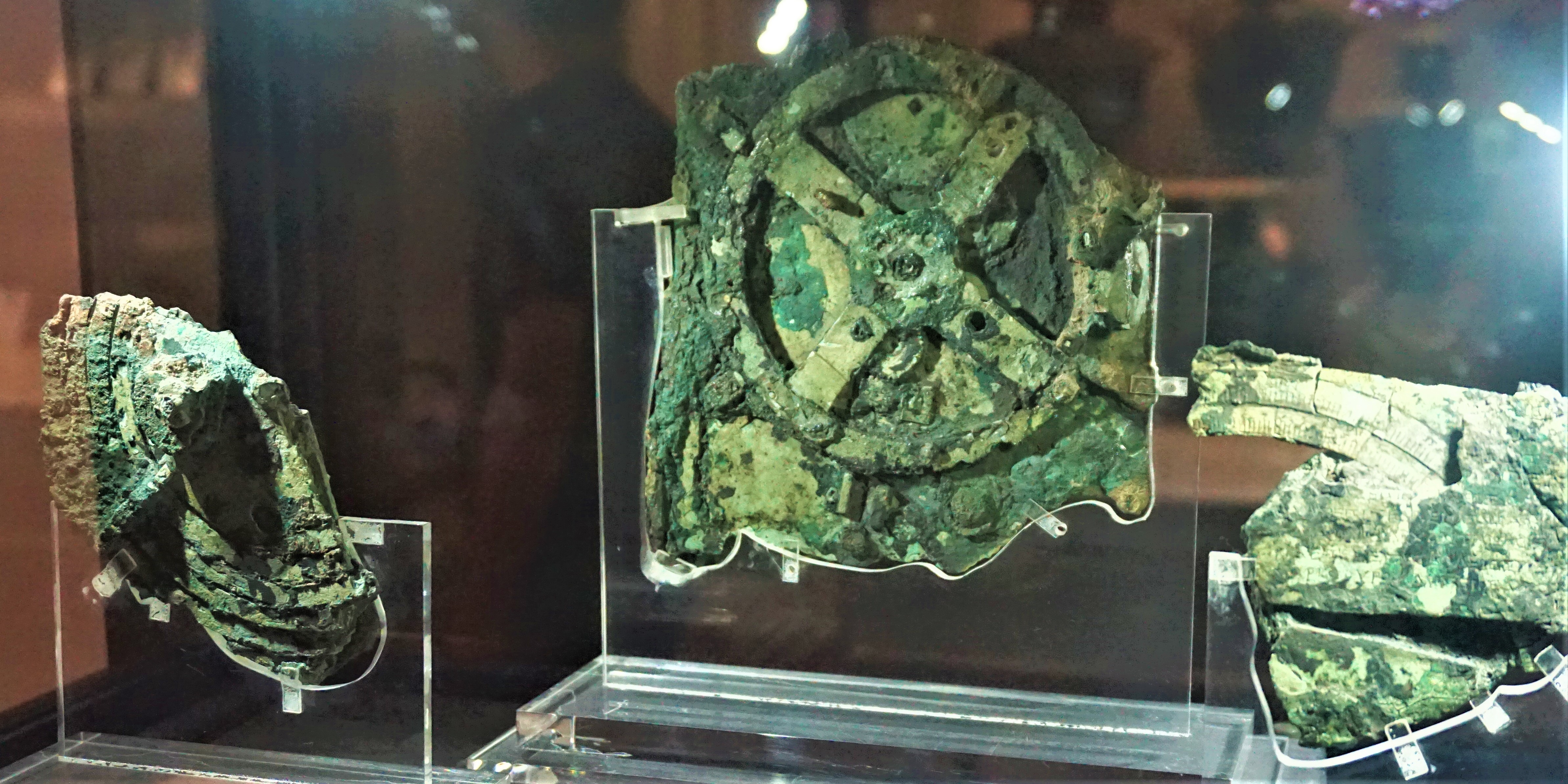
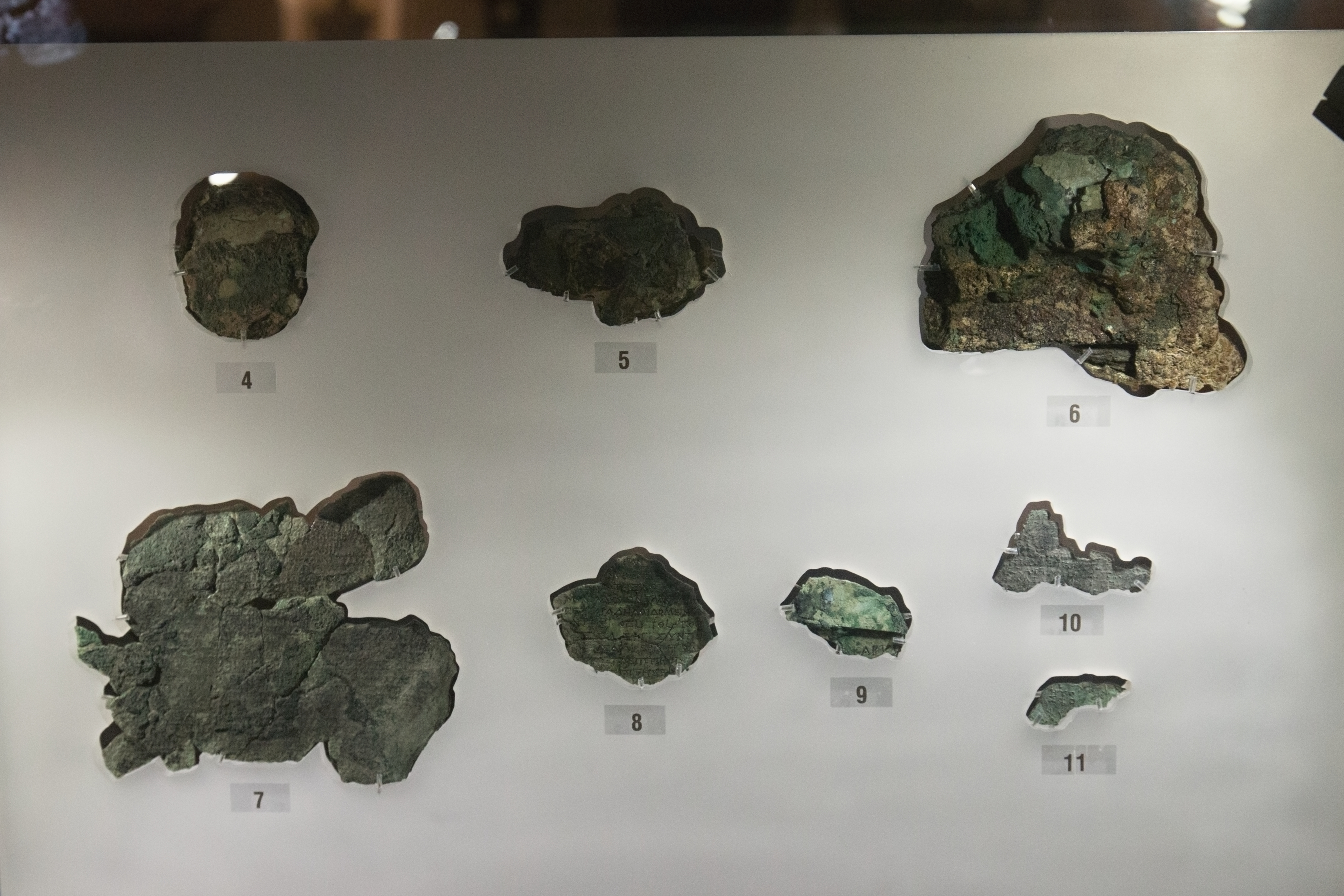
Surviving fragments preserve bronze gear trains and inscriptions. Modern tomography and surface imaging underpin published models of calendar and astronomical displays. PreferRealAsset museum photography on this page shows the real corroded fragments - not speculative “lost tech” CGI.

Mainstream view vs alternative claims

Mainstream research reconstructs calendar, lunar, eclipse, and related displays from gears and inscriptions. Alternative media casts the device as proof of aliens or a forgotten super-science.

ClaimMainstream view
Too advanced for GreeksComplex but consistent with Hellenistic astronomy and craft
Alien / impossible techNo non-human evidence; Greek scientific tradition
Function unknownCore functions modeled in peer-reviewed reconstructions
Modern fakeFind context, corrosion, and inscriptions support antiquity

Evidence rating

Evidence level: A. Mainstream consensus: authentic ancient mechanism demonstrating sophisticated Greek astronomy and engineering.

Rarity of survival does not equal impossibility. The device is extraordinary among known ancient machines, yet its scientific context is Hellenistic.

Timeline

  • 1900–1901 — Wreck discovery and recovery of mechanism fragments.
  • 1902–1903 — Early recognition of gearwheels in museum study.
  • 1974 — Price’s Gears from the Greeks popularizes the “ancient computer” frame.
  • 2006 — Freeth et al. Nature tomography-based reconstruction.
  • 2008 onward — Refined dial and planetary models from AMRP work.

Key debates and stories

Attributed cards cover wreck recovery, Price’s popularization, the 2006 Nature reconstruction, and OOPArt media framing. Prefer Nature/AMRP and museum sources over sensational lists.

Peers include other OOPArt-adjacent objects and undeciphered texts. Cross-category: Göbekli Tepe for another archaeology-vs-fringe conversation.

Museum blockbuster status, ancient-tech documentaries, and recurring “out-of-place artifact” listicles that skip the Hellenistic science context.

FAQ

Is the Antikythera mechanism real? Yes - a recovered ancient Greek bronze geared device from the Antikythera shipwreck.

Was it an ancient computer? Specialists call it a mechanical astronomical calculator, not an electronic computer.

Is it too advanced for its time? Exceptionally complex among survivors, but reconstructions place it within Hellenistic astronomy and craft.

Does it prove aliens or lost high technology? No. Published models explain functions with Greek science.

When was it made? Often cited around the late 2nd to early 1st century BCE; estimates vary with letter forms and wreck context.

Where can I see it? National Archaeological Museum, Athens; research imaging via the Antikythera Mechanism Research Project.

Sources

Nature (2006), AMRP, and the National Archaeological Museum pages are linked in the Sources panel.
Documentary photos

Rights-cleared documentary stills and serious reference images. These are not AI illustrations.

Antikythera mechanism fragments in a display case at the National Archaeological Museum, Athens.
Museum display of Antikythera mechanism fragments (NAM Athens)Credit: Joyofmuseums / CC BY-SA 4.0; object NAM Athens
Close view of a major corroded bronze Antikythera mechanism fragment showing gear traces.
Major mechanism fragment (NAM inventory campaign photography)Credit: Zde / CC BY-SA 4.0; object NAM Athens
Detail of Antikythera mechanism bronze fragment with visible gear teeth and corrosion.
Fragment detail with gear teethCredit: Zde / CC BY-SA 4.0; object NAM Athens
Side view of Antikythera mechanism fragment showing layered bronze plates and corrosion.
Side / layered view of a mechanism fragmentCredit: Zde / CC BY-SA 4.0; object NAM Athens

Key debates and stories

Attributed discovery narratives, debates, and claim histories from named sources. Links open the originals; AnomalyWiki does not verify these claims.

Claims vs mainstream

The claim

The device is too advanced for ancient Greeks.

Mainstream view

Complex, but consistent with Hellenistic astronomy (including Hipparchos-era lunar theory in published reconstructions) and known Greek mechanical craft.

The claim

It proves ancient astronaut intervention or impossible lost tech.

Mainstream view

No evidence of non-human origin. Gearwork and inscriptions fit Greek scientific culture.

The claim

Modern researchers cannot explain its function.

Mainstream view

Core astronomical functions are widely modeled and published (Nature 2006 and later Antikythera Mechanism Research Project work).

The claim

It must be a modern or medieval fake planted in the wreck.

Mainstream view

Find context, corrosion, inscriptions, and materials studies support an ancient origin; authenticity challenges have been addressed in specialist literature.

Timeline

  1. 1900–1901Sponge divers discover the Antikythera wreck; mechanism fragments recovered to Athens.Source: National Archaeological Museum exhibition histories; wreck archaeology summaries
  2. 1902–1903Early photographs and museum study begin to reveal gearwheels in the corroded fragments.Source: Early museum photography (e.g. Svoronos-era plates); AMRP histories
  3. 1970s–1980sDerek de Solla Price’s analyses popularize the mechanism as an ancient astronomical computer.Source: Price, Gears from the Greeks (1974) and related papers
  4. 2005–2006Antikythera Mechanism Research Project imaging and X-ray tomography enable major reconstructions; Freeth et al. publish in Nature (2006). Source: Freeth et al., Nature 444 (2006)
  5. 2008–2010sFurther papers refine calendar, eclipse, and planetary display models.Source: Freeth, Jones, Steele, Bitsakis and related AMRP publications

FAQ

Is the Antikythera mechanism real?

Yes. It is a recovered ancient Greek bronze geared device from the Antikythera shipwreck, studied in the National Archaeological Museum and by international teams.

Was it an ancient computer?

Specialists describe it as a mechanical astronomical calculator - gearwork that modeled calendars and celestial cycles - not an electronic computer.

Is it too advanced for its time?

It is exceptionally complex among surviving ancient machines, but reconstructions place it within Hellenistic mathematical astronomy and craftsmanship.

Does it prove aliens or lost high technology?

No. Fringe OOPArt claims exaggerate rarity into non-human origin. Published models explain functions with Greek science.

When was it made?

Letter forms and wreck context point broadly to the late Hellenistic period (often cited around the late 2nd to early 1st century BCE); exact year estimates vary.

Where can I see it?

Fragments are held and exhibited by the National Archaeological Museum in Athens; research imaging is also published by the Antikythera Mechanism Research Project.