Overview
The Dyatlov Pass incident is the February 1959 death of nine Soviet hikers on the northern Ural slope of Kholat Syakhl. What turned a mountain tragedy into a lasting mystery was not a missing body count - searchers found everyone - but the scene: a tent cut open from inside, tracks leading downhill in socks or bare feet, and injuries that looked too violent for a simple fall yet too clean for a brawl.
Lead investigator Lev Ivanov closed the criminal file that May with an unnamed "compelling natural force." The restricted Soviet case file, odd forensic details, and decades of silence left room for military-test rumors, cryptid talk, and infrasound panic theories. Russia's 2020 Prosecutor General conclusion and a 2021 peer-reviewed snow-mechanics paper both favor a delayed slab avalanche followed by hypothermia in near-zero visibility.
What happened
In late January 1959, ten experienced skiers and mountaineers from the Ural Polytechnic Institute left Sverdlovsk (now Yekaterinburg) under student leader Igor Dyatlov, aiming for remote Gora Otorten. Yuri Yudin turned back early with illness, leaving nine - seven men and two women - on a midwinter ski trek of roughly 190 miles.
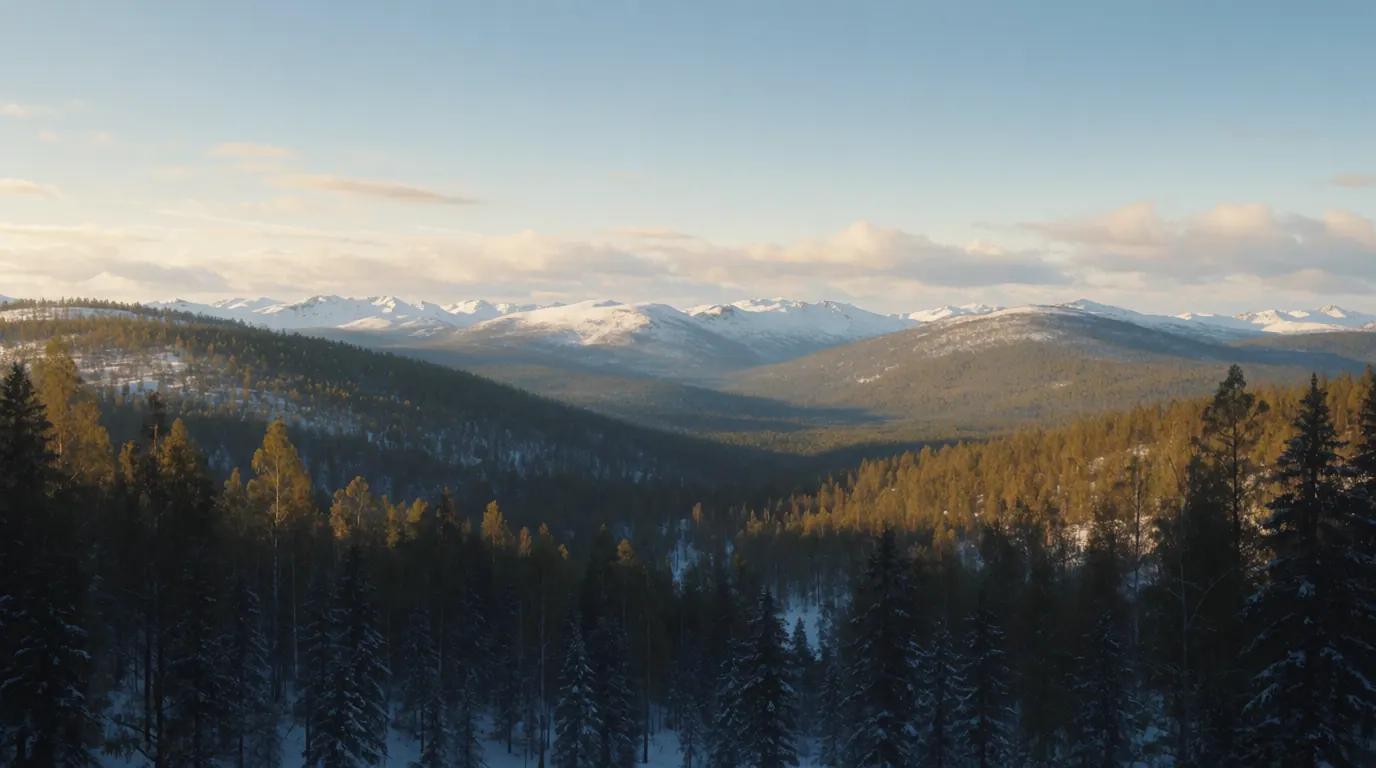
On 1 February the group pitched its tent on the slope of a 1,079-meter rise local Mansi people call Kholat Syakhl, "Dead Mountain." Sometime that night they fled. Investigators later found the tent slashed from the inside, with footprints - some bare, some in socks - leading more than a kilometer downhill toward the tree line, with no sign anyone had dressed properly first.
When the group missed its planned return telegram, relatives forced a search. On 26 February a party found the abandoned tent; over the following days they recovered five bodies near a cedar and along the route back toward camp, apparently dead of hypothermia. On 4 May searchers found the remaining four in a ravine under four meters of snow. Two had major chest fractures, one a fractured skull, yet no matching surface wounds; one body was missing eyes and tongue after months in running water.
Ivanov's May 1959 closure named no culprit. The combination of a shredded tent, half-dressed bodies, crushing internal injuries, and a closed file fed six decades of speculation before prosecutors and snow scientists revisited the slope between 2019 and 2021.
Why the debate still runs
A 2020 Russian government re-examination concluded an avalanche forced the hikers out; in blizzard whiteout they could not find the tent again and died of cold. Johan Gaume and Alexander Puzrin's 2021 Communications Earth & Environment model shows how a cut made to pitch the tent, plus wind-loaded snow, could release a small delayed slab hours later - enough to cause severe chest and skull trauma without classic avalanche debris. Follow-up fieldwork in 2022 documented real slab avalanches on nearby slopes under similar winter conditions.
Popular alternatives still circulate: Donnie Eichar's infrasound-panic reading in Dead Mountain, and military mishap or creature-attack stories that have never produced case-file evidence. For readers comparing historical disappearances with solid paper trails but long afterlives, see Flight 19, Amelia Earhart, Mary Celeste, and Roanoke Colony. Fringe retellings sometimes borrow a Yeti-style attacker; nothing in the investigation supports that.
Related phenomena
- Flight 19 - a 1945 U.S. Navy training flight lost over the Atlantic
- Amelia Earhart - the 1937 Pacific flight that ended in radio silence
- D.B. Cooper - a 1971 skyjacker who parachuted into the night and was never identified
- Roanoke Colony - England's 1587 Virginia settlement found abandoned in 1590
- Mary Celeste - an 1872 merchant ship found sailing with no one aboard
- Tunguska event - an 1908 Siberian airburst investigated with the same mix of physics and folklore